
 Ana Megawati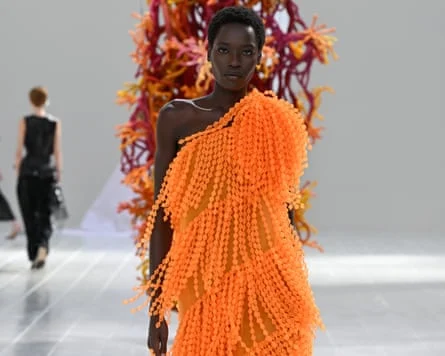
The intersection of haute couture heritage and contemporary commercial pressures took center stage on Thursday as designer Pierpaolo Piccioli presented his latest collection for Balenciaga during Paris Fashion Week. Describing the showcase as the most personal presentation of his career in the French capital, Piccioli sought to reaffirm the foundational craftsmanship of the storied fashion house. However, the event occurred against a backdrop of declining sales and industry speculation regarding the creative direction of the brand, placing the designer under intense scrutiny from luxury market analysts and company executives alike.
A Return to Atelier Craftsmanship
At the heart of the runway presentation was a monumental, fabric-crafted sculpture of undersea coral, a direct nod to Piccioli’s signature coral necklace and a visual anchor for the collection. The design philosophy on display bridged maximalist grandeur with minimalist precision—a dual aesthetic that historically defined the house’s founder, Cristóbal Balenciaga.
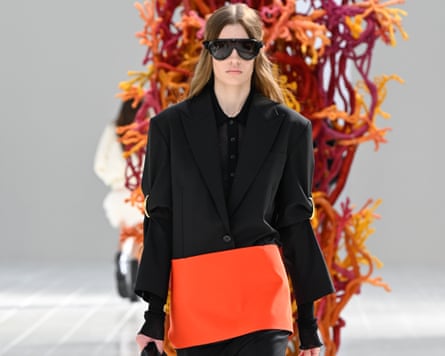
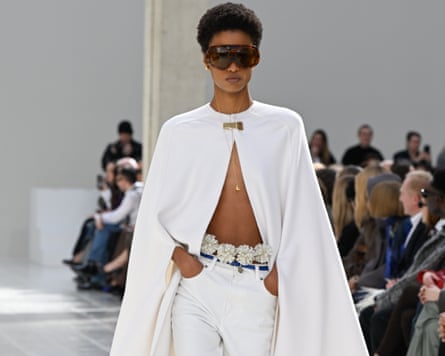
Piccioli demonstrated this balance through a series of striking silhouettes. The runway featured a floor-length ivory cape secured solely by a minimalist gold clasp, a razor-tailored black suit punctuated by a bold slash of tangerine at the jacket hem, and an architectural gown completely covered from neck to ankle in delicate bubbles of organza.

"I like surfaces to be either entirely embellished or super clean," Piccioli stated backstage, emphasizing his focus on the emotional resonance of apparel. "How you feel in your clothes is much more important than how you look in them."
This philosophy represents a calculated pivot from the shock-tactics and dystopian streetwear that characterized the tenure of his predecessor, Demna. While Demna’s high-end apocalypse-cosplay hoodies and viral runway stunts deeply polarized critics, they successfully captured a younger, internet-driven demographic. Piccioli, by contrast, relies on the tactile dignity of the couture atelier, aiming to evoke "joy and light" through garments designed to accentuate classic elegance.
Chronology and Transition: A Year of Divergent Directions
The journey leading to Thursday’s presentation has been marked by rapid shifts in identity for the Balenciaga brand.
- May 2025: Pierpaolo Piccioli is officially named creative director of Balenciaga, succeeding Demna in a move that signals a sudden aesthetic realignment for the Kering-owned luxury house.
- March 2026: In an effort to reconnect with a younger audience drifting away from the brand, Balenciaga launches an unexpected collaboration with the hit teen drama television series Euphoria, attempting to bridge traditional couture techniques with contemporary pop culture.
- June 2026: Mid-year financial reports indicate cooling sales across the luxury sector, with Balenciaga’s menswear division—previously a vital revenue driver—experiencing notable contractions.
- October 2026: Piccioli debuts his Spring/Summer collection at Paris Fashion Week, introducing high-craft updates to everyday garments, such as white shirts with dramatic peplum hems and denim featuring molded hourglass waistlines.
Market Pressures and Financial Context
Piccioli’s efforts to realign Balenciaga arrive during a challenging period for the global luxury goods market. Following years of post-pandemic surging demand, major luxury conglomerates have faced a cooling consumer base, particularly in key Asian markets and among aspirational shoppers. Industry reports indicate that foot traffic and sales figures for several mid-to-high-tier labels have plateaued or declined.
For Balenciaga, the cooling market has directly impacted menswear and accessible accessories, segments that historically subsidized the labor-intensive couture operations. The financial softening has fueled industry rumors regarding Piccioli’s long-term future with the label. While executive changes following a tenure of just over a year are historically rare in major fashion houses, the current economic climate has shortened the patience of luxury investors, who demand immediate profitability and sustained revenue growth.
Furthermore, the brand’s strategic balancing act—attempting to retain its lucrative streetwear and sneaker clientele while elevating its ready-to-wear and couture profile—has created a complex marketing challenge. Analysts note that while the house’s heritage purists welcome Piccioli’s return to traditional tailoring and technical excellence, alienating the digital-native consumer base risks forfeiting substantial market share in high-volume categories.
Democratizing Couture Basics
Recognizing the necessity to engage consumers who may not be in the market for six-figure ballgowns, Piccioli utilized the recent Paris showcase to apply couture techniques to everyday wardrobe staples. By reinterpreting familiar items—infusing standard denim with a meticulously molded hourglass waist and adding architectural volume to classic cotton shirts—the designer sought to find common ground between high art and commercial viability.
"I like shirts, I like jeans—I like the dignity of them," Piccioli remarked following the show. "This job is about creating desirability in something familiar, by presenting it in a different way."
Broader Implications for the Luxury Sector
The reception of Piccioli’s latest collection serves as a bellwether for a broader identity crisis currently affecting legacy fashion houses. As corporate parents balance artistic vision against the realities of a slowing macroeconomic landscape, creative directors are increasingly forced to navigate the tension between heritage preservation and commercial performance.
For Balenciaga, the stakes extend far beyond a single seasonal presentation. The brand must prove that its pivot toward refined, atelier-driven elegance can generate the robust financial returns previously delivered by avant-garde streetwear. Whether Piccioli’s personal vision and craftsmanship will satisfy both the brand’s financial stakeholders and its diverse global clientele remains one of the most closely watched storylines in contemporary fashion.









