Nila Kartika Wati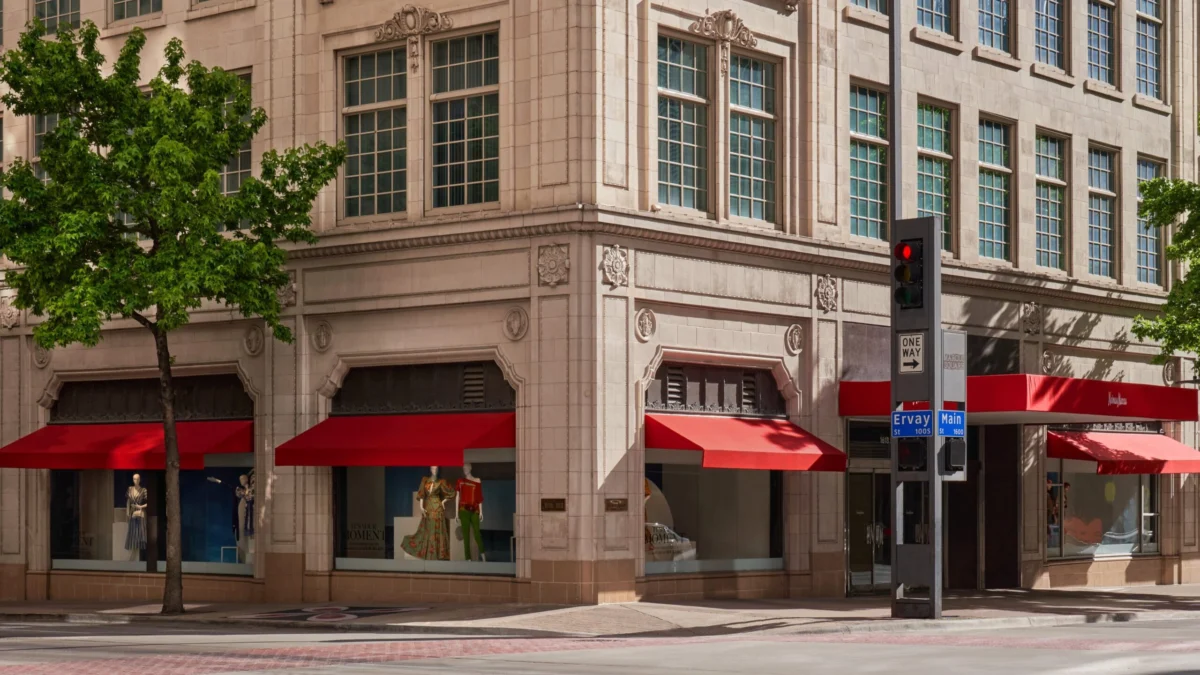
The iconic Neiman Marcus flagship store in downtown Dallas, a venerable institution that has stood for over a century, is slated for closure. This significant retail landmark is among the latest casualties of Saks Global’s ongoing Chapter 11 restructuring, signaling a profound shift in the luxury retail landscape. The decision, confirmed by Saks Global on Tuesday, marks the end of an era for a store that has not only served as a retail destination but also as a cultural touchstone for generations of Dallas residents and visitors. The closure underscores the mounting pressures faced by traditional brick-and-mortar department stores in an increasingly digital and rapidly evolving consumer market.
A Century of Retail Excellence Faces the Digital Tide
The downtown Dallas Neiman Marcus, which first opened its doors in 1907, represents one of the last remaining department stores of its kind from that historical period. Its storied past is intrinsically linked to the growth and development of Dallas itself. Founded by Carrie Marcus, her brother Herbert Marcus, and their friend A.L. Neiman, the store was built on a foundation of exceptional customer service, curated merchandise, and an unwavering commitment to luxury. The original vision was to create a shopping experience that was both elegant and accessible, offering high-quality apparel and accessories that were not readily available elsewhere. Over the decades, the flagship evolved, expanding its footprint and its offerings, but always maintaining its core identity as a purveyor of fine goods and a beacon of retail sophistication.
The current financial difficulties faced by Neiman Marcus, and by extension Saks Global, are not isolated incidents but rather symptomatic of broader industry trends. The rise of e-commerce has fundamentally altered how consumers shop, with online retailers offering convenience, vast selection, and competitive pricing. Department stores, historically reliant on foot traffic and physical store experiences, have struggled to adapt at the same pace. This has been exacerbated by changing consumer preferences, with a growing demand for personalized experiences, sustainable practices, and a more direct connection with brands. The COVID-19 pandemic further accelerated these shifts, leading to temporary store closures, supply chain disruptions, and a significant acceleration in online sales.
The Path to Restructuring and Closure
The announcement of the Neiman Marcus flagship’s closure comes after a period of significant financial strain for the company. Saks Global, the parent company, filed for Chapter 11 bankruptcy protection in May 2020, a move aimed at restructuring its debt and operations to ensure long-term viability. The Chapter 11 process allows companies to reorganize their debts and operations while continuing to operate, with the goal of emerging as a healthier business. However, this process often involves painful decisions, including the closure of underperforming stores and the streamlining of operational overhead.
The downtown Dallas flagship, despite its historical significance and brand recognition, has faced increasing operational costs and declining sales in recent years. While specific financial data for the flagship store has not been publicly disclosed by Saks Global, the broader context of the company’s financial performance points to a need for strategic divestments and cost reductions. The decision to close a store of such prominence is indicative of the severity of the challenges.
Timeline of Key Events Leading to the Closure:
- 1907: The Neiman Marcus flagship store opens its doors in downtown Dallas, marking the beginning of a retail legacy.
- Early 2000s – 2010s: Neiman Marcus, like many traditional department stores, begins to face increasing competition from online retailers and shifts in consumer shopping habits.
- May 2020: Saks Global, the parent company of Neiman Marcus, files for Chapter 11 bankruptcy protection, initiating a comprehensive restructuring process.
- Throughout 2020-2024 (Inferred Period): As part of the restructuring, Saks Global evaluates the performance and strategic importance of its various retail locations. This likely involves extensive financial analysis, market assessments, and consideration of lease agreements.
- Present Day (as per article): Saks Global confirms the decision to close the downtown Dallas Neiman Marcus flagship store.
Supporting Data and Industry Trends
The retail industry, particularly the department store sector, has been in a state of flux for years. Data from various industry sources paints a clear picture of the challenges:
- E-commerce Growth: The U.S. Census Bureau reported that e-commerce sales accounted for approximately 16.4% of total retail sales in the first quarter of 2024, a figure that has steadily increased over the past decade. This shift directly impacts brick-and-mortar sales.
- Department Store Closures: Numerous reports from retail analytics firms have documented a significant number of department store closures across the United States in recent years. Many legacy department store chains have undergone substantial downsizing or have ceased operations entirely. For instance, between 2016 and 2019, over 1,500 department stores closed in the U.S., according to Coresight Research.
- Luxury Market Resilience (with caveats): While the luxury market has shown some resilience compared to other retail segments, even high-end retailers are not immune to economic downturns and changing consumer behaviors. The demand for luxury goods has shifted, with a greater emphasis on experiential retail, personalization, and direct-to-consumer channels for many brands.
The downtown Dallas Neiman Marcus flagship, while historically a strong performer, has likely seen its profitability impacted by these overarching trends. The cost of maintaining a large, historic downtown property, coupled with declining foot traffic and sales, would have presented a significant financial burden.
Official Responses and Inferred Reactions
Saks Global’s confirmation of the closure, while brief, underscores the operational realities driving the decision. "We can confirm that the downtown Dallas Neiman Marcus flagship store will be closing," a spokesperson for Saks Global stated. The company has not provided further details regarding the exact closing date or severance packages for employees.
While direct quotes from affected employees or local officials are not available in the provided text, it is reasonable to infer that this news will elicit significant reactions:
- Employees: The closure will undoubtedly lead to job losses for the store’s employees. This is a significant concern for retail workers who have dedicated years, if not decades, to the company.
- Local Community: The downtown Dallas community, including other businesses and residents, will likely express disappointment and concern. The Neiman Marcus flagship has been a landmark and a contributor to the downtown area’s vibrancy.
- Consumers: Loyal customers who have cherished the shopping experience at the flagship will feel a sense of loss. The store represented a particular era of retail and a certain standard of service.
Broader Implications for Retail and Dallas
The closure of the Neiman Marcus flagship has several broader implications:
- Symbolic Impact: The closing of such an iconic store serves as a stark reminder of the challenges facing traditional retail. It signifies a potential shift away from the grand, multi-story department store model that once dominated urban centers.
- Economic Impact on Downtown Dallas: The loss of a major anchor store like Neiman Marcus can have a ripple effect on the surrounding downtown business district. It could impact foot traffic for other businesses and the overall appeal of the area as a retail destination. However, it also presents an opportunity for redevelopment and the introduction of new retail concepts.
- Reimagining the Department Store Model: This event further emphasizes the need for department stores to innovate. Future success will likely depend on integrating online and offline experiences seamlessly, offering unique in-store experiences, focusing on curated assortments, and building strong brand communities. The success of newer retail concepts that prioritize personalization and curated selections might offer clues for the future of traditional retail.
- Legacy and Brand Evolution: For Neiman Marcus, the closure of its historic flagship may signal a strategic refocusing on its more modern and potentially more profitable locations, as well as its robust online presence. The brand’s legacy will now need to be preserved and celebrated through its remaining stores and digital channels.
In conclusion, the impending closure of the downtown Dallas Neiman Marcus flagship store is a significant event, marking the end of a storied chapter in retail history. It is a direct consequence of the evolving retail landscape, the pressures of e-commerce, and the strategic decisions made during Saks Global’s Chapter 11 restructuring. While the physical presence of this iconic establishment will be missed, its closure also serves as a critical juncture, prompting reflection on the future of luxury retail and the enduring power of brand legacy in a constantly transforming market. The coming months will reveal the full extent of the store’s closure and the subsequent impact on the Dallas retail scene.