
 Kang Muslim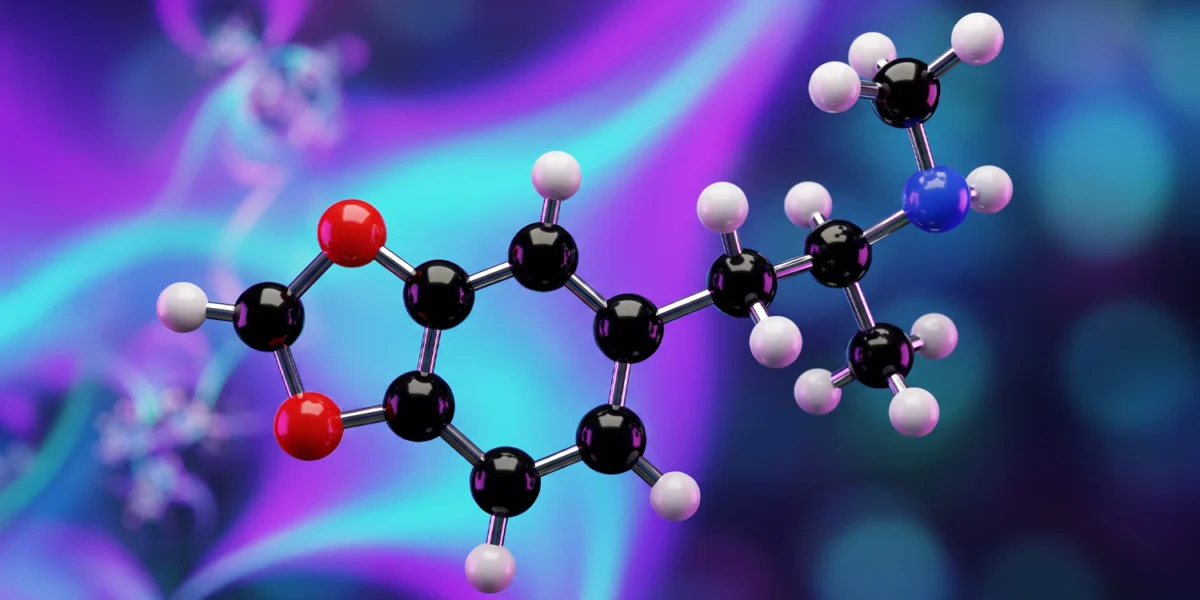
Recent preclinical research published in the peer-reviewed journal Neuropsychopharmacology offers critical insights into the intersection of trauma, genetic vulnerability, and substance use disorders. Conducted by a team of researchers from the Florey Institute of Neuroscience and Mental Health and the University of Melbourne, the study demonstrates that administration of 3,4-methylenedioxymethamphetamine (MDMA) can prevent the escalation of alcohol consumption typically triggered by traumatic stress. However, this protective effect is heavily dependent on underlying genetic predispositions, specifically in subjects innately vulnerable to heavy drinking.
The findings arrive at a time when researchers and clinicians are intensifying investigations into psychedelic-assisted therapies for complex psychiatric conditions, notably post-traumatic stress disorder (PTSD) and co-occurring alcohol use disorder (AUD). While previous studies have hinted at the potential of MDMA to facilitate therapeutic processes, this new animal model sheds light on the nuanced, often disconnected mechanisms governing fear processing and subsequent addictive behaviors.
The Complex Nexus of PTSD and Alcohol Use Disorder
Post-traumatic stress disorder is a debilitating psychiatric condition that frequently develops after an individual experiences or witnesses a catastrophic, terrifying event. Symptoms often include severe anxiety, intrusive memories, hypervigilance, and emotional numbing. Epidemiological data consistently highlight a high rate of comorbidity between PTSD and substance use disorders. Many individuals turn to alcohol or other substances as a form of self-medication to numb emotional distress or suppress intrusive trauma memories.
This self-medication loop quickly becomes mutually reinforcing. Chronic, heavy alcohol consumption profoundly dysregulates the brain’s stress-response systems, heightening baseline anxiety and frequently exacerbating trauma symptoms over time. Traditional therapeutic interventions often rely on "fear extinction"—a psychological and behavioral learning process in which a patient is repeatedly exposed to trauma-related cues in a secure, controlled therapeutic environment. Over time, the brain learns that these cues no longer signal immediate danger, diminishing the emotional and physiological fear response.
In recent years, researchers have looked to pharmacological adjuncts to accelerate this learning process. A foundational 2015 study demonstrated that administering MDMA prior to fear extinction training helped mice process and extinguish conditioned fear more rapidly. Subsequent small-scale human clinical trials, such as an uncontrolled 2021 pilot study, have suggested that MDMA-assisted psychotherapy can be safely administered and holds promise for alleviating symptoms of both treatment-resistant PTSD and severe alcohol use disorder.
Despite these encouraging developments, critical scientific gaps remained. Prior to the new Florey Institute study, it was entirely unknown whether using MDMA to target trauma-related symptoms would successfully blunt subsequent urges to drink in subjects actively displaying both trauma-induced behaviors and a predisposition for addiction. Furthermore, researchers sought to isolate the pure pharmacological effects of MDMA, stripping away human confounding variables such as expectancy, therapeutic setting, and placebo responses.
Experimental Design and Methodology
To closely mirror ongoing clinical trials investigating MDMA for co-occurring PTSD and AUD—such as the MPATHY trials—lead researchers Kade L. Huckstep, Billi Newton, and Leigh C. Walker designed a comprehensive, highly controlled animal experiment.
The study utilized a diverse cohort consisting of 53 Indiana alcohol-preferring (iP) rats—a selectively bred strain known to voluntarily consume high quantities of alcohol—and 64 Wistar rats, which represent a standard outbred control strain. Both male and female subjects were included to account for sex-based differences.
The experimental timeline unfolded across several distinct phases:
- Auditory Fear Conditioning: The subjects underwent an initial conditioning phase where a specific auditory tone was repeatedly paired with a mild, one-second electrical foot shock. This established a robust conditioned fear response, causing the animals to freeze in place upon hearing the tone. A control group experienced the tone without receiving shocks.
- Voluntary Alcohol Access: Following conditioning, all rats were granted intermittent access to a 20 percent alcohol-water solution over a six-week period, allowing them to establish a stable, voluntary drinking habit.
- Abrupt Abstinence: Researchers then removed the alcohol supply entirely for three weeks to simulate a period of forced abstinence or relapse vulnerability.
- MDMA and Extinction Session: At the conclusion of the abstinence period, the animals received a single injection of either MDMA or a control saline solution. Thirty minutes post-injection, they underwent a fear extinction session where the conditioned tone was played repeatedly without any accompanying foot shocks.
- Recall Testing and Post-Treatment Drinking: The following day, the rats underwent a drug-free recall test to evaluate their retention of fear extinction learning. Finally, they were granted free access to alcohol for eight subsequent sessions to measure post-treatment drinking behavior.
To further verify whether the drug’s efficacy depended on prior chronic alcohol history, the research team tested an additional group of 25 alcohol-naive Indiana alcohol-preferring rats. These animals underwent identical conditioning, MDMA administration, and extinction protocols, but proceeded directly to extinction testing the day after conditioning, bypassing the six-week drinking and abstinence regimen.
Divergent Findings: Genetics Dictate Behavioral Outcomes
The results revealed stark contrasts between genetically vulnerable subjects and standard controls, challenging several assumptions regarding how fear reduction correlates with reduced substance intake.
First, the data showed that initial fear conditioning modestly increased subsequent alcohol consumption, but strictly within the genetically vulnerable Indiana alcohol-preferring rats. Conversely, the Wistar rats learned to fear the auditory cue just as intensely, yet this traumatic stress exposure did not drive them to consume higher amounts of alcohol compared to their unshocked counterparts. This indicates that trauma-driven escalation in drinking relies heavily on a pre-existing genetic vulnerability to alcohol preference.
When administered prior to the fear extinction session, MDMA visibly altered the animals’ real-time reactions. The drug immediately reduced freezing behavior during the early stages of the session. However, as the session progressed, strain-specific differences emerged: the Indiana alcohol-preferring rats ultimately froze more overall while under the influence of MDMA, whereas female Wistar rats exhibited reduced freezing overall.
Despite these acute behavioral modifications, MDMA did not enhance long-term fear memory consolidation. During the drug-free recall test administered the following day, rats treated with MDMA exhibited fear extinction levels indistinguishable from the saline-treated control group.
Nevertheless, MDMA demonstrated a notable protective effect against trauma-induced drinking. Among the Indiana alcohol-preferring rats that had undergone fear conditioning, those treated with MDMA completely avoided the escalation in alcohol intake typically observed in the saline control group. In the alcohol-naive control group, MDMA administration lowered initial consumption in males, though this effect was transient, with overall drinking rapidly returning to baseline levels. This confirmed that MDMA’s most reliable therapeutic utility in this model is blunting the long-term escalation of drinking driven by the combination of trauma and chronic drinking history.
Implications and Expert Perspectives
Perhaps the most unexpected outcome of the study was the decoupling of fear reduction and decreased alcohol consumption. Dr. Leigh C. Walker, deputy lead of Mental Health Research and Group Head of the Hormone and Behaviour Laboratory at the Florey Institute, emphasized the surprise of these mechanistic insights.
"We were surprised that MDMA’s effects on alcohol consumption did not seem to be directly linked to its effects on fear," Dr. Walker explained in a statement. "We initially thought that reducing fear responses might also reduce subsequent drinking, but the two effects appeared to be separate. This suggests that MDMA may influence alcohol use through other mechanisms that we still need to understand."
Dr. Walker also highlighted the methodological necessity of replicating real-world clinical variables in preclinical models. "One of the challenges with clinical trials of MDMA-assisted therapy is determining how much of the observed benefit is attributable to MDMA itself," she noted. "Because the subjective effects of MDMA are very noticeable, effective blinding can be difficult, and factors such as expectancy and the therapeutic setting may also influence outcomes."
By bypassing human psychological expectancy and placebo effects, the Florey Institute model successfully isolated the direct biological actions of the compound. Dr. Walker underscored the clinical relevance of identifying potential adverse outcomes: "Importantly, we also wanted to identify any unintended effects, e.g., whether MDMA could worsen fear-related behavior or alcohol consumption under particular conditions, an important factor relevant to our clinical collaborators conducting the corresponding human trials."
Limitations and Future Research Directions
While the findings provide a robust framework for understanding the pharmacological profile of MDMA, the authors emphasized several important caveats. The study evaluated voluntary alcohol consumption under a limited-access schedule without measuring blood alcohol concentrations, meaning shifts in intake may not directly translate to severe, intoxication-level binge drinking episodes. Furthermore, the protocol tested a single dose of MDMA administered thirty minutes prior to extinction; altering dosage or timing schedules could yield entirely different learning and behavioral outcomes.
Crucially, the researchers caution against direct extrapolation to human populations. Animal models of fear extinction capture only a narrow slice of complex human trauma therapy and cannot replicate the multifaceted relational and emotional support inherent to clinical psychotherapy.
Looking ahead, the research team aims to map out the precise neural circuits and biological mechanisms driving MDMA’s efficacy. By acknowledging human diversity, genetic predispositions, and biological sex differences from the outset, researchers hope to refine translational pipelines, helping clinicians better identify which patient populations are most likely to benefit from psychedelic-assisted therapies while grounding clinical practice in rigorous scientific evidence.









