Ronny Sianturi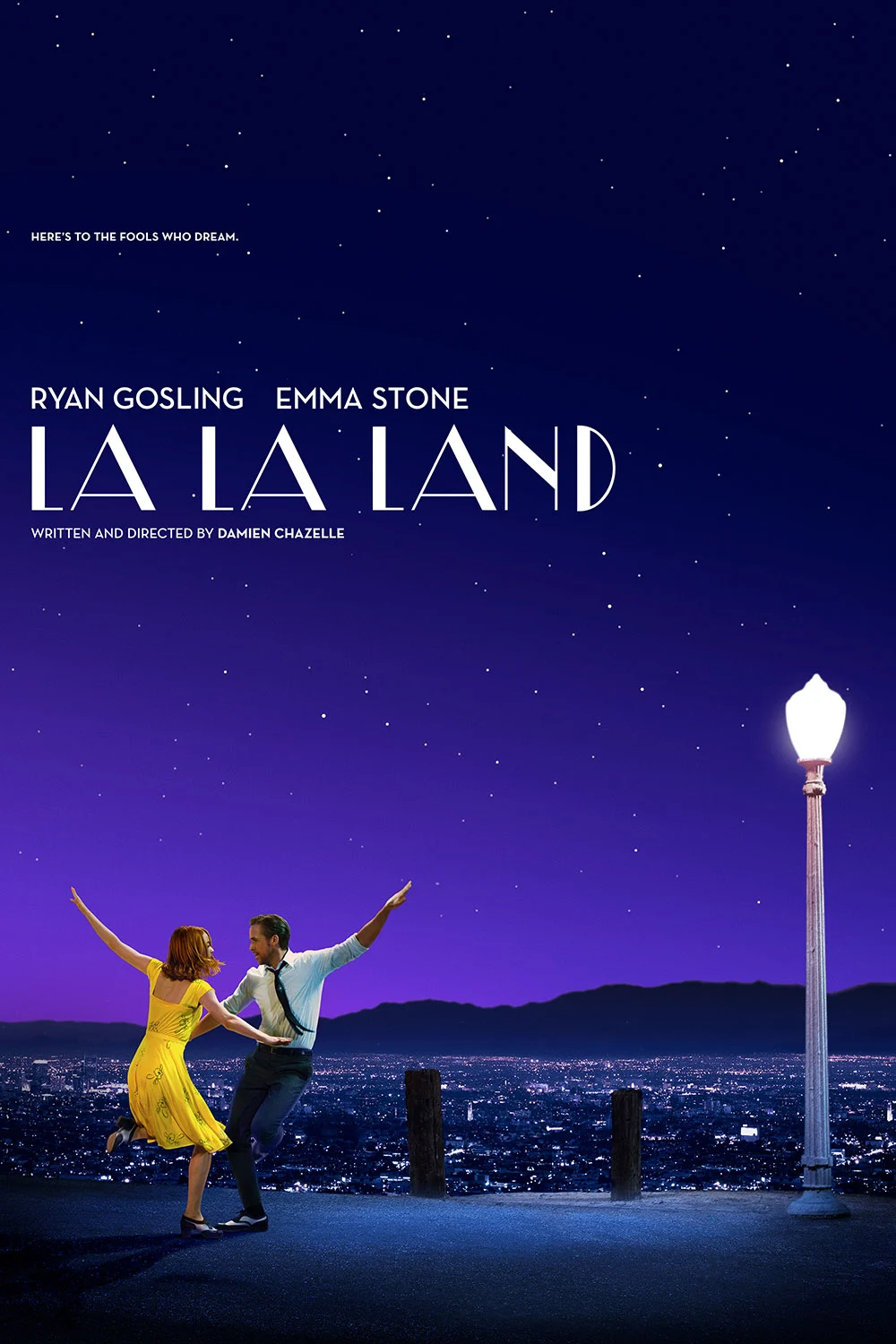
Ryan Gosling’s long-standing on-screen artistic quandary, a seemingly minor detail on the original poster for the critically acclaimed musical La La Land, has finally been resolved. Lionsgate, the film’s distributor, has unveiled a newly designed poster in celebration of the film’s upcoming 10th anniversary, directly addressing Gosling’s perceived misstep in his character’s dance pose. This updated artwork coincides with the film’s return to select theaters, including Dolby Cinema at AMC Theatres, beginning August 16th, and the ongoing development of a Broadway musical adaptation.
The original 2016 poster captured a pivotal moment from Damien Chazelle’s cinematic ode to Hollywood dreams, featuring Gosling as jazz pianist Sebastian Wilder and Emma Stone as aspiring actress Mia Dolan, silhouetted against the vibrant Los Angeles skyline. Both actors are depicted in mid-dance, with their arms extended upwards. However, Gosling’s hand was presented in a flat, palm-down orientation, a choice that he has openly and humorously admitted to regretting for nearly a decade, often referring to it as the "La La hand." This detail, while subtle to many viewers, has evidently lingered in the actor’s consciousness, becoming a recurring point of amusement and self-critique.
A Decade of "Haunting" and the Genesis of the "La La Hand"
Gosling’s persistent self-deprecation regarding the poster’s pose gained significant traction following his candid remarks to The Wall Street Journal in early 2024. When asked about any roles he might wish to revisit or redo, Gosling pointed directly to La La Land, specifically citing the poster’s genesis. He elaborated on the moment captured, explaining his artistic intent at the time: "I thought we were supposed to have our hands up and I thought it’d be cool to put my hand [flat]." He further confessed to a youthful overconfidence in his unconventional choice, stating, "Even though everyone told me it wasn’t cool, I was sure it was cooler." The subsequent realization, however, was stark: "Now when I look at it, and I have to see it all the time, you know what would’ve been cooler… [the correct pose]. It just killed the energy that way." This anecdote cemented the "La La hand" as a recognizable, albeit minor, quirk associated with the film and its star.
The actor’s playful discomfort with the pose was not confined to interviews. Earlier in 2024, while promoting his film Project Hail Mary, Gosling humorously addressed the issue in a March social media post, even releasing a video where he demonstratively corrected his "La La hand" pose. This public acknowledgment and playful correction by Gosling himself underscored the lighthearted nature of his concern and paved the way for the eventual redesign.
The Significance of the Re-Release and Broadway Aspirations
The timing of the poster’s update is intrinsically linked to the film’s significant anniversary. La La Land, a critical and commercial success that garnered widespread acclaim and numerous accolades, is set to be re-released in Dolby Cinema at AMC Theatres starting August 16th. This theatrical return provides an opportunity for a new generation of film enthusiasts to experience the musical on the big screen and for long-time fans to revisit its magic. The Dolby Cinema format, with its advanced projection and sound capabilities, promises an immersive viewing experience, aiming to recapture the cinematic grandeur that defined the original release.
Beyond the anniversary re-release, the enduring cultural impact of La La Land is further evidenced by the active development of a Broadway musical adaptation. This venture signals the film’s continued resonance and its potential to transcend its cinematic origins and captivate live theater audiences. While details surrounding the Broadway production are still emerging, its progression indicates a significant investment and belief in the musical’s enduring appeal. The collaboration between Lionsgate and theatrical producers suggests a careful and deliberate approach to translating the film’s unique aesthetic and emotional core to the stage.

A Look Back at La La Land‘s Triumph and Infamous Oscar Moment
Directed by Damien Chazelle, La La Land achieved considerable success upon its release in 2016. The film was celebrated for its vibrant cinematography, compelling musical numbers, and poignant narrative of two artists navigating their ambitions and romantic relationship in the cutthroat world of Hollywood. It garnered six Academy Awards, including Best Director for Chazelle and Best Actress for Emma Stone, solidifying its place in cinematic history.
However, the film is also indelibly linked to one of the most dramatic and memorable moments in Oscar history: the infamous best picture mix-up at the 2017 Academy Awards. In a stunning turn of events, presenters Warren Beatty and Faye Dunaway mistakenly announced La La Land as the winner of Best Picture. The cast and crew of La La Land had already taken the stage and begun their acceptance speeches when it was revealed that the actual winner was Moonlight. This unprecedented error, attributed to an envelope mix-up by the accounting firm PricewaterhouseCoopers, became an instant cultural talking point and a cautionary tale in award show history. The subsequent correction, while awkward and embarrassing, did not detract from the film’s overall critical acclaim and box office success.
Supporting Data and Box Office Performance
La La Land‘s initial theatrical run was a significant commercial success, especially for an original musical. The film grossed over $449 million worldwide against a production budget of approximately $30 million. Its critical reception was overwhelmingly positive, with a Rotten Tomatoes score of 91% and a Metacritic score of 88 out of 100, reflecting widespread critical acclaim. The film’s soundtrack also achieved commercial success, with the song "City of Stars" winning the Academy Award for Best Original Song. The re-release is expected to capitalize on this enduring popularity, potentially drawing significant box office numbers, especially among fans who may have missed it in theaters or wish to re-experience it in its full visual and auditory splendor. Industry analysts are anticipating a strong performance, particularly in markets where musicals and cinematic classics have a dedicated following.
Analysis of Implications and Broader Cultural Impact
The correction of Gosling’s "La La hand" on the anniversary poster, while seemingly a minor detail, speaks to the enduring power of visual storytelling and the way audiences connect with iconic imagery. It highlights how even small artistic choices can become points of discussion and cultural commentary, especially when amplified by the charisma of its stars. The updated poster serves as a testament to the film’s lasting legacy and the studio’s commitment to celebrating its milestones.
Furthermore, the ongoing success and adaptation of La La Land into a Broadway musical underscore the timeless appeal of its themes: the pursuit of dreams, the complexities of love, and the magic of artistic expression. The musical’s development indicates a strategic effort by Lionsgate to expand the La La Land franchise into new entertainment verticals, potentially creating new revenue streams and engaging a broader audience. This trend of adapting successful films into stage productions has become increasingly prevalent, demonstrating a robust market for familiar narratives presented in new formats. The La La Land musical could become a significant addition to the Broadway landscape, drawing on the film’s established fanbase and its universally relatable story.
The film’s continued relevance also serves as a reminder of the power of original musicals in an era often dominated by sequels and established intellectual property. La La Land‘s success proved that audiences are still eager for ambitious, artistically driven cinematic experiences that can evoke emotion and inspire. The anniversary re-release and the Broadway adaptation are not just celebratory events; they are indicators of a sustained cultural appreciation for a film that captured the hearts and imaginations of millions. The corrected poster, therefore, becomes more than just an updated image; it is a symbol of a beloved film’s enduring legacy and its continued ability to captivate audiences a decade after its initial release.