Kang Muslim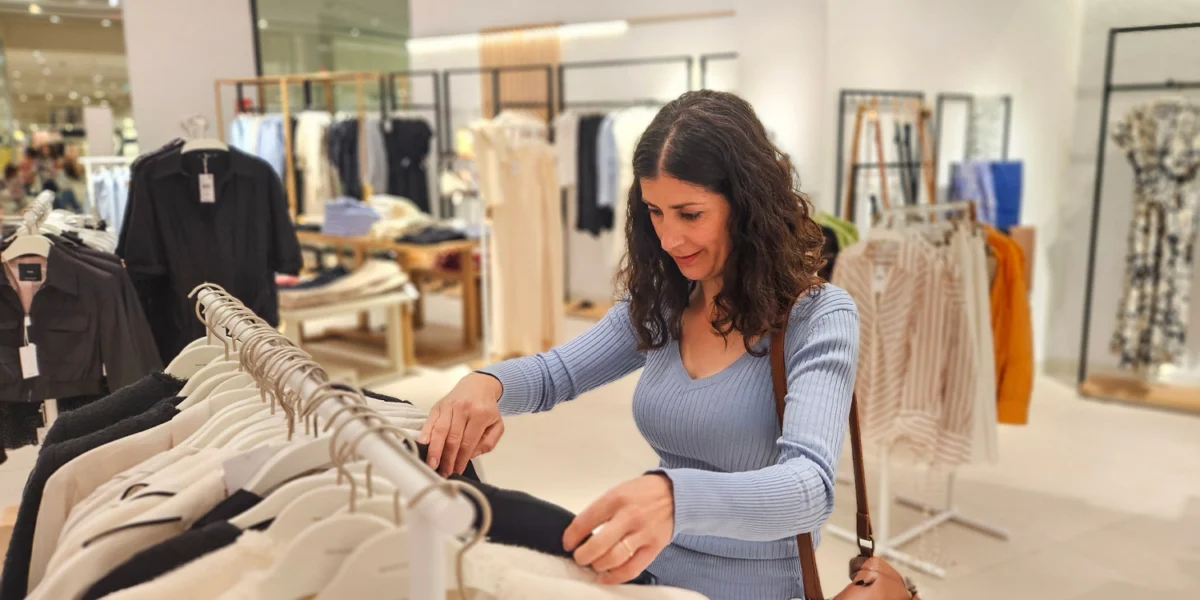
A comprehensive study recently published in the Journal of Macromarketing has established a definitive link between the availability of well-fitting, age-appropriate clothing and the mental well-being of middle-aged women. The research, spearheaded by Jekaterina Rogaten, a senior lecturer at the University of the Arts London, and fashion expert Viviana Rullo, suggests that the fashion industry’s historical obsession with youth-oriented marketing has created a significant psychological rift for women in their 40s, 50s, and 60s. By failing to provide garments that accommodate changing bodies and professional identities, the industry may be inadvertently contributing to social avoidance and decreased life satisfaction among a demographic that holds the highest spending power in the modern economy.
The Psychological Weight of Enclothed Cognition
The study is grounded in the psychological concept of "enclothed cognition," a theory which posits that the symbolic meaning of clothing and the physical experience of wearing it can trigger specific psychological processes. In essence, what a person wears influences how they think, feel, and behave. For middle-aged women, this relationship is particularly acute. The research indicates that when women are satisfied with their fashion options, they experience higher levels of optimism and a more robust sense of self. Conversely, when the market fails to provide suitable options, it triggers a cascade of negative psychological outcomes.
The researchers discovered that clothing satisfaction is a significant predictor of overall mental health. Specifically, the mathematical model utilized in the study explained approximately 19 percent of the variance in the participants’ well-being scores. This finding underscores that fashion is not merely a matter of vanity or superficial consumption; it is a functional tool for navigating social spaces and maintaining psychological equilibrium.
Chronology and Origin of the Research
The impetus for this study began with a personal dialogue between the co-authors. Rogaten and Rullo observed a shared sense of paradox: as they aged, they felt a growing sense of personal freedom and self-assuredness, yet simultaneously felt increasingly "invisible" to the fashion industry. This lived experience led them to investigate whether this sentiment was a widespread phenomenon.
Upon reviewing existing academic literature, the researchers were struck by a profound gap. While the fashion industry has been hyper-focused on the youth market since the cultural shifts of the late 1960s, very little empirical data existed regarding the intersection of fashion and well-being for women in midlife. This lack of attention is particularly notable given the demographic shifts in Western nations. In the United Kingdom, for instance, the median age has risen to 57, making the "middle-aged" consumer the new statistical majority.
To address this gap, Rogaten and Rullo designed a study to capture both quantitative data through standardized psychological questionnaires and qualitative insights through open-ended responses. They sought to understand not just whether women were unhappy with their clothes, but how that unhappiness manifested in their daily lives and mental health.
Methodology and Participant Demographics
The study involved a sample of 252 women residing in the United Kingdom, with ages ranging from 38 to 67. The average age of the participants was 53. The demographic profile of the group consisted primarily of white women employed in managerial or highly skilled professional roles. This specific group was chosen because they represent a segment of society with significant disposable income and high social engagement—individuals who are most likely to be actively participating in the fashion market.
The researchers employed several metrics to gauge the participants’ psychological states:
- Fashion Satisfaction: Measuring the ease of finding brands that align with personal style and professional needs.
- General Well-being: Assessing overall optimism and life satisfaction.
- Aging Anxiety: Evaluating concerns regarding the physical signs of aging.
- Appearance-Related Anxiety: This was further categorized into "threat monitoring" (excessive checking of one’s appearance) and "social avoidance" (the tendency to skip social events due to dissatisfaction with one’s looks).
Key Findings: The Protective Effect of Fashion
The results revealed a clear correlation: high satisfaction with clothing choices acts as a protective factor against social withdrawal. When women have access to attire that makes them feel comfortable, appropriate, and stylish, they are significantly less likely to engage in social avoidance.
Interestingly, the study debunked the hypothesis that "aging anxiety" was the primary driver of this relationship. The researchers initially suspected that poor clothing options might lower well-being by making women feel more anxious about getting older. However, the data showed that clothing satisfaction predicted well-being regardless of how a woman felt about the aging process itself. Even women who held negative views about aging saw a boost in their mental health when they were able to find well-fitting, desirable clothing. This suggests that fashion serves a distinct functional purpose in managing daily emotions and facilitating social participation that is independent of a woman’s broader philosophy on aging.
The Retail Disconnect: Revelatory vs. Frumpy
The qualitative portion of the study allowed participants to voice their specific frustrations with the current state of the fashion industry. The responses highlighted a stark "choice architecture" problem. Many participants reported feeling trapped between two undesirable extremes:
- Youth-Centric Styles: Garments that are often highly revealing, made of low-quality synthetic materials, or cut for adolescent proportions.
- Conservative "Frumpy" Styles: Clothing intended for much older generations that lacks modern aesthetic appeal and professional utility.
A primary grievance involved the physical fit of garments. Participants noted that standard retail sizing fails to account for the physiological changes associated with midlife, such as those brought on by menopause or childbirth. These changes often result in broader waists, larger busts, and shifting weight distributions. The fashion industry’s tendency to simply scale up youthful patterns rather than redesigning blocks for the middle-aged body was cited as a major source of frustration.
Furthermore, the shift toward online-only retail has exacerbated these issues. Women in this demographic expressed a preference for physical stores where they could assess fabric quality and try on garments. However, the in-store experience has also deteriorated, with participants citing poor lighting and cramped fitting rooms as factors that contribute to "appearance-related distress."
Economic Implications and the "Silver Pound"
The study’s findings present a compelling case for a shift in corporate strategy. The demographic of middle-aged women is often referred to in economic terms as part of the "Silver Pound" or the "Gray Market"—a group with high net worth and significant influence over household spending. Despite this, the researchers noted that these women feel systematically overlooked by major brands.
"We were genuinely surprised by how strongly these women felt overlooked," Rogaten stated. "They want to spend money on fashionable clothing, but they simply can’t find suitable options. This isn’t a minor frustration; it has a profound effect on their mental well-being and their sense of belonging in society."
From a macromarketing perspective, this represents a massive untapped market. Brands that can successfully bridge the gap between style, quality, and age-appropriate fit stand to gain significant loyalty from a demographic that is currently underserved and eager for representation.
Broader Societal Impact and Future Directions
The implications of this research extend beyond the retail sector. As the global population ages, social isolation is becoming an increasingly prevalent public health concern. By identifying fashion as a tool that can either facilitate or hinder social connection, the study highlights a practical pathway for improving the social lives of older adults.
The researchers have acknowledged the limitations of their study, particularly the lack of ethnic and socioeconomic diversity in the initial sample. Rogaten has expressed a commitment to expanding this research to include women from different cultural backgrounds to determine how different societal expectations and patriarchal structures might influence the relationship between fashion and well-being.
Looking toward the future, the findings are already being translated into practical resources. Co-author Viviana Rullo is currently developing a book aimed at helping women navigate identity and confidence through style during midlife. Additionally, Rogaten and her colleagues recently published Applied Psychology in Fashion, a textbook that integrates psychological principles into the fashion industry’s curriculum.
A formal event to discuss these findings and the future of fashion psychology is scheduled for May 6, 2026, at the London College of Fashion. This event will feature panels of industry experts and psychologists, aiming to spark a broader conversation about how the fashion industry can evolve to meet the needs of an aging but vibrant population.
The study concludes that for middle-aged women, the ability to find the right clothes is not a luxury, but a necessity for maintaining a visible and active role in society. As Rogaten noted, "Fashion directly impacts mental well-being, not just on its own, but through social interactions. We want middle-aged women to know they’re seen, and their specific needs have been noted."