
 Johny Marice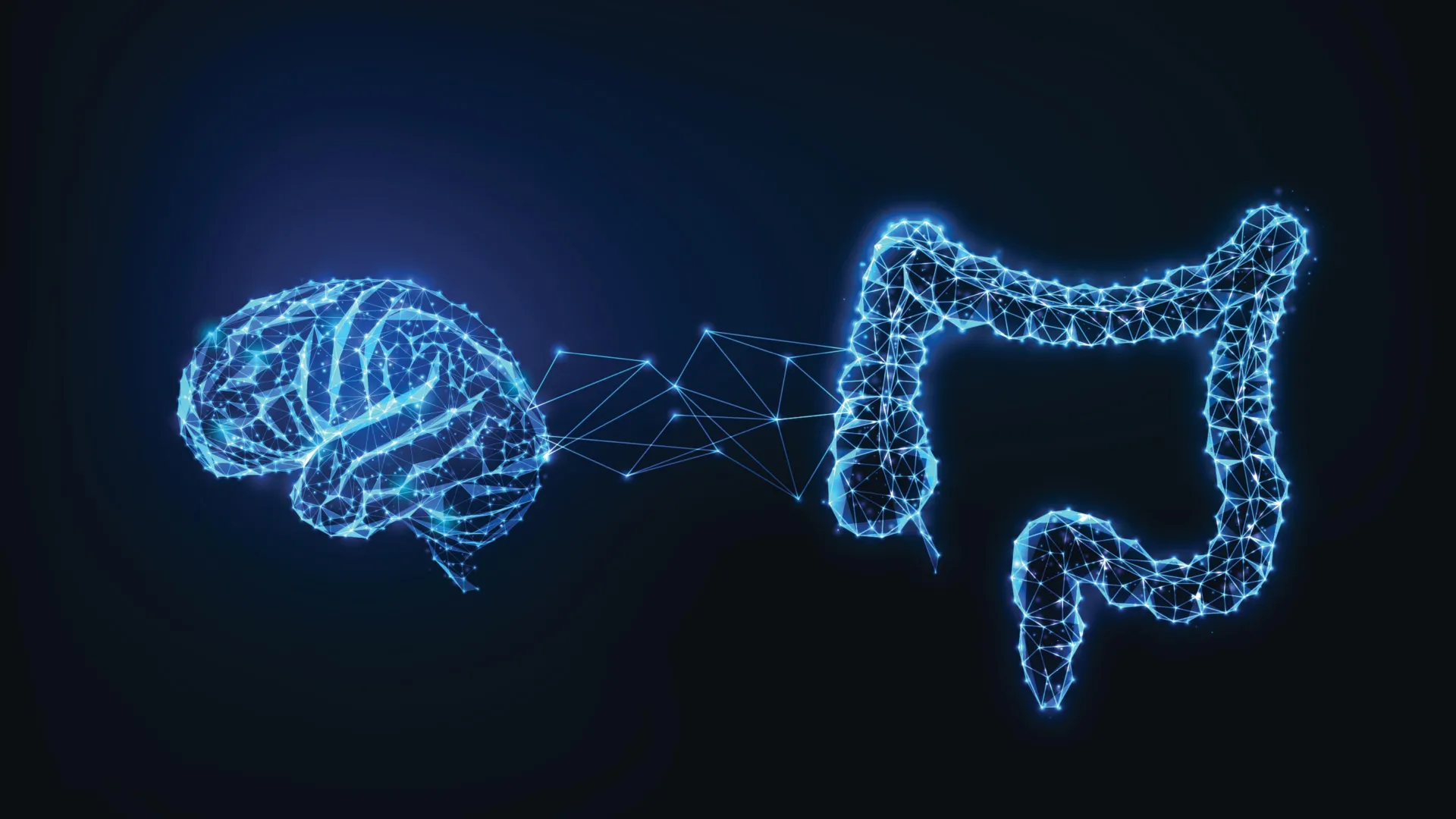
A molecule produced by bacteria within the human digestive system may play a significant role in the development and acceleration of Alzheimer’s disease, according to a pivotal study published in the journal Nature Communications. This discovery identifies imidazole propionate (ImP), a byproduct of microbial metabolism, as a potential biological culprit in the neurodegenerative processes that define dementia. By bridging the gap between gut health and cognitive decline, the research offers a promising, albeit complex, new target for clinical interventions aimed at slowing the progression of Alzheimer’s and related cognitive disorders.
The Evolution of Gut-Brain Axis Research
The journey toward this discovery began nearly a decade ago, when researchers at the University of Wisconsin-Madison, led by professors Barbara Bendlin and Federico Rey, first observed a distinct microbial signature in the intestines of patients diagnosed with Alzheimer’s compared to cognitively healthy peers. This initial observation catalyzed a multi-year effort to decode the bidirectional communication between the gut and the brain, a field now widely recognized as the "gut-brain axis."
"Since the initial findings that showed a divergence in gut microbiome composition between clinical populations, our primary focus has been to elucidate the precise mechanisms by which these intestinal changes influence neurological integrity," says Dr. Bendlin, a professor of medicine at the UW School of Medicine and Public Health.
For years, the scientific community has hypothesized that gut-derived metabolites might traverse the bloodstream to impact the central nervous system. The identification of ImP serves as a significant milestone in validating this hypothesis, moving the conversation from broad microbial correlations to specific molecular causality.
Understanding Imidazole Propionate: A Molecular Agent
Imidazole propionate is a metabolite generated by specific strains of gut bacteria as they metabolize histidine, an essential amino acid found in high-protein foods such as meat, dairy, and eggs. While histidine is vital for human physiology, the conversion process into ImP appears to be a double-edged sword.
"ImP-producing bacteria are present in a significant portion of the population, even if they are not necessarily the most dominant organisms in the gut ecosystem," explains Dr. Federico Rey, a professor of bacteriology at UW-Madison. "Crucially, our research demonstrates that a microbe does not need to be abundant to exert a profound physiological effect on the host. Even at lower concentrations, the molecules they produce can have systemic repercussions."
Once synthesized in the gut, ImP enters the circulatory system. While previous studies have linked elevated levels of this compound to metabolic conditions such as type 2 diabetes and coronary artery disease, the recent study marks the first time it has been definitively linked to the brain’s inflammatory response and protein aggregation.
Experimental Evidence and Cognitive Correlation
To determine the impact of ImP on brain health, researchers utilized both animal models and human clinical data. In studies involving mice, the introduction of ImP into the systemic circulation was observed to catalyze the accumulation of beta-amyloid plaques and tau proteins—the two pathological hallmarks of Alzheimer’s disease. These proteins are known to disrupt neuronal communication and, eventually, cause cell death.
The study’s scope expanded to human participants through an analysis of nearly 1,200 individuals enrolled in the Wisconsin Registry for Alzheimer’s Prevention and the Wisconsin Alzheimer’s Disease Research Center. The researchers cross-referenced blood plasma concentrations of ImP with longitudinal cognitive assessment data. The findings were stark: participants exhibiting the highest levels of circulating ImP demonstrated a markedly faster rate of cognitive decline over time compared to those with lower levels. Furthermore, these individuals were significantly more likely to possess biological markers indicating impaired neuronal function.
The Role of Genetics in ImP Clearance
One of the most compelling aspects of the study is the identification of a genetic component that influences individual susceptibility. The team discovered a specific genetic variation that correlates with higher concentrations of ImP in the blood. Approximately 43% of the study participants carried this variation.
Researchers hypothesize that this genetic trait may affect renal efficiency—specifically, how well the kidneys filter and remove ImP from the bloodstream. When the kidneys fail to clear the metabolite effectively, it remains in circulation longer, increasing the likelihood that it will cross the blood-brain barrier. "This genetic variation has been flagged in previous large-scale genetic studies as a risk factor for Alzheimer’s," Dr. Rey notes. "Our findings provide a potential mechanism for why this genetic link exists, moving from a statistical association to a functional understanding."
Clinical Implications and Treatment Strategies
The identification of ImP as a driver of cognitive decline presents a dual challenge and opportunity for the medical community. Because histidine is an essential nutrient, simply restricting the intake of histidine-rich foods is not a viable strategy for lowering ImP levels. Dietary restriction could lead to malnutrition or other metabolic complications, as histidine is vital for protein synthesis and tissue repair.
"We cannot simply advise people to stop eating protein," Dr. Bendlin explains. "It is not as straightforward as modifying a diet. The solution lies in managing the metabolic byproduct rather than eliminating the precursor."
The research team suggests that the future of Alzheimer’s treatment may mirror the approach currently used for cardiovascular health. Just as statins are prescribed to lower cholesterol—a substance necessary for human health but dangerous in excess—future therapies could involve "ImP inhibitors." By developing pharmacological agents that specifically target the bacterial enzymes responsible for ImP production or that facilitate the systemic clearance of the molecule, scientists hope to create a prophylactic or therapeutic strategy to preserve cognitive function.
A Multidisciplinary Effort
This study represents a significant collaborative effort, with researchers from the University of California, Los Angeles, and the University of Gothenburg contributing critical insights. The interdisciplinary nature of the project—combining bacteriology, neurology, and longitudinal epidemiology—highlights the complexity of addressing Alzheimer’s disease.
The research was supported by a robust network of funding bodies, including the National Institutes of Health (NIH), the Wisconsin Partnership Program, and the U.S. Department of Agriculture. These grants (R01AG070973, R01AG083883, R01AG092220, R21AG089348, R01HL168493, R01DK143650, U54HL170326, and WIS03073) underscore the high priority that federal and state institutions place on identifying modifiable risk factors for neurodegeneration.
Future Outlook
As the global population ages, the search for preventable risk factors for dementia has become a public health imperative. The discovery of the gut-derived ImP pathway provides a clear, actionable target for future clinical trials. While it will likely take several years to develop and test safe, effective inhibitors for ImP, the identification of this pathway offers a rare moment of clarity in the otherwise opaque landscape of Alzheimer’s research.
For millions of people at risk of cognitive decline, the gut may prove to be just as important as the brain in the coming era of precision medicine. The ability to monitor ImP levels via blood tests could eventually become a routine part of geriatric screening, allowing for earlier intervention and more personalized care plans. By looking beyond the confines of the cranium and examining the internal ecosystem of the digestive tract, researchers have opened a new, promising chapter in the fight against Alzheimer’s disease.









