Kang Muslim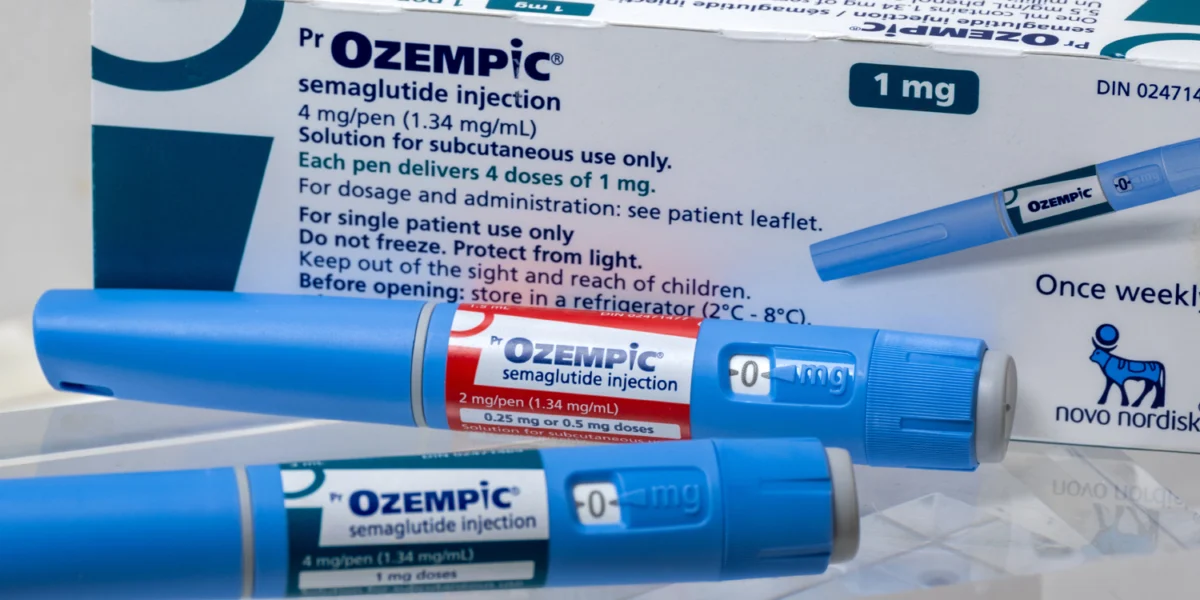
The rapid proliferation of Glucagon-like peptide-1 (GLP-1) receptor agonists, marketed under brand names such as Ozempic and Wegovy, has already fundamentally altered the landscape of metabolic health and obesity treatment in the United States. However, a groundbreaking new study published in the journal Criminology suggests that the impact of these medications may extend far beyond weight loss and glycemic control. Researchers have identified a significant correlation between the use of these drugs and a reduction in the likelihood of violent criminal behavior, potentially signaling a paradigm shift in how science understands the intersection of pharmacology, impulsivity, and public safety.
The research, led by Daniel Semenza, director of research at the New Jersey Gun Violence Research Center at the Rutgers School of Public Health, indicates that GLP-1 medications may disrupt the psychological and physiological pathways that typically lead from impulsive urges to aggressive physical actions. By "quieting" the internal drive for rewards—a phenomenon already noted by patients regarding food and addictive substances—these medications appear to provide a biological buffer against the reactive violence that often stems from poor impulse control and substance-induced disinhibition.
The Pharmacological Mechanism: Beyond Blood Sugar
GLP-1 receptor agonists were originally designed to treat Type 2 diabetes by mimicking a naturally occurring hormone that stimulates insulin production and slows gastric emptying. As their use expanded to treat obesity, medical professionals began documenting "off-target" effects that suggested a profound influence on the central nervous system. Patients frequently reported a dramatic reduction in "food noise," the persistent, intrusive thoughts about eating that drive overconsumption.
More significantly, anecdotal and clinical evidence began to surface regarding a decreased desire for alcohol, nicotine, and even behavioral compulsions like gambling and excessive shopping. Scientists believe this occurs because GLP-1 receptors are not only located in the gut but also in the brain’s reward centers, specifically the dopaminergic pathways. Dopamine serves as the primary chemical messenger for pleasure and motivation; by modulating this system, GLP-1 drugs may lower the "reward" associated with impulsive behaviors, making them less appealing and easier to resist.
Furthermore, these medications interact with the hypothalamic-pituitary-adrenal (HPA) axis, the body’s primary stress-response system. By mitigating neuroinflammation and regulating stress hormones, the drugs may foster a more stable emotional baseline, reducing the "hair-trigger" irritability that often precedes physical altercations.
Study Design and Methodology: The 2025 Analysis
To explore the link between these drugs and criminal behavior, Semenza and his colleague Christopher Thomas utilized a large-scale, nationally representative dataset. The data was gathered during the summer of 2025 through a probability-based sampling method designed to mirror the demographic complexities of the United States. Of the more than 7,500 adults surveyed, the researchers identified 821 individuals who had utilized GLP-1 medications.
A critical component of the study’s design was the division of these participants into two distinct categories: 597 current users and 224 former users. This distinction allowed the researchers to control for "selection bias"—the idea that people who seek out these medications might already possess certain traits (such as a desire for self-improvement or higher health literacy) that could influence their behavior. By comparing current users to those who had previously taken the drug but stopped, the researchers could more accurately isolate the pharmacological effect of the medication itself.
The survey instruments used were highly standardized. To measure impulsivity, participants were asked to rate their agreement with statements regarding high-speed activities, acting on immediate needs, and making decisions without prior thought. Alcohol consumption was tracked through frequency and "binge" metrics (six or more drinks in a single sitting). Most importantly, the researchers used a validated questionnaire to document self-reported criminal activity over the previous 12 months, distinguishing between violent acts (assault, fighting, robbery) and non-violent offenses (theft, property damage).
Quantitative Findings: Severing the Link Between Impulse and Action
The statistical analysis revealed a stark divergence between current and former GLP-1 users. Under normal circumstances, high levels of impulsivity and heavy alcohol use are among the strongest predictors of violent behavior. This classic correlation held true for the former users in the study; those with higher impulsivity scores were significantly more likely to report engaging in violence.
However, for those currently taking GLP-1 medications, this correlation was profoundly weakened. The study found that the link between impulsivity and violent behavior was 62 percent weaker among current users. Similarly, the association between alcohol consumption and violence was reduced by approximately 52 percent.
“The strongest finding in the study was that the well-established link between impulsivity and violent behavior was substantially weaker among current GLP-1 users compared to former users,” noted lead author Daniel Semenza. He emphasized that as these drugs become a staple of American healthcare, understanding their broad behavioral implications is a matter of significant public interest.
Reactive vs. Instrumental Crime: The Limits of the Effect
Interestingly, the study found no such moderating effect on non-violent property crimes. This distinction provides a crucial clue into how the medication functions. Criminologists often distinguish between "reactive" violence—which is emotional, unplanned, and driven by immediate provocation or impulse—and "instrumental" crime, which is calculated and motivated by financial gain.
Because GLP-1s appear to work by dampening the immediate, reward-seeking impulses and emotional volatility, they are naturally more effective at reducing reactive violence. Non-violent crimes like shoplifting or fraud are typically more deliberate and less dependent on a sudden failure of self-control, explaining why the medications had little impact on these behaviors.
Coauthor Christopher Thomas, an assistant professor at Rutgers University-Camden, likened the medication’s effect to a biological form of Cognitive Behavioral Therapy (CBT). “Our findings are consistent with these medications working like cognitive behavioral therapy, weakening the path from impulse to action rather than eliminating impulsivity itself,” Thomas explained. The drug does not necessarily change who a person is; rather, it provides a "pause button" between the feeling of an urge and the execution of a physical response.
Comparative Analysis: Lessons from ADHD and Psychiatry
The findings at Rutgers align with previous research into other classes of medication. For decades, studies have shown that pharmacological treatments for Attention-Deficit/Hyperactivity Disorder (ADHD), such as methylphenidate (Ritalin), are associated with lower rates of criminality and recidivism among patients. Like GLP-1s, ADHD medications target the dopamine system to improve executive function and impulse control.
The emergence of GLP-1s as a potential tool for behavioral regulation adds a new layer to this field. Unlike many psychiatric medications that can have sedative effects or significant personality-altering side effects, GLP-1s appear to target the specific "noise" of cravings and impulses while leaving general cognitive function intact. This "cleaner" behavioral profile makes them a subject of intense interest for future criminological and psychological research.
Limitations and the Path Forward
Despite the compelling nature of the data, the researchers have urged caution. The study was cross-sectional, meaning it captured a snapshot of behavior at a single point in time rather than tracking individuals as they began or ceased medication. This prevents the researchers from definitively claiming a causal relationship.
Furthermore, the reasons for discontinuing GLP-1 use—such as the loss of insurance coverage, the onset of side effects, or significant life stressors—could themselves be factors that increase a person’s risk for aggression. The baseline rate of violent crime in the general population is also relatively low, which can make statistical modeling challenging.
The researchers recommend that future studies utilize longitudinal designs, following participants over several years to observe behavioral changes in real-time. They also suggest focusing research on "high-risk" populations, such as individuals already involved in the criminal justice system or those struggling with severe impulse control disorders, to see if the medication could serve as a supplemental tool in rehabilitation programs.
Broader Implications for Public Health and Safety
As the "Ozempic Era" continues to evolve, the societal implications are vast. If future clinical trials confirm that GLP-1s can reduce reactive violence, the public health benefits could be dual-pronged: a reduction in the metabolic disease burden alongside a decrease in community violence and injury.
However, the authors stress that biology is only one piece of the puzzle. While GLP-1s might provide a physiological buffer, they cannot override the deep-seated social and structural drivers of crime, such as poverty, lack of educational opportunity, and systemic inequality. The researchers emphasize that these drugs should not be viewed as a "silver bullet" for antisocial behavior but rather as a fascinating window into the biological underpinnings of human choice.
The study, "Glucagon-like peptide-1 receptor agonist use and violent crime among US adults," serves as a vital first step in exploring the unintended—yet potentially transformative—consequences of the world’s most popular new class of medications. As science continues to peel back the layers of how GLP-1s affect the human brain, the line between metabolic health and behavioral science continues to blur.