Ferry Irwandi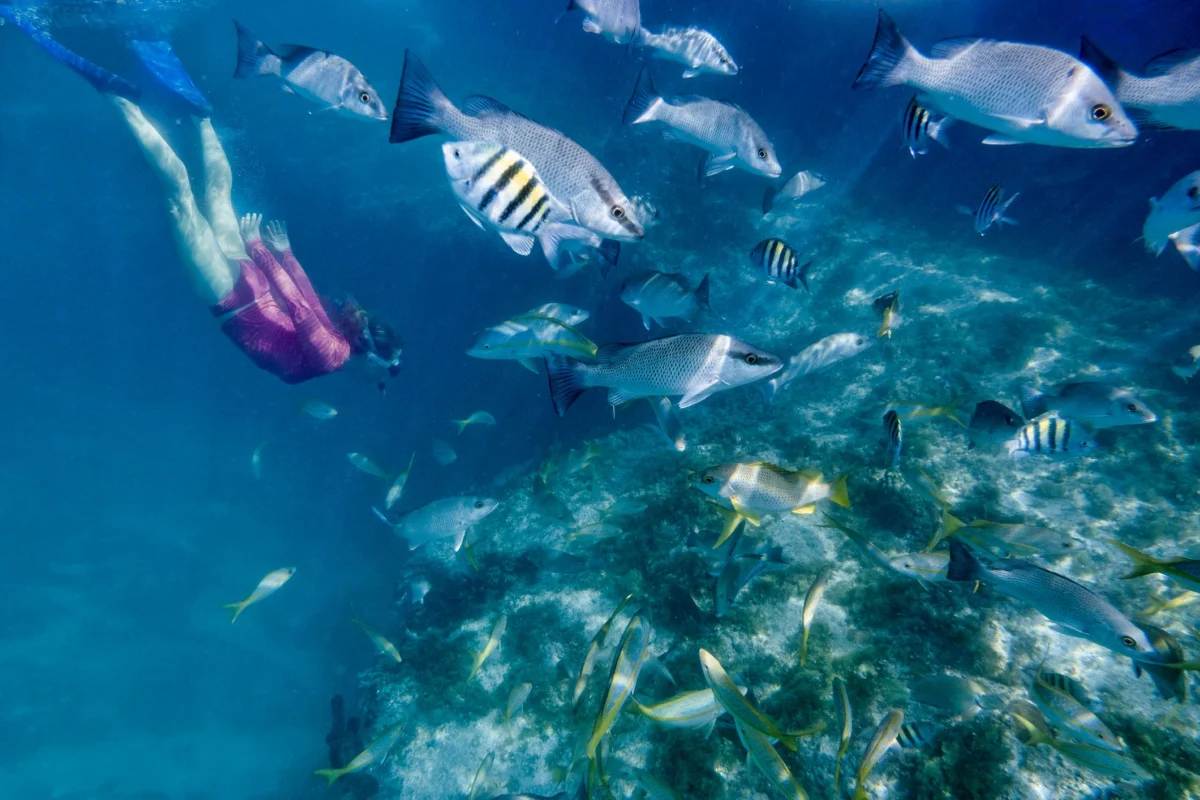
The global wellness tourism industry, valued at over $800 billion, has seen a significant shift toward activities that combine physical rigor with mental restoration. Among these, scuba diving is increasingly being recognized not just as an underwater adventure, but as a sophisticated form of mindfulness and breath-based therapy. For many participants, the process of obtaining a scuba certification serves as a rigorous training ground for managing psychological distress, particularly anxiety. By requiring practitioners to master their respiratory systems in high-stakes environments, diving offers a unique bridge between physiological control and mental clarity.
The Science of Breath in Sub-aquatic Environments
At the core of scuba diving is a fundamental rule that contradicts human instinct in high-stress situations: never hold your breath. This principle is not merely a safety protocol to prevent lung overexpansion injuries; it is the primary mechanism for maintaining buoyancy and composure. Stephen J. Aynsley, a Scuba Meditation Specialty Course Director with the Professional Association of Diving Instructors (PADI), emphasizes that breathing dictates the entire trajectory of a dive.
"You have to breathe continuously to remain conscious and safe, but you also have to breathe correctly to maintain good buoyancy," Aynsley noted in a recent assessment of the discipline. "It’s one of the few body systems that you can consciously and subconsciously control."
For novice divers, the natural reaction to the claustrophobia of being underwater is to take shallow, rapid breaths. This "chest breathing" triggers the sympathetic nervous system, increasing heart rate and cortisol levels, which often leads to a feedback loop of panic. Conversely, the goal of professional diving instruction is to cultivate "diaphragmatic breathing"—long, slow inhales followed by even longer exhales. This pattern mirrors the techniques used in on-land meditation and clinical breathwork used to treat Generalized Anxiety Disorder (GAD) and Panic Disorder.

A Chronology of Certification: From Theory to Open Water
The path to becoming a certified diver is structured to build resilience through incremental exposure. The process typically begins with an extensive theoretical component, often involving eight to ten hours of online coursework covering physics, physiology, and safety protocols. This is followed by two distinct practical phases: confined water training and open water checkout dives.
Phase I: Confined Water Training
For many urban dwellers, this phase occurs in local community pools or dedicated dive centers. The environment is controlled, but the psychological barriers are often at their highest. Students must learn to rely entirely on mechanical equipment—a 30-pound tank of compressed air and a regulator—while submerged in an environment where they cannot immediately speak or move freely.
Common training exercises, such as "mask clearing" (intentionally flooding the mask with water and then blowing it out through the nose), frequently trigger the "mammalian dive reflex" in ways that can be disorienting. For students prone to anxiety, this stage often results in a "flight" response, where the instinct is to bolt to the surface—an action that, in deeper water, could lead to decompression sickness or arterial gas embolisms.
Phase II: The Open Water Transition in Nassau
The transition from a chlorinated pool to the ocean represents a significant shift in both sensory input and stakes. In locations such as Nassau, Bahamas, the environment offers a stark contrast to the stagnant air of indoor facilities. The crystal-clear waters of the Caribbean provide visibility of up to 40 feet or more, allowing divers to see the coral gardens and shipwrecks they are destined to explore.
However, the vastness of the ocean introduces new variables. Divers must manage their depth, monitor their air supply (measured in PSI), and maintain constant communication with a "buddy" using a standardized set of hand signals. In the Bahamas, this training often takes place at sites like Nari Nari or the Clifton Wall, where the seafloor drops thousands of feet into the "Tongue of the Ocean" trench.

Supporting Data: The Growth of "Blue Space" Therapy
The move toward scuba-based mindfulness is supported by a growing body of research into "Blue Space" therapy—the idea that proximity to water has a quantifiable impact on mental health. A study published in the journal Environmental Research found that frequent visits to blue spaces are associated with lower risks of depression and better self-reported mental health.
According to PADI data, there has been a notable increase in interest for specialty courses that focus on the mental aspects of diving. The Scuba Meditation specialty, for instance, focuses on "neutral buoyancy" as a metaphor for mental balance. By achieving a state where the diver neither sinks nor floats, they enter a weightless environment that minimizes sensory overload and allows for deep introspection.
Furthermore, the "buddy system" in diving provides a unique social-psychological benefit. By entrusting their safety to a partner, divers are forced to move beyond their internal anxieties and focus on the well-being of another. This externalization of focus is a key component of many cognitive-behavioral therapies.
Safety Protocols and Equipment as Psychological Anchors
The rigors of scuba diving are managed through a strict adherence to pre-dive checklists and equipment maintenance. Before entering the water, divers must verify:
- Tank Pressure: Ensuring a full 3,000 PSI of air.
- Regulator Functionality: Testing the primary and secondary air sources.
- Weight Distribution: Calibrating lead weights to ensure the diver can descend and ascend at a controlled rate.
- Emergency Procedures: Reviewing hand signals for "out of air," "ear equalization issues," and "distress."
These protocols serve as psychological anchors. For an individual struggling with the unpredictability of anxiety, the highly structured and predictable nature of dive safety provides a sense of agency. The equipment, while initially feeling like a cumbersome "new appendage," eventually becomes a life-sustaining extension of the self, reinforcing the diver’s confidence in their ability to survive and thrive in an alien environment.

Case Study: The David Tucker Shipwreck and Clifton Wall
The practical application of these skills is best observed in the exploration of artificial reefs and natural drop-offs. In the Bahamas, the David Tucker shipwreck—a former Royal Bahamas Defense Force vessel—serves as a primary site for newly certified divers. The ship has been transformed into a thriving ecosystem where sea fans, purple corals, and nurse sharks reside.
Navigating such a site requires "full attention," a state of being that Aynsley describes as the essence of mindfulness. "Diving demands you to be present. You are checking your depth, your air, and your partner. There is simply no room for the ruminative thoughts that characterize anxiety," he explains.
At the Clifton Wall, the sensory experience becomes even more profound. Floating 40 feet above an abyss that plunges into darkness, divers experience a profound sense of scale. The rhythmic sound of one’s own bubbles and the sight of blue tangs darting through reefs create a "flow state," a psychological condition where an individual is fully immersed in an activity, leading to a loss of the sense of time and self-consciousness.
Broader Impact and Future Implications
The integration of scuba diving into the broader wellness conversation suggests a shift in how society views extreme sports. No longer seen as just an adrenaline-fueled pursuit, diving is being rebranded as a quiet, disciplined practice for those seeking refuge from a hyper-connected, high-stress world.
The implications for the diving industry are significant. Resort destinations like Sandals Royal Bahamian are increasingly marketing their PADI-certified programs as wellness retreats. This shift could lead to:

- Increased Environmental Stewardship: As more people use the ocean for mental restoration, there is a likely increase in advocacy for reef preservation and ocean health.
- Specialized Mental Health Programs: We may see the rise of "Dive Therapy" programs specifically designed for veterans with PTSD or individuals with chronic stress disorders.
- Technological Integration: The development of wearable tech that monitors a diver’s heart rate and stress levels in real-time, providing haptic feedback to encourage slower breathing.
In conclusion, the journey from the panicked environment of a training pool to the serene depths of the Caribbean illustrates the transformative power of controlled respiration and focused attention. By mastering the "silent world," divers are finding that the tools required to survive underwater are the very same tools needed to navigate the complexities of mental health on land. Scuba diving, therefore, stands as a testament to the idea that sometimes, the best way to find one’s breath is to go where it is most precious.