Danny Garick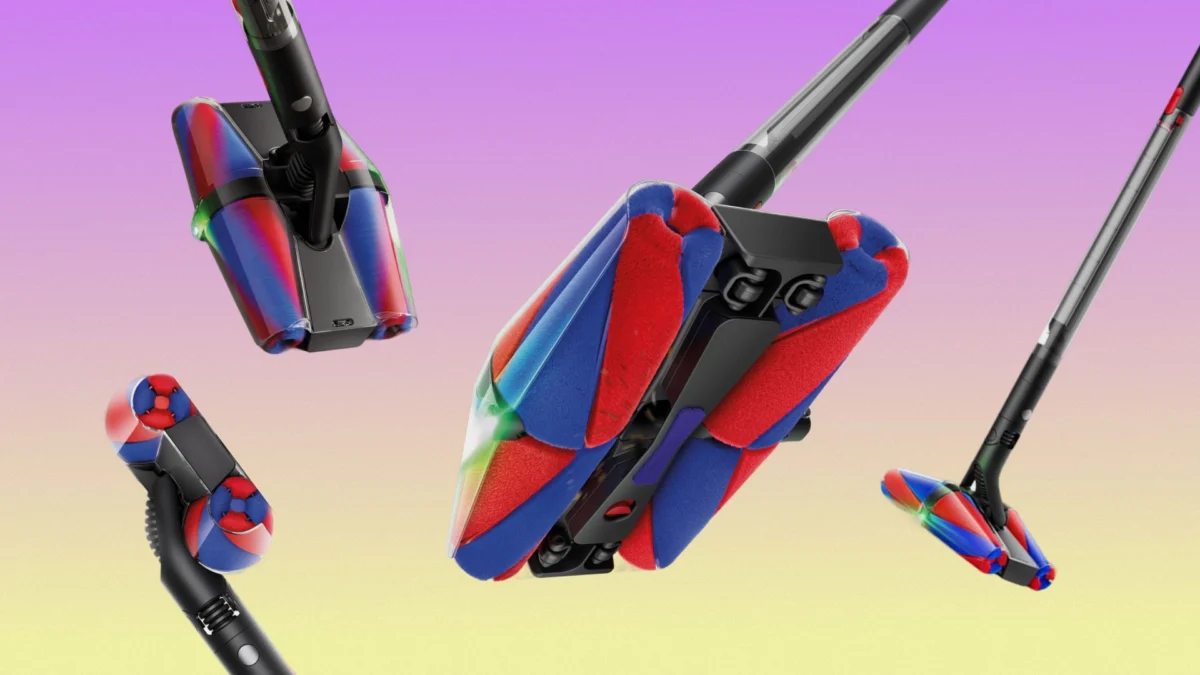
The release of the Dyson PencilVac marks a significant pivot in the design philosophy of the British technology company, shifting away from the bulky, high-capacity formats of previous years toward a hyper-minimalist, wand-style architecture. Marketed as an ultra-slim solution for hard-floor maintenance, the PencilVac—specifically the Fluffycones iteration—challenges the traditional expectations of cordless vacuum performance by prioritizing maneuverability and specialized floor care over raw carpet-deepening suction. This review examines the technical specifications, real-world utility, and market positioning of the PencilVac, evaluating whether its $600 MSRP reflects a genuine advancement in domestic cleaning technology or a niche luxury for specific residential layouts.
The Engineering Profile of the Dyson PencilVac
The Dyson PencilVac represents a radical departure from the "trigger-action" aesthetic that has defined Dyson’s cordless lineup for over a decade. By integrating the motor, battery, and filtration system into a handle with a diameter of just 1.5 inches, Dyson engineers have achieved a form factor that more closely resembles a high-end carpet sweeper than a traditional vacuum.
At the heart of the device is Dyson’s most compact motor to date, capable of reaching 140,000 revolutions per minute (rpm). This high-speed rotation allows the unit to maintain significant airflow despite its diminished physical footprint. The PencilVac is powered by a lithium-ion battery that provides approximately 30 minutes of runtime, a figure optimized for "spot cleaning" and daily maintenance rather than exhaustive, whole-home deep cleans.
The Fluffycones cleaning head is the primary innovation of this model. Featuring a hexagonal head housing two pairs of fuzzy, cone-shaped rollers, the design is engineered to capture fine dust and large debris from hard surfaces without the risk of hair tangles. The microfiber texture of the rollers is specifically calibrated for tile and hardwood, providing a gentle sweep that avoids the scratching often associated with stiff-bristle brush bars.

Chronology of Dyson’s Cordless Evolution
To understand the PencilVac’s place in the market, one must look at the timeline of Dyson’s cordless development, which has consistently pushed the boundaries of power-to-weight ratios:
- 2011: The launch of the Dyson DC35 introduced the "Digital Slim" concept, providing the first viable cordless stick vacuum with a motorized head.
- 2016: The V8 series established the standard for 40-minute runtimes and improved bin emptying mechanisms.
- 2019: The V11 series introduced intelligent suction, which adjusted power based on floor type, alongside an LCD screen for real-time data.
- 2021: The Dyson Outsize was released to cater to large American homes, featuring a 150% larger bin and a wider cleaning head.
- 2024: The PencilVac emerges as a corrective to the "size creep" of the Outsize and Gen5 models, focusing on urban living and the "micro-cleaning" trend where users perform brief, frequent tidying tasks.
Performance Analysis: Hard Floors and Tight Spaces
Testing conducted in a residential environment with a mix of wood, tile, and textured surfaces reveals that the PencilVac excels in specific, high-traffic scenarios. The unit’s 3.5-inch clearance allows it to reach under furniture legs, radiators, and bookshelves that typically obstruct larger models like the Dyson Outsize.
Edge-to-Edge Suction
A critical metric for slim vacuums is their ability to clear debris from wall intersections and cabinet toe-kicks. The PencilVac’s roller configuration provides effective edge-to-edge suction, reducing the need for multiple passes or the use of specialized attachments for basic perimeter cleaning. In tests involving fine particulates (dust and pet dander) and larger debris (cereal and small plastic blocks), the PencilVac maintained consistent pick-up performance on hard surfaces.
Lighting and Visibility
Similar to the Dyson V15 and Gen5 series, the PencilVac utilizes green LED lights on the cleaning head. This technology is designed to reveal microscopic dust particles that are invisible to the naked eye under standard ambient lighting. While often described by users as "horrifying" for the amount of hidden dirt it reveals, the lighting serves a practical function by ensuring that the user does not miss areas during quick cleaning sessions.
Maneuverability and Ergonomics
Weighing approximately four pounds, the PencilVac is significantly lighter than the average stick vacuum. This weight reduction has a direct impact on user fatigue, particularly when cleaning stairs or overhead vents. The "combi" crevice tool, which includes a pivoting brush head, further enhances the unit’s versatility for cleaning non-floor surfaces.

Technical Limitations and Maintenance Challenges
Despite its engineering achievements, the PencilVac’s minimalist design necessitates several trade-offs that may affect its suitability for certain households.
Bin Capacity and Emptying Mechanism
The "syringe" style emptying mechanism is a sleek addition, allowing users to eject debris directly into a waste bin by sliding a seal down the shaft of the handle. However, the small diameter of the dust chamber means it fills rapidly, often requiring multiple empties during a single 15-minute cleaning session. Furthermore, real-world usage indicates that the rubber pads sealing the chamber can become caked with fine dust, occasionally making the sliding action sticky or preventing the latch from clicking into a fully closed position without manual intervention.
Surface Versatility
The PencilVac is not designed for homes with extensive carpeting. While the "Turbo" mode provides a temporary boost in suction, the Fluffycones head lacks the agitation necessary to pull deeply embedded hair or dirt from carpet fibers. On textured entry mats, such as Waterhog-style rubber-backed mats, the PencilVac consistently leaves debris in the recesses, highlighting its limitations as a primary vacuum for mixed-surface environments.
Storage and Charging Infrastructure
Unlike many previous Dyson models that utilized wall-mounted docks to save floor space, the PencilVac relies on a freestanding circular base with a magnetic bracket. While aesthetically designed to resemble a modern sculpture, the base requires dedicated floor real estate. In smaller kitchens or crowded apartments, this footprint may be less desirable than a wall-mounted solution.
Market Context and Industry Implications
The vacuum cleaner industry, currently valued at over $12 billion globally, is seeing a shift toward "zoning"—the practice of using different specialized tools for different cleaning tasks. The PencilVac is a prime example of this trend.

Competitive Landscape
Dyson faces increasing competition from brands like Shark, Tineco, and Samsung, many of which offer "omni-glide" or "slim" models at lower price points. Dyson’s strategy with the PencilVac appears to be a focus on motor efficiency and premium build quality to justify the $600 MSRP. By positioning the PencilVac as an "arsenal" piece—a secondary tool for the kitchen and living room—Dyson is targeting a demographic that already owns a high-powered vacuum but seeks a more convenient option for daily maintenance.
Environmental and Sustainability Factors
The move toward smaller, more efficient motors and lighter batteries has implications for the environmental footprint of household appliances. Smaller batteries require fewer rare-earth minerals, though their lifespan remains a concern for long-term sustainability. Dyson has made strides in offering modular parts for repair, but the integrated nature of the PencilVac’s handle (housing the motor and battery) may present challenges for DIY repairs compared to older, more modular designs.
Official Statements and Design Philosophy
While Dyson typically keeps its R&D specifics proprietary, the company’s founder, Sir James Dyson, has long advocated for "lean engineering." In various corporate briefings, Dyson has emphasized that the goal of their cordless technology is to "do more with less." The PencilVac is the ultimate expression of this philosophy, stripping away the bulk of the dust bin and the complexity of multi-surface brush bars to provide a focused, high-performance tool for the modern hard-floor home.
Final Summary of Implications
The Dyson PencilVac serves as a bellwether for the future of domestic cleaning technology. It acknowledges that for many modern dwellers—particularly those in urban environments with hard floors—the primary challenge is not the deep-cleaning of carpets but the constant management of daily crumbs, pet hair, and dust.
For households with wall-to-wall carpeting, the PencilVac is an insufficient primary tool and should be viewed as a luxury accessory. However, for those with hardwood or tile-centric floor plans, the unit offers a level of convenience and maneuverability that larger vacuums cannot match. The success of the PencilVac will likely depend on whether consumers are willing to pay a premium for a "maintenance-style" device that effectively replaces the broom and dustpan with a high-speed, LED-guided suction system. As home automation and specialized appliances continue to proliferate, the PencilVac stands as a testament to the ongoing miniaturization of high-performance engineering.