Ana Megawati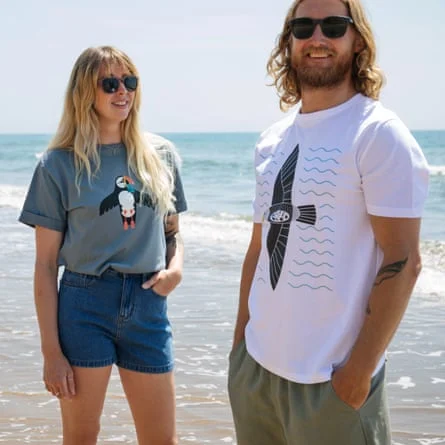
In the intricate world of fashion, where global supply chains crisscross continents and production costs are constantly squeezed, the question of whether a higher price tag equates to a more ethically produced garment is a pervasive one for conscious consumers. Industry experts and investigative bodies largely concur on a counter-intuitive answer: in short, no. While a premium price might suggest superior quality or ethical practices, investigations into fashion companies’ supply chains and employment records reveal that monetary outlay alone does not necessarily purchase a clear conscience.
The Unreliable Price Tag: Unpacking Ethical Production in Fashion
The prevailing wisdom among those who scrutinize the fashion industry is that price is an unreliable indicator of a brand’s commitment to ethical production. Gordon Renouf, a co-founder of the influential website Good on You, which meticulously rates approximately 7,000 brands based on their published policies concerning worker treatment, animal welfare, and sustainability credentials, states unequivocally, "Our ratings show that price is not a reliable indicator of ethical production." Renouf further elaborates that "many luxury and premium brands charge significantly more without demonstrating evidence of that value flowing to workers or environmental practices." This highlights a significant disconnect between perceived value and actual operational ethics.
The components contributing to a garment’s retail price are multifaceted and often opaque. Dr. Eleanor Scott, a lecturer in fashion design, creative knit, and innovation at the University of Leeds, explains that "a higher retail price can reflect many things." These often include substantial investments in "branding, marketing, retailer margins – rather than necessarily better labour or environmental standards." This means that a consumer might be paying for the prestige of a brand, the cost of elaborate advertising campaigns, or the profit margins of various intermediaries, rather than ensuring fair wages for garment workers or sustainable manufacturing processes. The complex, multi-tiered nature of modern fashion supply chains makes it challenging for consumers, and sometimes even brands themselves, to fully trace the journey of a garment from raw material to retail shelf, obscuring the true conditions under which it was made.
Beyond Cost: Durability, Sustainability, and the True Value

Beyond ethical considerations regarding labor and environment, the concept of sustainability is intrinsically linked to a product’s longevity. A garment that lasts longer reduces the frequency of replacement, thereby decreasing overall consumption and waste. Research conducted by the University of Leeds in collaboration with the Waste Resource Action Programme (WRAP) provided compelling evidence that price has no bearing on durability, a crucial factor in assessing a product’s sustainability. Their findings revealed that among the top 10 best-performing T-shirts tested for durability, six cost less than £15. These affordable options significantly outperformed many more expensive versions, including one T-shirt priced at a staggering £395. This data directly challenges the assumption that higher-priced items inherently offer better quality or are more sustainable due to their longevity.
The rise of "fast fashion" over the past two decades has profoundly impacted both product durability and consumer habits. Characterized by rapid production cycles, low prices, and trend-driven designs, fast fashion has encouraged a culture of disposability. The environmental consequences are stark: globally, an estimated 92 million tonnes of textile waste are generated annually, with a significant portion ending up in landfills, where synthetic fibers can take hundreds of years to decompose. Even natural fibers often degrade slowly in anaerobic conditions, releasing methane, a potent greenhouse gas. By emphasizing durability, consumers can actively counteract this cycle, extending the life of garments and reducing their environmental footprint, irrespective of the initial purchase price. WRAP, a UK-based charity, plays a vital role in addressing this issue by working with businesses, individuals, and communities to reduce waste and develop sustainable resource use. Their research underscores the importance of quality and longevity over fleeting trends and inflated prices in the pursuit of genuine sustainability.
The Perilous Price Floor: When "Too Cheap" Signals Exploitation
While a high price offers no guarantee of ethical production, there is a unanimous consensus among experts that a very low price serves as a strong warning sign. Gordon Renouf articulates this nuanced position: "A higher price is no guarantee, but a very low price is a strong warning sign." This threshold indicates a point below which it becomes logistically and economically challenging for a product to be made ethically, considering the costs of raw materials, production, and, crucially, ensuring workers earn a fair wage throughout the supply chain.
Ellie Gaffney, a senior engagement manager at the Better Cotton Initiative, an organization dedicated to improving conditions for workers and promoting sustainability within the cotton industry, elaborates on the complexities. She notes that putting a precise number on this "too cheap to be ethical" threshold is difficult due to numerous variables, including retailers’ buying power. A large company, for instance, might leverage its immense purchasing volume to acquire materials at a lower cost. Consequently, Gaffney states, "It would be impossible to state a single price that is ‘too cheap to be ethical’." However, she offers a pragmatic guideline for consumers: "if a price point feels too good to be true, it probably is." This sentiment is echoed by Renouf, who points out that while Good on You has not published a specific price floor, "our ratings consistently show that low-priced fast fashion fails on labour and environmental grounds. A £3 or £5 T-shirt cannot accommodate living wages and responsible materials sourcing."
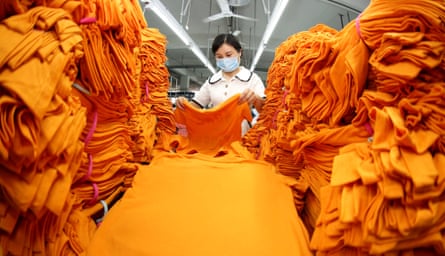
The stark reality is that such rock-bottom prices often necessitate the externalization of costs – meaning the true social and environmental expenses of production are borne by vulnerable workers and the planet, rather than being reflected in the retail price. Achieving a living wage, which is distinct from a minimum wage and is defined as enough to afford a decent standard of living, remains a significant challenge in many garment-producing regions. When T-shirts are sold for prices equivalent to a cup of coffee, it strongly suggests that corners have been cut, likely at the expense of fair labor practices, safe working conditions, and environmentally sound manufacturing. This model often relies on exploitative labor, inadequate safety measures, and unsustainable resource depletion, fueling a cycle of poverty and environmental degradation.
Navigating the Ethical Landscape: Brands and Business Models
Despite the widespread challenges, the industry is not devoid of brands striving for ethical production at various price points. Renouf highlights Yes Friends, a UK brand that has earned Good on You’s highest "great" rating. Their basic unisex T-shirt starts at an accessible £12, with other styles also available at competitive prices. Yes Friends achieves this balance through a strategic business model: "They achieve competitive pricing through relatively large-scale production, low margins and direct-to-consumer sales," Renouf explains. This approach minimizes intermediary costs and allows them to pass on savings while maintaining ethical standards.
However, Renouf also offers a cautionary note: "While this example suggests that ethical production and affordable retail pricing are not mutually exclusive when a business model is designed around it, we don’t want to underestimate the challenges faced by more sustainable and ethical brands." Building and maintaining an ethical supply chain demands significant investment in transparency, auditing, and fair labor practices, which inherently adds to production costs.
Other UK brands that have achieved high Good on You ratings, reflecting their commitment to ethical and sustainable practices, include Rapanui, which offers T-shirts from £18; Brothers We Stand, with T-shirts starting at £20; THTC, whose hemp T-shirts begin at £30; and Not Basics, with T-shirts priced at £29.99. Renouf observes, "While these are well below luxury prices, they are well above many high street competitors." This difference in pricing reflects the "true cost of fashion" – the cost associated with ensuring fair wages, safe working conditions, environmentally responsible material sourcing, and sustainable manufacturing processes, rather than simply maximizing profit through the cheapest possible production. These brands often invest in certifications, use organic or recycled materials, and maintain closer relationships with their suppliers, all of which contribute to a higher, yet justifiable, price point.
Scrutiny and Disparity: Brand Ethics Under the Microscope
The disparity between price and ethical performance becomes even more apparent when specific brands are subjected to ethical scrutiny. Emma Nicholas, a researcher at The Good Shopping Guide, undertook a comparative analysis of ethical ratings for the purpose of this article, revealing scenarios where highly rated companies offered T-shirts at prices comparable to or even lower than their less ethically sound rivals.

A notable comparison involved activewear brands Sweaty Betty, Tala, and Lululemon. All three retailers market T-shirts within a similar price range, typically starting between £30 and £35. However, their ethical performance scores vary dramatically. Tala, a brand known for its commitment to sustainability and ethical production, achieved an impressive score of 88 out of 100 from The Good Shopping Guide. In stark contrast, Lululemon, despite offering T-shirts priced up to £98, scored a mere 36. Sweaty Betty fared similarly, receiving a score of 34. This stark difference underscores the fact that a higher price tag, or even a brand’s premium market positioning, does not automatically translate into ethical superiority.
Following the publication of these findings, a spokesperson for Sweaty Betty issued a statement asserting the company’s "commitment to the highest standards within its supply chain," and expressed a belief that "the data gathered in this report is largely incorrect or out of date." Lululemon, when approached for comment, did not provide a response. Such discrepancies and reactions highlight the ongoing challenge of transparency in the fashion industry and the critical need for independent ethical assessments. For consumers, this reinforces the message that brand image and price can be deceptive, necessitating deeper investigation into a company’s actual practices and verifiable commitments.
Certifications and Consumer Empowerment: Tools for Ethical Choices
For consumers seeking tangible assurances of ethical production, certifications offer a valuable, albeit not exhaustive, guide. Alex Crumbie, a researcher at Ethical Consumer, emphasizes the benefits of choosing certified organic cotton. "Organic is better for the environment and the workers making the clothes – organic certification requires basic workers’ rights to be upheld," Crumbie explains. Crucially, organic production prohibits the use of harmful pesticides, which are detrimental not only to the environment but also pose significant health risks to agricultural workers.
However, Crumbie also points out a critical limitation: "It doesn’t cover the whole supply chain. It isn’t a full guarantee that workers’ rights have been respected throughout." For example, while the cotton farming might be certified organic and fair, the subsequent stages of production, such as spinning, weaving, dyeing, and stitching, might not fall under the same certification umbrella, potentially leaving workers in those segments vulnerable.
To navigate this complexity, consumers can look for a combination of certifications. The Global Organic Textile Standard (GOTS) is a leading worldwide standard for textiles made from organic fibers, ensuring environmental and social criteria throughout the supply chain, from harvesting of the raw materials through environmentally and socially responsible manufacturing to labeling. Fair Trade certification specifically focuses on ensuring fair prices, decent working conditions, and local sustainability for farmers and workers in developing countries. OEKO-TEX certifies that products are free from harmful substances, focusing on consumer safety rather than social or environmental impact of production. More holistic certifications like B Corp go further, assessing a company’s entire social and environmental performance.
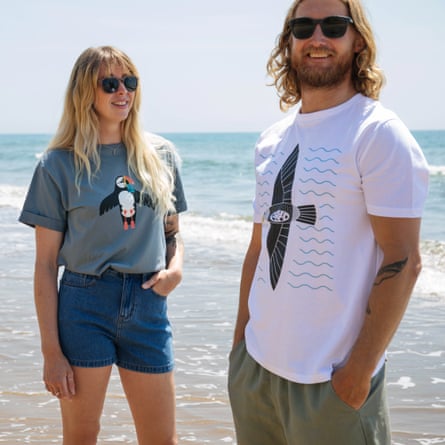
Ultimately, empowered consumer choices extend beyond simply seeking certified products. Crumbie suggests that one of the most impactful actions consumers can take, irrespective of price point, is to buy secondhand. "Buying secondhand is a great option because you are not increasing demand for new, unethically made clothing. It is also usually more affordable," he says. This approach maximizes the life cycle of existing garments, diverting them from landfills and reducing the environmental and social impact associated with new production. Other strategies include buying fewer items, investing in high-quality pieces designed for longevity, learning basic mending skills, and actively researching brands using resources like Good on You, Ethical Consumer, and The Good Shopping Guide.
The Future of Fashion: Shifting Paradigms for a Sustainable Industry
The ongoing debate about price and ethics signals a broader paradigm shift within the fashion industry. There is increasing pressure for brands to adopt greater transparency and traceability across their entire supply chains, driven by both consumer demand and emerging regulatory frameworks. Initiatives like the European Union’s textile strategy and proposed supply chain due diligence laws aim to hold companies accountable for human rights and environmental impacts throughout their operations.
For brands, the challenge lies in re-engineering business models to integrate ethical and sustainable practices without pricing themselves out of the market or resorting to greenwashing. This often involves significant investment in responsible sourcing, fair labor audits, and innovative, eco-friendly manufacturing technologies. The evolving consumer landscape, marked by a growing awareness of social and environmental issues, is proving to be a powerful catalyst for change. As more consumers prioritize values beyond mere aesthetics and cost, brands are compelled to respond, moving towards a future where ethical fashion is not a niche segment but the industry standard.
While the notion that a higher price automatically guarantees an ethically made T-shirt has been thoroughly debunked, the conversation around pricing remains crucial. It helps to educate consumers on the true cost of clothing, the complexities of global supply chains, and the impact of their purchasing decisions. In the absence of a simple price indicator, informed choices, supported by robust research and a commitment to sustainability, remain the most effective tools for consumers to contribute to a more just and environmentally responsible fashion industry.