Johny Marice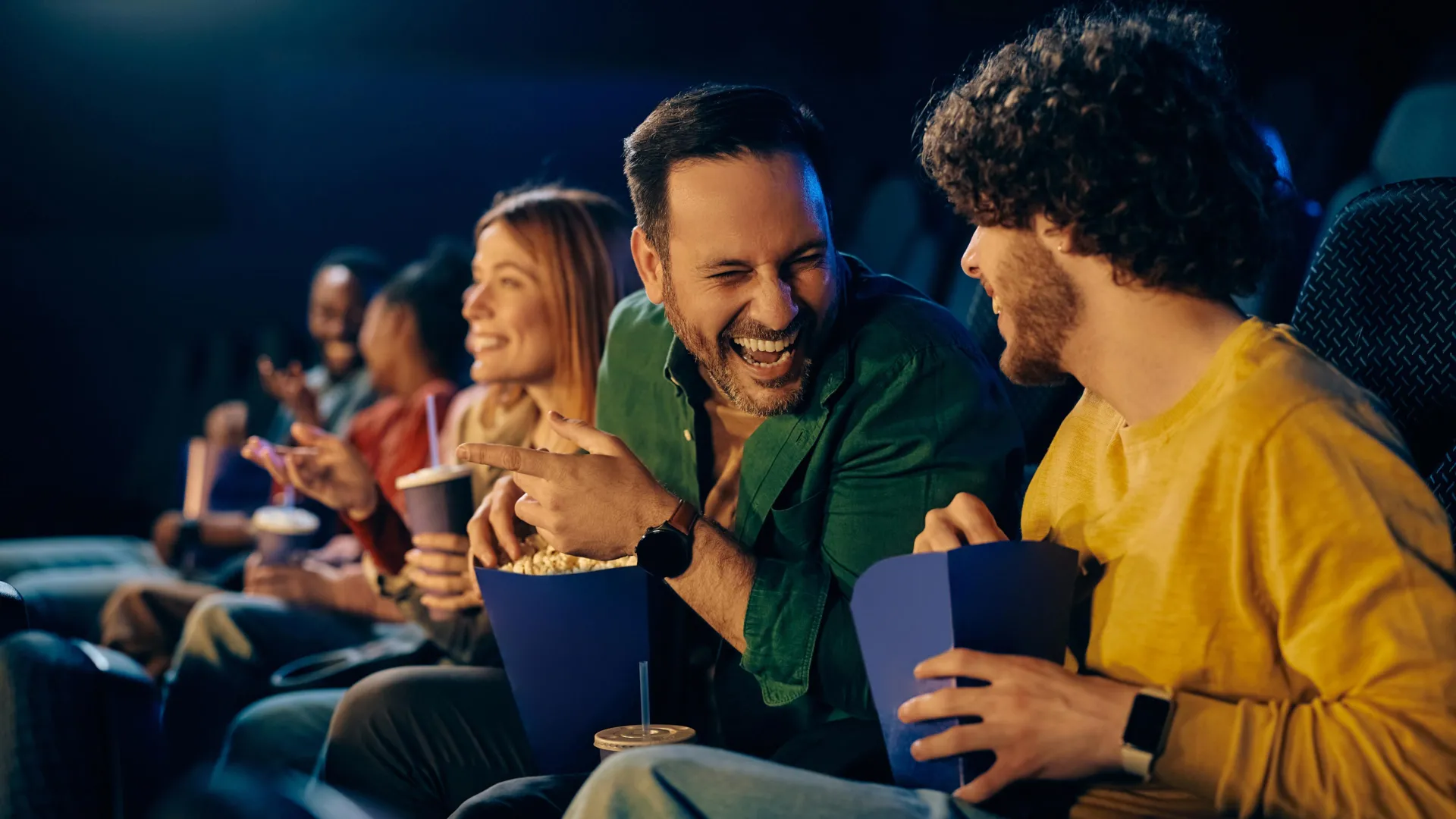
People who regularly immerse themselves in the arts – visiting museums, attending theater performances, enjoying concerts, and catching the latest films – may be unknowingly investing in a more youthful physiological future. A groundbreaking new study suggests that these enriching cultural pursuits are not merely sources of entertainment but are intrinsically associated with a younger physiological age. This means that the very biological machinery of their bodies may be functioning with the efficiency and resilience typically seen in younger individuals.
The findings, recently published in the prestigious Journal of Epidemiology and Community Health, add significant weight to the growing body of scientific evidence underscoring the profound impact of sustained social and cultural engagement on the process of healthy aging. This research moves beyond simply correlating activity with well-being, delving into the tangible biological markers of aging.
Understanding Physiological Age vs. Chronological Age
While the passage of time is inevitable, leading to a person’s chronological age, the rate at which our bodies age can be remarkably varied. Physiological age, a concept that measures how well the body’s systems are functioning, can diverge significantly from one’s chronological age. This distinction is crucial in understanding the nuances of healthy aging, where the quality of years lived is as important as the quantity.
Prior research has consistently highlighted a connection between cultural activities – such as attending movies, visiting museums, and experiencing live performances – and improved health outcomes and overall well-being among older adults. However, the precise relationship between these activities and the underlying biological processes of aging has remained a less explored territory. This new study aims to bridge that gap, offering longitudinal data that accounts for enduring personal characteristics.
Pioneering Longitudinal Research from Japan
Researchers at the Institute of Science Tokyo in Japan have undertaken what they describe as the first longitudinal study specifically designed to investigate the link between cultural engagement and physiological aging. A key strength of their methodology lies in its ability to account for unmeasured factors that remain stable over time, such as inherent personality traits or genetic predispositions, which could otherwise confound the results. This rigorous approach allows for a more precise understanding of the direct influence of cultural activities.
The study meticulously analyzed data from a substantial cohort of 1,899 adults who were participants in the English Longitudinal Study of Ageing (ELSA). ELSA is a well-established, ongoing population-based study that provides a nationally representative sample of adults aged 50 and older residing in England. This broad and representative sample is vital for ensuring the generalizability of the findings.
The Chronology of Data Collection and Measurement
Participants contributed valuable data across multiple survey waves, providing a rich historical record. These waves were conducted at distinct intervals: the first in 2004/2005, followed by a second in 2006/2007, and a third in 2008/2009. This multi-year collection period allowed researchers to observe changes and establish associations over time, a hallmark of robust longitudinal research.
To quantify physiological age, a sophisticated measurement protocol was employed. Trained nurses assessed ten key indicators of physical health. These indicators included:
- Pulse Pressure: The difference between systolic and diastolic blood pressure, a marker of arterial stiffness.
- Diastolic Blood Pressure: The lowest blood pressure reading between heartbeats, reflecting the pressure in arteries when the heart rests.
- Forced Expiratory Volume (FEV1): A measure of lung function, indicating how much air can be forcefully exhaled in one second.
- Hemoglobin Concentration: The amount of hemoglobin in the blood, essential for oxygen transport.
- Fibrinogen: A protein involved in blood clotting, elevated levels can indicate inflammation.
- Glycated Hemoglobin (HbA1c): A measure of average blood sugar levels over the past two to three months, indicative of diabetes risk.
- Low-Density Lipoprotein (LDL) Cholesterol: Often referred to as "bad" cholesterol, high levels are associated with cardiovascular disease.
- Body Mass Index (BMI): A measure of body fat based on height and weight, used to assess weight categories.
- Grip Strength: An indicator of muscle mass and overall physical function.
- Walking Speed: A key determinant of mobility and a predictor of mortality.
These ten distinct measurements were then integrated into a single, comprehensive physiological age score. This composite score provides a holistic assessment of an individual’s biological functioning, moving beyond any single health metric.
Concurrently, participants were asked to report the frequency of their engagement in specific cultural activities. This included attending:
- The cinema (movies).
- A museum or art gallery.
- A theater, concert, or the opera.
Each activity was assigned a score on a scale ranging from 0 (indicating never attending) to 5 (indicating attending twice a month or more). By summing these scores across the different cultural domains, researchers calculated a total cultural engagement score, which spanned a range of 0 to 15. This scoring system allowed for a nuanced appreciation of the breadth and depth of an individual’s cultural participation.
The Striking Correlation: Higher Cultural Engagement, Younger Bodies
The results of this meticulous analysis revealed a compelling and statistically significant association. Individuals who reported higher levels of cultural engagement – defined in the study as participating in cultural activities at least every few months – exhibited an average physiological age of 66.9 years. In stark contrast, those with lower levels of participation demonstrated an average physiological age of 69.9 years. This represents a notable difference of approximately three years in biological age, suggesting that regular cultural immersion can contribute to a body that functions as if it were three years younger.
Furthermore, the study identified a cluster of characteristics that were more prevalent among participants with higher cultural engagement. These individuals were more likely to be women, to possess higher socioeconomic status, to be employed, and to already report better overall health. These are important demographic and health factors that often influence health outcomes, and their inclusion in the analysis allows for a clearer isolation of the effect of cultural activities.
Crucially, after adjusting for a range of potentially confounding factors such as household income, employment status, and the presence of chronic health conditions, the researchers continued to observe a strong link. Their sophisticated statistical models indicated that for every one-point increase in the cultural engagement score, there was a corresponding reduction of 0.085 years in physiological age. This translates to a biological "rejuvenation" of approximately 31 days for each incremental step up in cultural participation. This level of precision underscores the tangible biological impact of these activities.
Unraveling the Mechanisms: Why Do Cultural Activities Matter?
The researchers have proposed several plausible explanations for this observed association, offering insights into the complex interplay between culture, lifestyle, and biology. One primary hypothesis centers on the role of cultural activities in fostering and strengthening social connections. Engaging in shared experiences, whether it’s discussing a play with friends or attending a concert with a partner, can combat social isolation, a known detriment to both mental and physical health. Strong social networks are consistently linked to better health outcomes and slower aging.
Moreover, cultural engagement can serve as a catalyst for adopting and maintaining healthier lifestyle habits. For instance, planning a trip to an art exhibition might encourage more overall physical activity, or attending a documentary screening could spark interest in health-related topics. The mental stimulation inherent in absorbing art, music, or theater can also contribute to cognitive vitality and reduce stress, both of which are crucial for slowing down physiological aging. A stimulated mind is often associated with a healthier body.
The researchers acknowledge the observational nature of their study, meaning it cannot definitively prove causation. It is possible that healthier individuals, possessing more energy and resources, are simply more inclined and able to participate in cultural events. This concept, known as reverse causation, is a standard consideration in epidemiological research. However, the authors emphasize that even if reverse causation plays a role, the findings still hold significant implications.
Public Health Implications and Future Directions
Despite the nuances of establishing direct causality, the researchers argue that cultural engagement represents a modifiable behavior that could be integrated into effective public health strategies. The impact observed in their study is substantial, with the authors noting that the benefits can be "comparable to frequent physical activity." This comparison is particularly striking, given the widespread recognition of exercise as a cornerstone of healthy aging.
The study’s authors also highlight the importance of accessibility. They suggest that efforts to make cultural events more geographically and financially accessible could significantly broaden participation. Reducing barriers related to transportation, ticket prices, and location could allow a larger segment of the population, particularly those from less privileged backgrounds, to reap the potential biological benefits. This aligns with broader public health goals of promoting equity and well-being across all demographics.
Looking ahead, the researchers underscore the need for further investigation. Additional longitudinal research is required to definitively determine whether actively encouraging greater cultural engagement leads to lasting improvements in health and a sustained slower rate of aging over the long term. Such studies could involve intervention programs designed to boost cultural participation and track subsequent health markers.
The implications of this research extend beyond individual choices. It suggests a societal imperative to support and promote the arts, not just for their intrinsic cultural value, but also for their potential to contribute to the public health and longevity of the population. As societies grapple with an aging demographic, understanding and leveraging all available tools for promoting healthy aging becomes increasingly vital. This study offers a compelling new perspective, suggesting that the symphony of a concert hall or the quiet contemplation of a gallery may be contributing to the symphony of a well-functioning, biologically younger body. The arts, it seems, are not just for the soul, but for the cells as well.