Danny Garick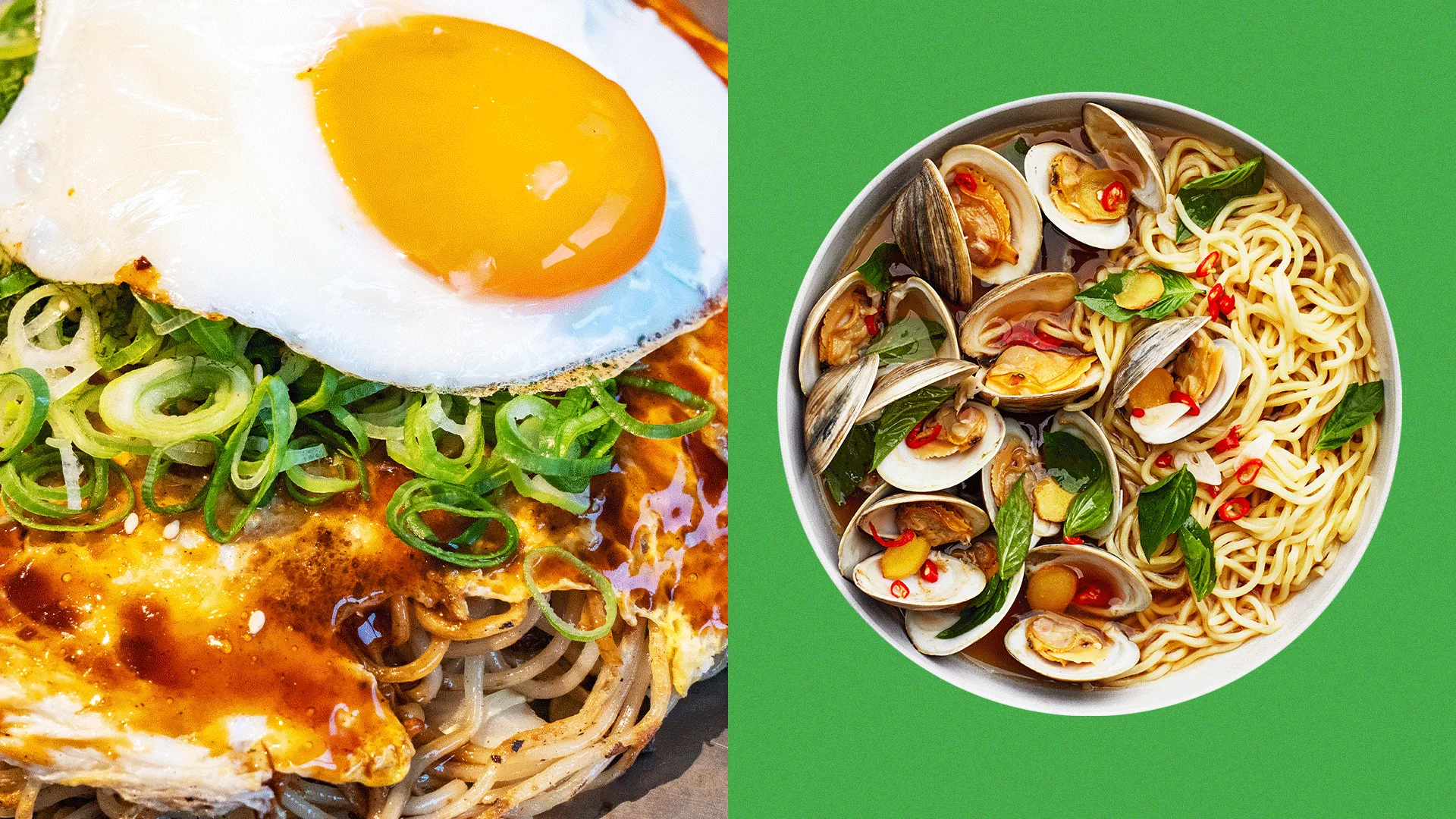
The instant noodle, once regarded primarily as a utilitarian staple for students and a survivalist resource for those on a strict budget, has undergone a significant cultural and culinary metamorphosis. Market data from the World Instant Noodles Association (WINA) reveals that Americans consumed more than five billion servings of instant noodles in 2024, a figure that underscores the product’s ubiquity in the modern domestic diet. This surge in consumption is accompanied by a burgeoning movement among culinary professionals and home cooks to move beyond the traditional preparation methods outlined on vacuum-sealed packaging. Rather than adhering to the standard "add boiling water and wait" protocol, a new wave of gastronomic interest is focusing on the "upgrading" or "hacking" of instant ramen, transforming it into a versatile base for complex, high-quality meals.
Historical Context and the Evolution of a Global Staple
The origins of the instant noodle industry trace back to 1958, when Momofuku Ando, the founder of Nissin Foods, developed "Chikin Ramen" in post-war Japan. Designed to address food shortages and provide a quick, nutritious meal to a recovering population, the product was initially considered a luxury item. However, the introduction of "Cup Noodles" in 1971 revolutionized the global market by integrating the cooking vessel with the product itself.
By the late 20th century, mass production techniques—including deep-frying for dehydration and later, air-drying—lowered costs to the point of global accessibility. In the United States, brands like Maruchan and Nissin became synonymous with the "starving artist" or "dorm room" lifestyle. However, the 2020s have seen a pivot. According to industry analysts, the "premiumization" of the instant noodle market has been driven by a combination of economic factors and a shift in consumer palate. As inflation impacted grocery prices, consumers sought "affordable luxuries," leading to the rise of gourmet instant brands and a renewed interest in artisanal preparation at home.
Statistical Analysis of the 2024 Market Surge
The World Instant Noodles Association’s 2024 report indicates that global demand has reached an all-time high, exceeding 120 billion servings annually. While China, Indonesia, and Vietnam remain the top three consumers by volume, the United States has seen the most significant growth in the "premium" segment.
Several factors contribute to this 5-billion-serving milestone in the U.S.:
- Economic Pressures: As the cost of dining out rose by an average of 5.1% in the last fiscal year, shelf-stable, low-cost carbohydrates became a primary pantry filler.
- Product Innovation: The introduction of non-fried, air-dried noodles and gluten-free alternatives has expanded the consumer base to health-conscious demographics.
- Social Media Influence: Platforms like TikTok and Instagram have popularized "Ramen Hacks," where users share techniques for enhancing broth and texture.
Industry data suggests that the "add-in" economy—where consumers purchase instant noodles as a base and then spend additional funds on fresh produce, proteins, and specialty sauces—now represents a multi-million dollar secondary market within the grocery sector.
Professional Culinary Perspectives on Noodle Elevation
The culinary establishment has increasingly embraced the instant noodle as a legitimate medium for creative expression. Peter J. Kim, author of Instant Ramen Kitchen, posits that the engineered nature of the noodle—specifically its ability to maintain structural integrity under various heat conditions—makes it an ideal candidate for experimental cooking.
Culinary editors and test kitchen professionals have identified several key methodologies for elevating the product from a snack to a structured entree. These techniques often involve a departure from the provided seasoning packet, which is frequently criticized for high sodium content and a lack of depth.
Structural Transformation: The Hiroshima-Style Approach
One of the most technically involved methods of noodle elevation involves changing the physical state of the noodle itself. Senior food editors point to "Hiroshima-style Okonomiyaki" as a prime example. In this preparation, boiled ramen noodles are not served in broth but are instead fried in a non-stick skillet until they form a "golden and crackly" disc. This disc serves as the base for a savory pancake composed of shredded cabbage, carrots, and bean sprouts. The contrast between the crunchy, fried noodle and the chewy, vegetable-laden batter represents a significant departure from the soft texture associated with standard instant preparations.
Broth Fortification and Umami Enhancement
For those adhering to the traditional soup format, the focus has shifted toward "broth fortification." Professional chefs suggest using only half of the provided seasoning packet to reduce sodium, then supplementing the liquid with complex umami agents. Common additions include:
- Fish Sauce and Soy Sauce: These provide a deeper, more fermented saltiness than the powder alone.
- Aromatics: Grating fresh ginger or garlic directly into the boiling water adds volatile oils that are lost in the dehydration process of the original packets.
- Fats: The addition of sesame oil, chili crisp, or even an egg yolk at the final stage of cooking creates a luxurious mouthfeel, emulsifying the broth into a richer consistency.
The Fusion of Convenience and High-End Protein
The "premiumization" trend is perhaps most visible in the pairing of budget noodles with luxury proteins. Market observations show a rising trend in consumers using pre-cooked "nama" (fresh-style) noodles from retailers like Trader Joe’s or H-Mart and pairing them with high-end cuts of meat, such as filet mignon or lacy-edged fried eggs. This "high-low" culinary strategy allows consumers to enjoy a restaurant-quality meal at a fraction of the price, utilizing the noodle as a neutral, textural canvas for expensive fats and acids like ponzu or lime juice.
The Impact of the "Gourmet Instant" Brand Sector
The market has also seen the emergence of "designer" noodle brands such as Fly By Jing, Momofuku, and Mike’s Mighty Good. These products often retail for three to five times the price of standard Cup Noodles. They distinguish themselves through:
- Sourcing: Utilizing Sichuan peppercorns, sun-dried noodles, and organic ingredients.
- Texture: Focusing on "bouncy" sun-dried noodles rather than the porous, flash-fried variety.
- Complexity: Providing multi-part sauce packets that include oils, pastes, and dried aromatics rather than a single powder.
Olivia Tarantino, a senior commerce editor specializing in food trends, notes that these products bridge the gap between "emergency food" and a deliberate meal choice. By adding ingredients like caramelized ground pork, sugar snap peas, or tahini, consumers are effectively "zhuzhing" a pre-packaged product into a dish that rivals contemporary fast-casual dining.
Broader Socioeconomic Implications
The evolution of the instant noodle has broader implications for food security and urban planning. In "food deserts" where fresh produce is scarce, the ability to store shelf-stable noodles that can be easily supplemented with frozen vegetables (like spinach or peas) and tofu provides a vital source of nutrition.
Furthermore, the rise of the instant noodle reflects a "time-poverty" crisis in the modern workforce. As the boundary between work and home life blurs, the demand for meals that can be prepared in under ten minutes—but still offer the psychological satisfaction of a "cooked" meal—has become a permanent fixture of the economy. The "sick day noodle soup," often cited as a comfort food, demonstrates the emotional role these products play, serving as a modern equivalent to traditional chicken soup but with a significantly lower barrier to entry for the home cook.
Chronology of the Modern Ramen Movement
- 2010–2015: The rise of "Ramen-ya" culture in major U.S. cities (e.g., Ippudo, Momofuku Noodle Bar) creates a standard for what high-quality ramen should taste like.
- 2016–2019: The "spicy noodle challenge" goes viral, bringing international attention to Korean brands like Samyang and shifting consumer interest toward high-heat, brothless varieties.
- 2020–2022: Global lockdowns lead to a 14% spike in instant noodle sales as consumers stockpile non-perishables and begin experimenting with home cooking.
- 2023–2024: The "5 billion serving" milestone is reached in the U.S., accompanied by a surge in specialized cookbooks and a 20% increase in the "premium" instant noodle market share.
Conclusion and Future Outlook
The instant noodle industry is no longer a monolithic sector defined by cheap, fried snacks. It has branched into a sophisticated ecosystem of texture, flavor, and economic strategy. As we look toward the latter half of the decade, industry experts predict a continued focus on sustainability—specifically in reducing plastic packaging—and an increase in functional additives, such as noodles fortified with protein or fiber.
The transition from the "Cup Noodles" routine of the past to the "Hiroshima-style" or "tahini-infused" preparations of the present reflects a broader trend in American consumerism: the desire for efficiency without the sacrifice of quality. As five billion servings per year become the new baseline, the instant noodle has firmly established itself not just as a survival tool, but as a legitimate and enduring pillar of global gastronomy.