
 Ferry Irwandi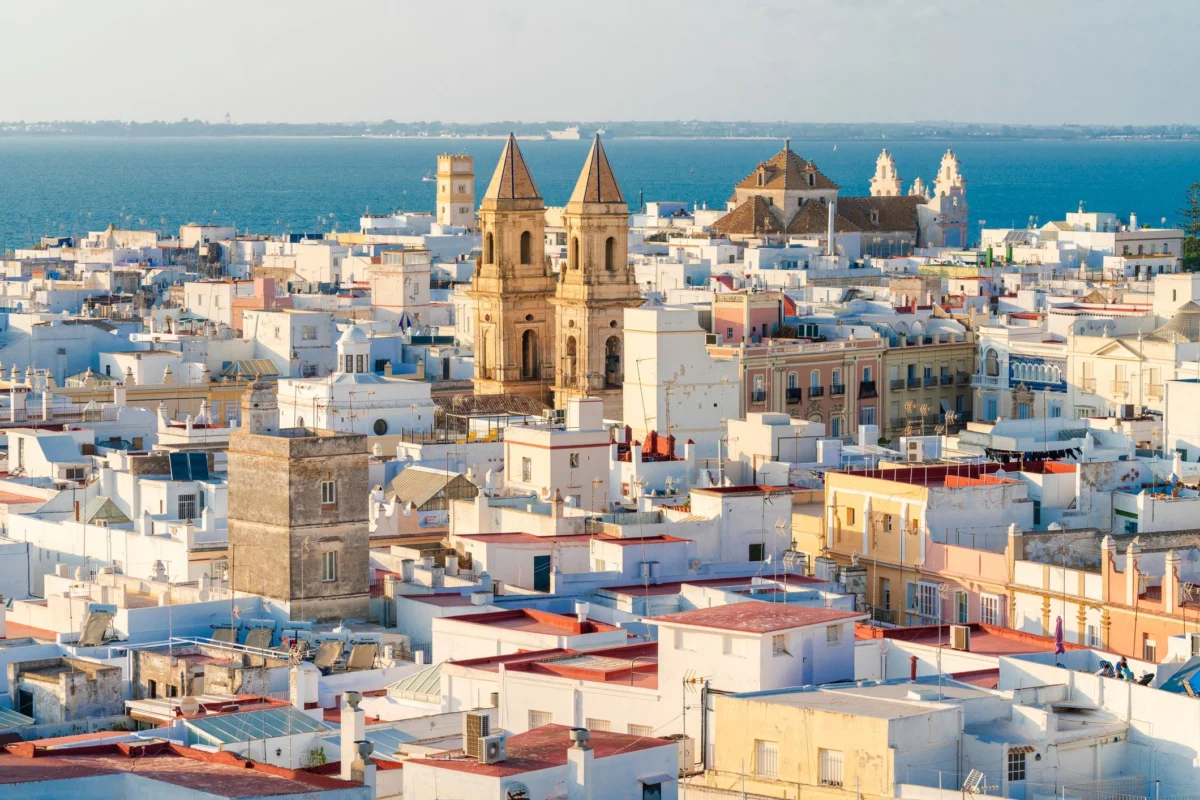
While San Sebastián traditionally dominates conversations regarding Spain’s premier gastronomic destinations—boasting one of the highest concentrations of Michelin stars per capita in the world—western Europe’s oldest continually inhabited city offers an equally formidable, yet largely overlooked, culinary landscape. Cádiz, an ancient Andalusian coastal hub often eclipsed by high-profile neighbors like Seville and Granada, sits within a province celebrated globally for its bluefin tuna, sharp vinegars, and world-class sherry. Although acclaimed avant-garde establishments like chef Ángel León’s three-Michelin-starred Aponiente in El Puerto de Santa María have previously thrust the region onto the international fine-dining stage, the everyday food culture of Cádiz and its surrounding territory represents a rich, deep-rooted culinary heritage that spans millennia.
Historical Roots and the Geography of Flavor
Founded approximately around 1200 B.C. by the Phoenicians as Gadir, Cádiz occupies a unique geographical position. The old town sits upon an island-like inlet linked to the Spanish mainland by a long, narrow sandy peninsula. Weathered by Atlantic winds and sea spray, its pastel-colored architecture and labyrinthine cobbled streets have earned the city the affectionate moniker "Spain’s little Havana."
This maritime exposure shapes a local diet anchored heavily in the bounty of the Atlantic Ocean. The province’s gastronomic identity, however, extends far beyond the city limits into an interconnected network of specialized culinary towns. Jerez de la Frontera, celebrated for its historic bodegas, lively tabancos (traditional sherry taverns), and hearty tapas culture, was designated Spain’s Capital of Gastronomy. A short distance away on the banks of the Guadalquivir River lies Sanlúcar de Barrameda—completing the regional "sherry triangle" alongside Jerez and El Puerto—where exceptionally dry manzanilla sherry accompanies local langoustines and traditional Andalusian stews (guisos).
Further south in Barbate, fishermen utilize almadraba, a complex net-fishing technique dating back to the Phoenicians, to catch bluefin tuna so fresh that roughly 70 percent is exported directly to international markets, primarily Japan. Yet, within this broader provincial tapestry, the city of Cádiz remains the beating heart of local gastronomy.
The Epicenter: Mercado de Abastos and Neighborhood Food Culture
Daily culinary life in Cádiz revolves around the Mercado de Abastos, one of Spain’s oldest operating fresh food markets, established in 1838. Within its historic enclosure, local vendors—known as gaditanos—engage in lively commerce, trading shellfish, sardines, and prized cuts of tuna beneath the watchful eyes of coastal wildlife.
Beyond the traditional market stalls, the city embraces innovative approaches to localized dining. At Gadisushi, an unassuming sushi counter within the market ecosystem, culinary traditions converge as chefs prepare toro sashimi, prawn gyoza, and scallops with miso butter using Atlantic-caught seafood. For many residents, the ultimate market ritual involves purchasing fresh fish from vendors like Marisco Camilo and bringing the raw catch to nearby establishments such as Bar Carrusel, where kitchens will fry the fish for the price of a beverage cover charge.
The culinary heartbeat of the city pulses most vividly within La Viña, a palm-lined historic barrio. Here, venues like Taberna Casa Manteca—founded in 1953 and immortalized by international travel broadcasts and culinary guides—offer an authentic window into mid-20th-century Spain. Decorated with yellowing bullfighting photographs and vintage sherry advertisements, the tavern serves staples such as chicharrones (slow-roasted, seasoned pork belly served cold with a squeeze of lemon) paired with fino sherry, alongside local Payoyo goat cheese from the Sierra de Cádiz.

Similarly, traditional freidurías (historic fish-and-chip shops) like Freiduría Las Flores provide affordable, paper-wrapped parcels of fried cuttlefish (chocos) to locals and travelers alike, bridging the gap between humble street food and institutional dining.
Institutional Excellence and Modern Accolades
The gastronomic profile of Cádiz received formal international validation when Dutch chef León Griffioen and his wife and maître d’, Paqui Márquez, secured the city’s first Michelin star in 2023 at Código De Barra. Located in the old town, the intimate fine-dining establishment utilizes two tasting menus to interpret regional ingredients, celebrating prime local produce such as retinto beef and almadraba tuna.
Longstanding institutions continue to anchor the city’s reputation. El Faro, situated on the edge of the La Viña neighborhood, operates as both a bustling tavern for rapid-fire tapas at a marbled bar and a formal dining room featuring rustic azulejos tiles. Its signature dish, the tortillita de camarones—a paper-thin, crispy deep-fried prawn fritter made from a chickpea and wheat flour batter—remains a defining regional delicacy.
For oenophiles, venues like Taberna La Manzanilla, established in 1932, preserve historical viticulture. Operating strictly as a wine bar, the establishment features century-old wooden sherry casks where barmen continue the tradition of chalking customer tabs directly onto the wooden bar top.
Global Recognition in Artisanal Confections
The evolution of Cádiz as a multifaceted culinary destination extends into artisanal desserts. At La Cremeria Gelato Italiano, located near Victoria Beach, Venice-born master gelato maker Carlo Guerriero achieved international acclaim by securing the top global ranking in the Gelato Festival World Ranking, alongside a second-place finish in the Gelato Festival World Masters grand final.
Guerriero applies his academic background in industrial chemical engineering to precisely balance recipes using zero-kilometer ingredients, such as fresh milk from Conil and Payoyo cheese, combined with imported elements like South American cocoa and Bronte pistachios. The gelateria’s signature creation, "Sherrymisú," reinterprets the classic Italian dessert using regional Jerez wine, offering vegan, gluten-free, and lactose-free alternatives to meet contemporary dietary demands.
Broader Economic and Tourism Implications
The steady rise of Cádiz as an elite culinary destination carries significant socioeconomic implications for the wider Andalusian region. Historically overshadowed by the architectural and cultural prominence of Seville and Granada, the province of Cádiz is increasingly benefiting from specialized culinary tourism.
Local tourism boards and regional stakeholders note an increase in visitors seeking immersive, authentic gastronomic experiences over traditional mass tourism. This shift supports sustainable supply chains, from artisanal cheese makers in the Sierra de Cádiz to generational fishermen practicing sustainable almadraba techniques in Barbate. By diversifying its economic reliance away from conventional coastal tourism and toward high-value gastronomy, Cádiz is successfully cementing its status as an indispensable pillar of modern Spanish cuisine.









