
 Ferry Irwandi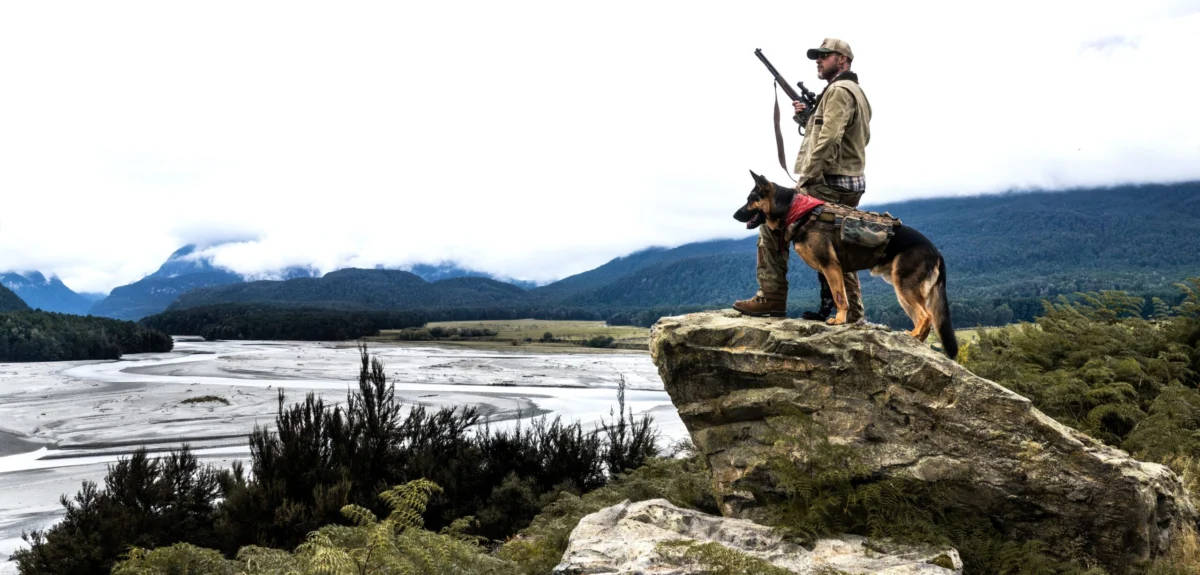
The grueling realities of cinematic wilderness survival have long tested the physical and mental limits of Hollywood’s top talent, but Paramount Pictures’ upcoming survival drama Heart of the Beast introduces a distinctly logistical and geographic feat. Directed by David Ayer and starring Brad Pitt as former special forces officer Sergeant Major James Belmont, the film tracks a perilous 58-mile trek through the unforgiving Alaskan backcountry after a catastrophic small-plane crash during a camping trip. Stranded alongside his retired military dog, Odin—portrayed across production by four distinct canines, including a lead dog named Uber—Belmont must navigate extreme isolation, sub-zero temperatures, and predatory wildlife to survive.
Yet, for all its narrative grounding in the rugged expanse of the American North, the production did not set up base camps in Alaska. Instead, Ayer, production designer Greg Berry, and a hundred-person crew undertook a massive international undertaking, transforming the dramatic topography of New Zealand’s South Island into a convincing facsimile of the Land of the Midnight Sun. The result is a high-stakes visual tapestry that marries on-location natural brutality with state-of-the-art studio craftsmanship, offering an inside look at how modern blockbusters construct wild, untamed environments.
Production Chronology and Logistics
The genesis of Heart of the Beast required a tightly compressed, high-intensity schedule. Principal photography spanned a brisk 45-day window, a remarkably condensed timeline for an action-heavy survival feature shot entirely across remote, hazardous terrain. According to director David Ayer, the accelerated schedule contributed significantly to the film’s gritty, boots-on-the-ground aesthetic, imbuing the project with a documentary-style immediacy.

The chronology of the shoot was dictated by both weather volatility and the remote accessibility of New Zealand’s South Island. Pre-production began months prior, with Greg Berry spearheading the scouting and construction of practical sets in both Queenstown and Auckland. Shooting kicked off in the rugged valleys around Glenorchy, utilizing the dramatic backdrops of the Earnslaw Burn and Lake Wakatipu for the opening sequences. As the schedule progressed, the unit shifted rapidly between high-altitude alpine zones, private ski reserves, and indoor water tanks at Kumeū Film Studios, culminating in complex tactical flashback sequences on studio backlots designed to mimic Afghan villages.
The Geography of Deception: Recreating Alaska in Otago
Choosing New Zealand over Alaska was driven by a combination of tax incentives, logistical predictability, and the staggering visual versatility of the Otago region. However, capturing the specific mood of the Alaskan frontier required meticulous art direction. Berry’s primary objective was to establish a visual language that mirrored the psychological state of the protagonists, utilizing contraction and expansion within the framing of the landscape.
"We wanted there to be moments of lightness and darkness," Berry explains. "There’s a lot of visual expansion and contraction in the visual storytelling depending on where we are in their travels. We were always using the landscape to help tell the story."
The journey begins in the air. Belmont and Odin arrive via a six-seater Cessna 185, sweeping across glacial formations that double for Alaska. To achieve this, the production deployed a specialized camera setup inside the aircraft, chased dynamically by a helicopter crew. Piloted by an experienced bush pilot capable of navigating unpredictable mountain wind shears and sunset turbulence, the aerial unit captured dramatic top-down perspectives of glacial crevasses—a visual that Ayer likens closely to the texture of elephant skin. The sequence utilized the Earnslaw Burn valley and Mount Earnslaw as its primary canvases.

Translating the Plane Crash from Air to Soundstage
One of the film’s most pivotal narrative catalysts—the plane crash itself—demanded an intricate mosaic of practical location work, aerial plates, and controlled studio environments. Because Lake Sylvan, chosen for the initial flight approach, was entirely inaccessible even by helicopter, the production utilized it strictly for aerial background plates. The actual crash site was anchored to a quiet beach at Lake Gunn.
However, the more dangerous elements of the sequence were moved indoors. Paramount Pictures constructed a specialized water tank at Kumeū Film Studios in Auckland, where a practical plane was deliberately submerged and crashed. This hybrid approach allowed the filmmakers to capture visceral close-ups of Pitt navigating icy waters without subjecting the cast and crew to uncontrolled hypothermic risks for extended periods.
Following the aquatic escape, Belmont’s frantic search for Odin—who is separated from his handler during the chaotic landing—was filmed within the confines of the Invincible Snowfields, a private alpine ski resort. This high-altitude terrain also served as the physical setting for an early, tense encounter with regional wildlife, setting the tone for the escalating dangers of the trek.
Navigating Animal Welfare and Environmental Constraints

Working alongside canine actors introduced an unprecedented layer of coordination to the production. Because several key locations sat within ecologically protected zones featuring sensitive endemic wildlife, the dogs were required to undergo rigorous training before stepping onto set.
"There were a few locations we went to that are very protected and have protected wildlife," Ayer notes. "So the dogs had to go to wildlife school to make sure they wouldn’t chase anything around. I think there was a dog who didn’t pass the test, so he couldn’t come to some of the locations. They come to set just like any other actor—they go through hair and makeup and wardrobe, and they’re ready to work."
Furthermore, New Zealand’s strict biosecurity laws presented a distinct challenge for the depiction of apex predators. Because the country is entirely free of native land-based mammalian predators—hosting neither grizzly bears nor native wolf populations—the filmmakers were legally barred from importing live wolves or bears for the production. Consequently, intense sequences such as the climactic wolf pack attack were executed using a combination of practical grey-suited stunt performers and extensive computer-generated imagery (CGI) during post-production. Berry constructed an elaborate rocky bluff set at Kumeū Film Studios to entrap the actors, allowing the digital predators to be mapped realistically across the vertical terrain.
Practical Stunts and Physical Toll on Set
Survival dramas derive much of their narrative tension from the tangible exhaustion of their characters, a quality that Ayer and his crew extracted authentically from their lead actor. Brad Pitt’s physical commitment to the role involved navigating freezing waters, scaling steep riverbanks, and performing complex harness stunts over rushing torrents.

During the harrowing river-crossing sequence—where Belmont must coax Odin across two decaying logs suspended high above a rushing current—Berry engineered a custom set piece on a soundstage. Combining physical timber construction with background plates captured at Poutini’s Gorge in the Arahura River, the sequence required both Pitt and Uber the dog to be secured via safety lines.
"That kind of work is dangerous in its own right because you have actors up in the air," Ayer remarks. "At a certain point, Brad wasn’t acting because I think he is actually afraid of heights."
Ayer was quick to praise the actor’s unyielding endurance throughout the grueling 45-day shoot. "The biggest challenge was showing up every day knowing you were going to be exhausted and cold and on broken ground. Brad was an incredible inspiration. He was cold, wet, tired, hungry, but he never left the set. We wanted to capture Brad’s amazing work and not let him down because he really put it all out there."
Broader Industry Implications and Location Economics
The production of Heart of the Beast underscores the enduring reliance of major Hollywood studios on New Zealand’s robust infrastructure, skilled technical crews, and diverse geography. By utilizing regional hubs like Queenstown and Auckland, international productions pump millions of dollars into the local economy while circumventing the prohibitive weather windows and municipal restrictions often encountered in North American protected parks.

As streaming services and major studios increasingly demand high-fidelity cinematic realism, the ability of production designers like Berry to seamlessly blend practical soundstage environments—such as indoor swamp tanks and custom log-bridge rigs—with pristine aerial footage shot in the Southern Alps demonstrates a sophisticated evolution in physical-digital filmmaking. For audiences, the resulting illusion promises an uncompromising, visceral journey into the wild, anchored by human vulnerability and canine loyalty, all filmed thousands of miles away from the maps they claim to traverse.









