Danny Garick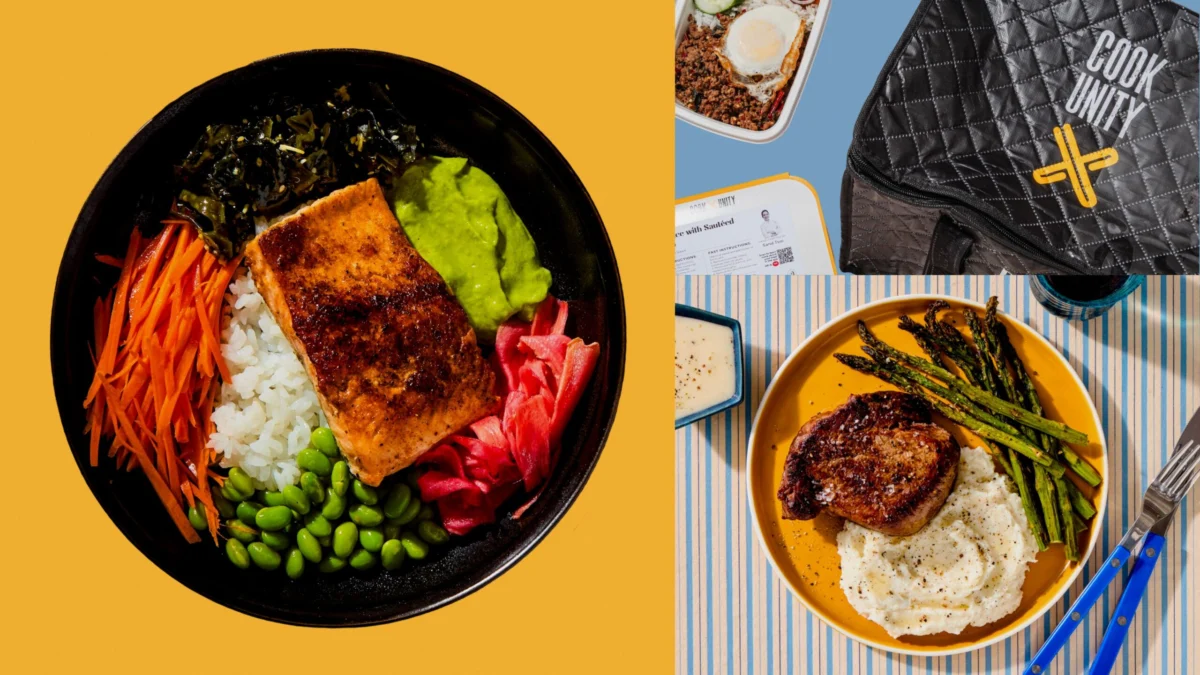
The direct-to-consumer meal industry has undergone a significant transformation over the last decade, transitioning from basic ingredient-and-recipe kits to sophisticated, chef-led prepared meal services. CookUnity has emerged as a prominent player in this evolving landscape, positioning itself as a "chef collective" that bridges the gap between high-end restaurant dining and the convenience of home delivery. By partnering with James Beard Award winners and Michelin-starred culinary professionals, the service seeks to solve a common dilemma for modern consumers: the desire for high-quality, diverse nutrition amidst increasingly inconsistent work schedules and frequent travel.
The Evolution of the Prepared Meal Market
To understand CookUnity’s position, one must examine the broader context of the meal kit industry. Initially dominated by brands like Blue Apron and HelloFresh, the market focused on providing raw ingredients and instructions. However, market data from the early 2020s indicated a shift in consumer behavior. A growing segment of the population reported "subscription fatigue" regarding the labor-intensive nature of traditional kits. According to industry reports, the "Ready-to-Eat" (RTE) segment of the meal delivery market has seen a compound annual growth rate (CAGR) significantly higher than traditional kits, as consumers prioritize time-saving solutions that do not sacrifice ingredient integrity.
CookUnity distinguishes itself by operating as a platform for chefs rather than a centralized industrial kitchen. This model allows established names in the culinary world, such as Marcus Samuelsson, Jose Garces, Marc Forgione, and Esther Choi, to scale their signature flavors to a national audience. For the chefs, the partnership offers a diversified revenue stream and brand expansion without the overhead of physical restaurant locations. For the consumer, it offers a rotating menu that reflects the specific culinary philosophies of these high-profile creators.
Operational Chronology: From Selection to Delivery
The consumer journey with CookUnity begins with a regionalized menu selection. Unlike services that ship from a single national hub, CookUnity utilizes regional kitchens to maintain freshness. Upon entering a zip code, users are presented with a menu that can exceed 350 options depending on the metropolitan area. The transparency of the platform is a key feature; each dish is accompanied by a biography of the chef, a full list of ingredients, and comprehensive nutritional facts.
The onboarding process requires users to specify dietary preferences, including protein choices and allergen avoidances. The service categorizes meals into various dietary frameworks, such as vegan, pescatarian, gluten-free, and more specialized options like the Mediterranean diet or GLP-1-balanced meals designed for metabolic health.
Once an order is placed, the logistics chain moves into a precise delivery window. Standard operations typically require a one-week lead time for the initial delivery. During the delivery phase, the company utilizes an insulated packaging system. Meals are stacked in a thermal bag equipped with heavy-duty ice packs, designed to maintain a food-safe temperature for several hours. This is a critical infrastructure component, as delivery windows can span up to 12 hours, often occurring while consumers are away from home. Communication is maintained through automated SMS updates, providing real-time tracking from the kitchen to the doorstep.
Quantitative Analysis of Cost and Value
Pricing for CookUnity follows a volume-based subscription model. On average, meals are priced at approximately $11, though this fluctuates based on the weekly commitment. For instance:
- 4 Meals per week: Approximately $13.50 per serving.
- 6 Meals per week: Approximately $12.29 per serving.
- 12 to 16 Meals per week: Prices can drop closer to the $10 mark.
When compared to the average cost of a mid-range restaurant entree—which typically ranges from $18 to $30 before taxes, delivery fees, and tips—CookUnity presents a significant cost reduction for "restaurant-quality" food. However, it remains more expensive than traditional grocery shopping and home cooking. The value proposition, therefore, is calculated not just in food costs, but in the "opportunity cost" of the 45 to 60 minutes typically required for meal preparation and cleanup.
Culinary Performance and Ingredient Integrity
The primary skepticism surrounding prepared meals often concerns the texture and flavor of reheated proteins and vegetables. CookUnity addresses this through specialized packaging that is both microwave- and oven-safe. The heating instructions are standardized across the menu—typically 12 to 15 minutes at 350°F for the oven or two to three minutes on high for the microwave—allowing for the simultaneous preparation of different dishes.

Field tests of the meals reveal high marks for technical execution:
- Proteins: High-risk items such as lobster and short ribs demonstrate surprising resilience. The lobster in the Sri Lankan curry maintains a tender texture, avoiding the rubberiness common in pre-cooked seafood. The red wine short ribs are engineered to achieve a "fall-off-the-bone" consistency that holds up through the chilling and reheating process.
- Starches: Rice dishes, often a failure point in frozen or chilled meals, are reported as fluffy and well-seasoned. The use of separate sauce containers allows consumers to control the moisture level, preventing grains from becoming waterlogged.
- Vegetables: While most vegetables retain a firm "crunch," some moisture migration is inevitable. In certain dishes, such as those involving whipped potatoes paired with water-heavy vegetables like Brussels sprouts, slight sogginess can occur.
The flavor profiles are notably more complex than standard "health food" delivery services. The use of fermented elements, such as gochujang in tofu bowls, and emulsified cashew sauces in vegan pastas, suggests a commitment to professional-grade seasoning.
Nutritional Profiles and Dietary Constraints
While the service offers a vast array of dietary options, including over 150 gluten-free and 120 vegetarian choices, the nutritional density varies. Because the meals are designed by restaurant chefs, they often prioritize flavor through the use of fats and oils. Consequently, some entrees can exceed 1,000 calories. This "restaurant style" of cooking is a double-edged sword; it provides the satisfying taste of a night out but may require more diligent monitoring for those on strict caloric deficits.
Furthermore, the shelf life of the meals is relatively short. Most dishes come with a "use-by" date within five days of delivery. Unlike frozen meal services, CookUnity does not provide specific instructions for freezing, as the meals are optimized for fresh consumption. This requires a level of scheduling discipline from the consumer to ensure that food waste is minimized.
Institutional Responses and Market Impact
Industry analysts view CookUnity’s model as a disruption to both the traditional meal kit sector and the third-party delivery app market (e.g., DoorDash, UberEats). By providing a week’s worth of high-end meals at once, the service eliminates the recurring fees and tips associated with daily ordering.
Chefs involved in the collective have expressed that the platform allows them to maintain a connection with their audience even as dining habits shift toward the home. For the culinary industry, this represents a "decentralization" of the restaurant. A chef based in New York can effectively "serve" a diner in a different region through the CookUnity infrastructure, provided there is a regional kitchen capable of executing the recipe to the chef’s specifications.
Broader Implications for the Future of Dining
The success of services like CookUnity reflects a broader societal shift toward "curated convenience." As urban professionals and busy families look to reclaim time, the outsourcing of culinary labor is becoming a standard middle-class utility rather than a luxury.
However, this shift also raises questions about the future of domestic skills. If high-quality, diverse meals are available at the touch of a button for $11, the incentive for younger generations to learn complex cooking techniques may diminish. Conversely, the service may act as an educational tool, exposing consumers to global flavors and ingredients they might not otherwise encounter.
In conclusion, CookUnity represents a sophisticated evolution in the food-tech space. It successfully delivers on its promise of restaurant-quality flavor and professional culinary craftsmanship, provided the consumer is comfortable with the subscription model and the inherent caloric richness of chef-led cooking. As the company continues to expand its roster of chefs and its regional kitchen footprint, it is likely to remain a benchmark for quality in the ready-to-eat market. For those seeking to balance a high-demand lifestyle with a refusal to compromise on the quality of their evening meal, CookUnity offers a viable, albeit premium, solution.