
 Johny Marice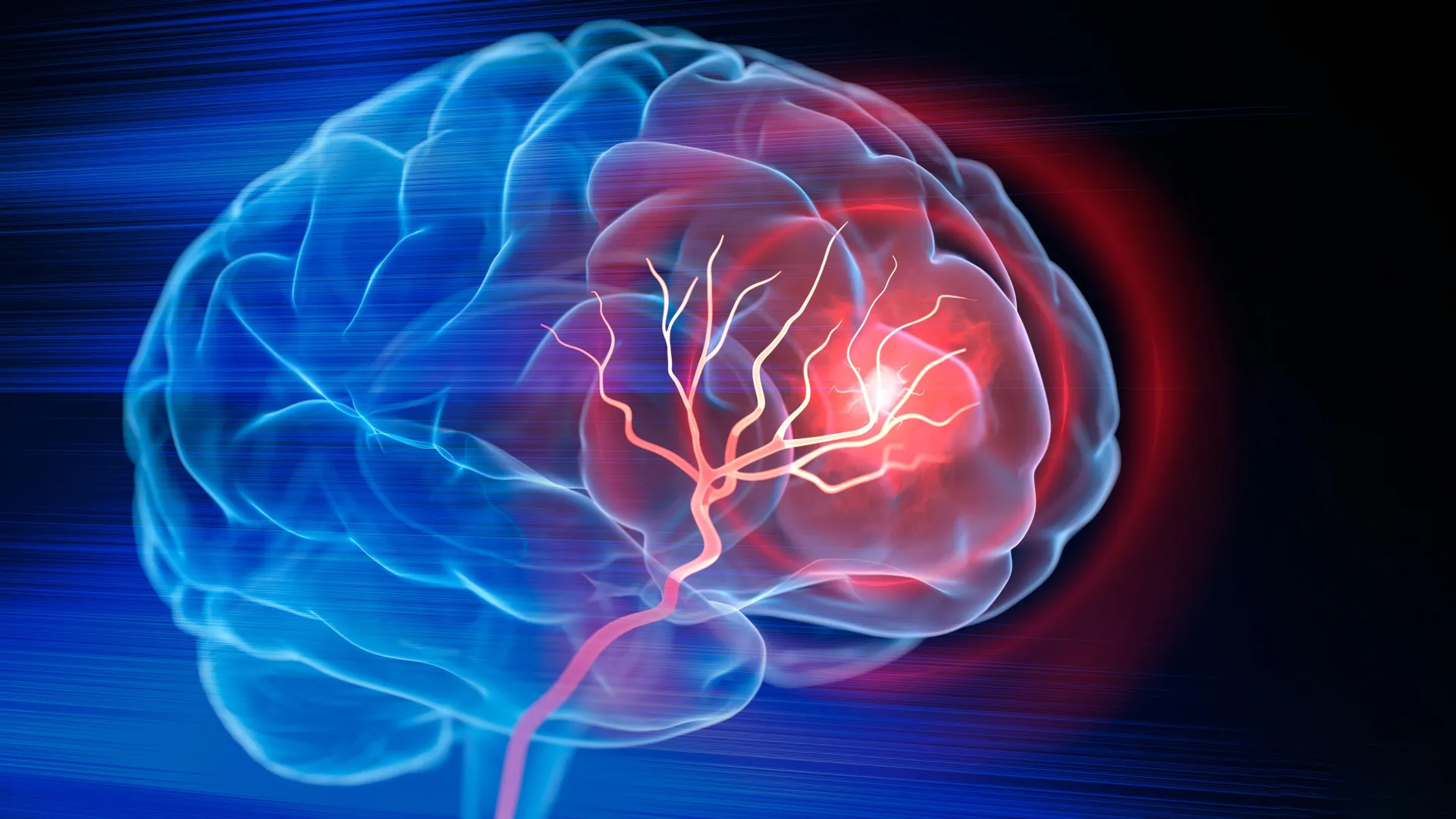
For decades, the medical community has viewed the deterioration of brain blood vessels as a secondary symptom of Alzheimer’s disease—a passive consequence of the inevitable decline in cognitive function. However, groundbreaking research from the Icahn School of Medicine at Mount Sinai, published in the journals Cell and Cell Stem Cell, challenges this paradigm. By utilizing a sophisticated human brain tissue platform known as "miBrains," scientists have demonstrated that APOE4, the most significant genetic risk factor for late-onset Alzheimer’s, acts as an active, pathological driver of vascular damage and protein misfolding. These findings not only redefine the biological timeline of neurodegeneration but also provide potential new targets for drug development.
The Role of APOE4 in Neurodegeneration
Alzheimer’s disease currently affects more than 7 million Americans, a figure projected to rise significantly as the global population ages. Among the various genetic markers associated with the disease, the APOE4 allele is the most potent. Individuals who inherit one copy of the gene face an increased risk, while those with two copies have a significantly higher probability of developing symptoms.
Historically, researchers have observed that APOE4 carriers exhibit compromised blood-brain barrier integrity and impaired cerebral circulation. Until now, the mechanism behind this vascular collapse remained elusive. The Mount Sinai team’s research suggests that APOE4 induces a cellular "identity crisis" within the brain’s microvasculature. By mapping the single-cell transcriptomic profile of brain blood vessels, the researchers discovered that APOE4 forces pericytes—cells responsible for maintaining the structural integrity of capillaries—to transition into myofibroblast-like cells.
This phenotypic shift is catastrophic: the newly formed myofibroblasts begin producing scar tissue, leading to vascular fibrosis. This process restricts blood flow and facilitates the accumulation of amyloid-beta proteins around the vessels, effectively creating a feedback loop that accelerates neurodegeneration.
A New Era of Human-Derived Modeling: The miBrain Platform
The study’s success is largely attributed to the development of "miBrains," three-dimensional human brain organoids derived from induced pluripotent stem cells (iPSCs). These models offer a revolutionary advantage over traditional rodent models, which often fail to replicate the nuanced complexity of human neurobiology.
miBrains capture the diverse cellular ecosystem of the human brain, incorporating neurons, astrocytes, myelin-producing oligodendrocytes, and vascular components. By simulating the human blood-brain barrier within a laboratory setting, the Blanchard Laboratory was able to observe the progression of vascular disease in real-time. This longitudinal capability allowed the team to capture early-stage molecular events that typically occur years before a patient presents with clinical symptoms, providing a window of opportunity for early intervention that was previously unavailable.
The Mechanism of Protein Waste Disposal
Beyond vascular health, the research also explored the role of APOE4 in the brain’s waste-management systems. In the second study published in Cell Stem Cell, the researchers focused on the accumulation of alpha-synuclein, a protein synonymous with Lewy body dementia and Parkinson’s disease.
The team discovered that APOE4 disrupts the metabolism of cholesterol within astrocytes. When cholesterol accumulates inside these cells, it cripples the lysosomal pathway—the brain’s internal "recycling center." Without functional lysosomes, astrocytes lose their ability to clear abnormal proteins like alpha-synuclein. These proteins then spill over into the extracellular space and are taken up by neurons, where they form toxic deposits that lead to cell death. This finding provides a direct molecular link between lipid metabolism, cellular waste disposal, and the onset of neurodegenerative proteinopathies.
Therapeutic Reversibility: A Path Forward
Perhaps the most significant revelation from the Mount Sinai team is the evidence that these processes are not necessarily permanent. In experiments involving both cell cultures and aged APOE4 mice, the researchers successfully blocked the signaling pathways—specifically the TGF-β pathway—that drive pericytes to produce scar tissue.
By inhibiting this signaling, the team observed a restoration of pericyte coverage and a significant reduction in vascular fibrosis and amyloid buildup. This suggests that the brain’s vascular system possesses a degree of plasticity that, if modulated correctly, could preserve cognitive function even in high-risk individuals. The ability to reverse, rather than merely slow, the biological mechanisms of Alzheimer’s represents a fundamental shift in therapeutic strategy.
Implications for Personalized Medicine
The scalability of the miBrain platform offers a promising avenue for the future of personalized medicine. Because these models can be generated from a patient’s own cells, they can serve as "avatars" for drug testing. Researchers can effectively trial multiple pharmaceutical compounds on a patient’s specific cellular profile before administering them clinically, minimizing the risk of adverse reactions and increasing the likelihood of treatment efficacy.
"A key advance of our technology is that miBrains with predefined cellular compositions and disease-related factors can be cryopreserved," noted Dr. Louise Mesentier-Louro, an Assistant Professor of Neuroscience at Icahn Mount Sinai and the lead author of the Cell Stem Cell study. This cryopreservation capability allows for longitudinal studies and standardized testing across different research institutions, addressing a long-standing reproducibility crisis in neurodegenerative research.
Chronology of Discovery and Institutional Support
The research efforts were sustained through a multi-year collaborative effort, drawing on data from postmortem human brain tissue, existing transcriptomic databases, and preclinical animal models. The complexity of these systems required the integration of various scientific disciplines, from stem cell biology to computational neuroscience.
The project received substantial backing from several key organizations, reflecting the high priority placed on neurodegenerative research by the scientific community. Funding for the vascular studies was provided by the National Aeronautics and Space Administration (NASA), the National Institute on Aging (NIA), the CureAlz Fund, and the SWT Foundation. The studies into alpha-synuclein and protein accumulation were further supported by the Michael J. Fox Foundation for Parkinson’s Research through the "Aligning Science Across Parkinson’s" initiative.
Broader Impact on Global Health Policy
The implications of these findings extend beyond the laboratory. By identifying specific, druggable pathways—such as TGF-β signaling and cholesterol metabolism—the researchers have provided pharmaceutical developers with a clear roadmap for drug discovery. If these pathways can be safely targeted in human patients, the cost-burden of Alzheimer’s and Parkinson’s, currently measured in the hundreds of billions of dollars annually in the United States alone, could be substantially mitigated.
Moreover, the research validates the move toward "pre-symptomatic intervention." Current Alzheimer’s treatments are often administered when significant brain atrophy has already occurred. By identifying the triggers of vascular damage and waste-disposal failure, physicians may eventually be able to screen high-risk individuals and initiate prophylactic therapies years before the first symptoms of memory loss appear.
Future Research Directions
While the results are highly promising, the scientific team acknowledges that the transition from organoid and mouse models to human clinical trials is the next significant hurdle. The challenge lies in translating the dosage and delivery mechanisms used in the laboratory into effective, non-invasive treatments for patients.
Dr. Joel W. Blanchard and his team are currently focused on refining the miBrain platform to include even more complex cellular interactions, such as the role of the immune system in the brain. As the technology matures, it is expected that this platform will become a standard tool in the development of therapies for a broad spectrum of neurodegenerative disorders. The era of treating these diseases as inevitable outcomes of aging appears to be coming to an end, replaced by a more precise, mechanistic understanding of how the brain’s support systems fail—and how they might be repaired.









