Ferry Irwandi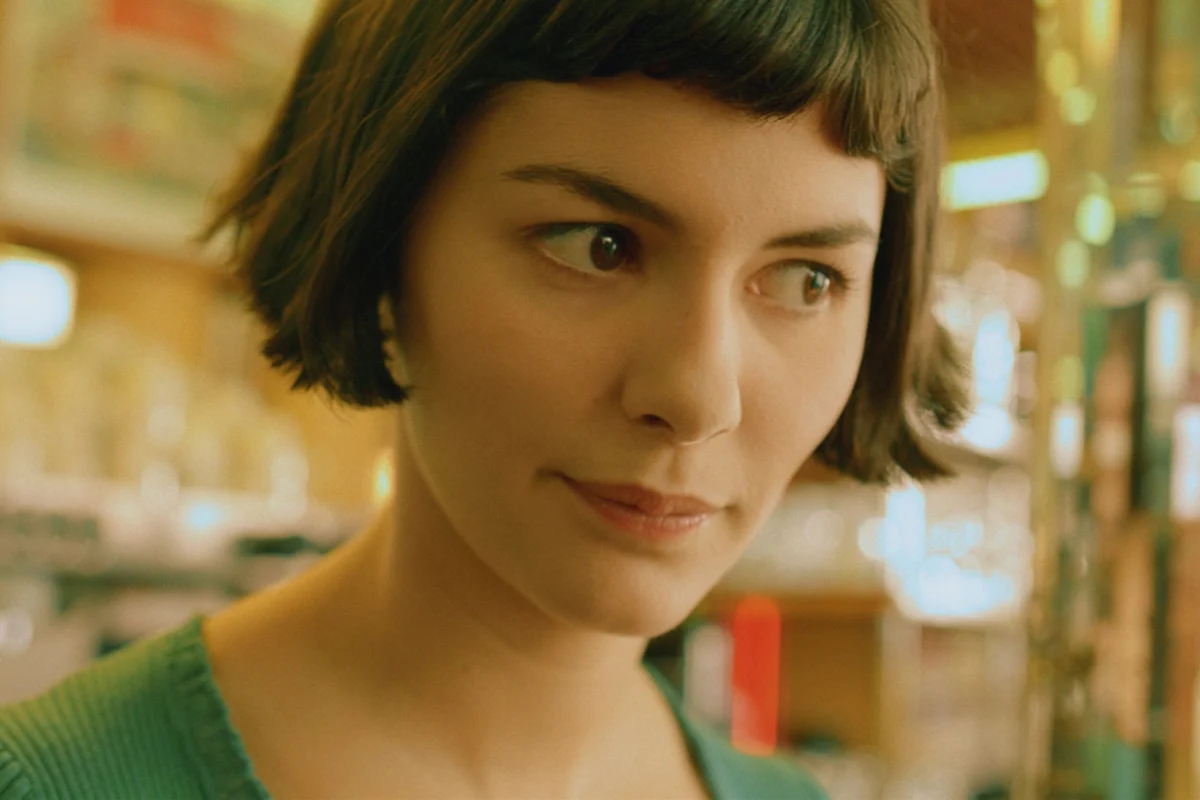
The global cinematic landscape changed significantly in April 2001 with the release of Jean-Pierre Jeunet’s "Le Fabuleux Destin d’Amélie Poulain," known internationally as Amélie. The film, which follows a shy, eccentric waitress who decides to change the lives of those around her for the better while struggling with her own isolation, became an immediate cultural phenomenon. As the film approaches its 25th anniversary with a high-profile re-release in the United Kingdom and Ireland, the enduring fascination with its filming locations—primarily situated in the 18th Arrondissement of Paris—continues to drive significant "ciné-tourisme" (film tourism) to the French capital.
Amélie did more than just tell a whimsical story; it presented a highly stylized, almost utopian version of Paris that resonated with millions. Shot with a distinctive color palette of sepia, lush greens, and deep reds, Jeunet’s vision of Montmartre transformed the rugged, bohemian neighborhood into a storybook world. Today, these locations serve as a bridge between the fictional world of Amélie Poulain and the contemporary reality of Parisian life, illustrating the profound impact that cinema can have on urban geography and local economies.
The Evolution of the Amélie Phenomenon: A Chronological Overview
The journey of Amélie from a niche French project to a global powerhouse began in the late 1990s. Director Jean-Pierre Jeunet, fresh from his experience directing "Alien Resurrection" in Hollywood, sought to return to his roots with a project that was intensely personal and local. Filming took place throughout 2000, predominantly in the Montmartre district, a choice that would permanently alter the neighborhood’s public profile.
Upon its release on April 25, 2001, the film was a staggering success. It earned over $174 million worldwide against a budget of roughly $10 million. It received five Academy Award nominations and won four César Awards, including Best Film and Best Director. The critical acclaim was matched by a surge in tourism. By 2002, local businesses in Montmartre reported a visible increase in international visitors specifically seeking out "Amélie’s Paris."

In the two decades since, the film has maintained a permanent spot in the cultural zeitgeist. The 2024-2025 re-release serves not only as a nostalgic celebration for original fans but as an introduction for a new generation of viewers who consume the film’s "aesthetic" through modern social media platforms like Instagram and TikTok, where the film’s locations remain highly "photogenic" landmarks.
The Anchor of Montmartre: Café des Deux Moulins
The most recognizable location in the film is the Café des Deux Moulins, where Amélie works as a waitress. Located at 15 Rue Lepic, the café was a traditional, slightly worn-down neighborhood establishment before the film’s release. Named after the two nearby historic windmills, the Moulin Rouge and the Moulin de la Galette, the café has since become a site of pilgrimage.
While the interior was slightly modified for the film—Jeunet famously removed a tobacco counter to create more space for the camera—the café today leans heavily into its cinematic history. A large poster of Audrey Tautou as Amélie hangs prominently inside, and the menu features a "Crème Brûlée d’Amélie," complete with a hard sugar crust designed for cracking with a spoon, echoing one of the character’s famous "small pleasures."
Data from local tourism boards suggests that the Café des Deux Moulins remains one of the most visited non-monumental sites in the 18th Arrondissement. Its survival is a testament to the "Amélie effect"; while many traditional Parisian cafés have closed due to rising rents and changing consumer habits, the Deux Moulins thrives on a steady stream of film enthusiasts.
Au Marché de la Butte: The Real-Life Collignon’s Grocery
Just an eight-minute walk from the café, at the corner of Rue des Trois-Frères and Rue Androuet, lies "Au Marché de la Butte." In the film, this is the grocery store owned by the abrasive Mr. Collignon, where Amélie famously plunges her hand into a sack of grain.

The shop is a functioning convenience store, but its exterior remains virtually identical to its appearance in the 2001 film. The owner at the time of filming, Ali Mdoughi, became a local celebrity in his own right, often interacting with fans who came to see the "Maison Collignon." The shop’s enduring popularity highlights a specific trend in film tourism: the desire to visit mundane, everyday locations that have been elevated to "sacred" status through the lens of a director.
Residential Geography: 56 Rue des Trois-Frères
Amélie’s apartment, the site where she discovers the hidden box of childhood treasures belonging to a previous tenant, is located at 56 Rue des Trois-Frères. Unlike the café or the grocery store, this is a private residential building, yet it remains a frequent stop on walking tours.
The significance of this location lies in its representation of the "hidden" Paris. Jeunet used the apartment to showcase the interconnected lives of neighbors—the reclusive painter Raymond Dufayel, the concierge Madeleine Wallace, and the hypochondriac Georgette. This portrayal of a tight-knit, albeit quirky, community has often been cited by urban sociologists as a romanticized version of the "village" feel that Montmartre once possessed before the pressures of gentrification.
Aesthetic and Infrastructure: Lamarck–Caulaincourt Metro Station
The Lamarck–Caulaincourt station, with its iconic double staircase and green ironwork, serves as the backdrop for one of the film’s most poignant scenes: Amélie guiding a blind man through the streets, describing the vibrant sights of the market in vivid detail.
This station is an architectural gem of the Paris Métro system, but its inclusion in the film cemented its status as the "Amélie station." It serves as a gateway for tourists heading toward the Basilica of the Sacré-Cœur. From a logistical standpoint, the station handles thousands of tourists daily, many of whom stop to photograph the entrance, which epitomizes the Art Nouveau aesthetic that Jeunet utilized to define the film’s visual identity.

Studio 28: A Hub for Cinephiles
Amélie’s habit of going to the cinema alone and turning around to look at the faces of other audience members was filmed at Studio 28 (10 Rue Tholozé). This location carries historical weight beyond the film; opened in 1928, it was the first "avant-garde" cinema in Paris.
The venue was famously frequented by artists such as Jean Cocteau and Luis Buñuel. By featuring Studio 28, Jeunet paid homage to the history of French cinema itself. Today, the cinema remains operational, offering a program that balances contemporary releases with the kind of art-house films that Amélie herself would have enjoyed. It represents a rare instance where a filming location is as culturally significant in reality as it is in the fiction.
Economic Impact and the "Clean Paris" Debate
The economic implications of Amélie for the Montmartre district have been overwhelmingly positive in terms of revenue. However, the film also sparked a complex debate regarding urban representation. Jeunet was famously criticized by some French critics, most notably Serge Kaganski of Les Inrockuptibles, for presenting a "cleansed" version of Paris that lacked ethnic diversity and ignored the grit of the modern city.
Jeunet defended his artistic choices, noting that he digitally removed graffiti, trash, and modern cars to create a "timeless" atmosphere. This "beautification" of the 18th Arrondissement has had real-world consequences. Property values in the areas featured in the film saw a sharper increase compared to neighboring streets in the decade following the release. The film essentially acted as a high-budget promotional campaign for a specific, idealized version of Parisian life, which has influenced how the city is marketed to international tourists today.
Supporting Data: The Rise of Screen Tourism
Research conducted by organizations such as the CNC (Centre National du Cinéma et de l’image animée) indicates that one in four international tourists chooses their destination based on films or television series they have seen. For Paris, Amélie remains the primary driver of this "screen tourism," alongside more recent productions like "Emily in Paris."

Key statistics regarding the film’s impact include:
- Footfall: The Rue Lepic area saw a sustained 20% increase in pedestrian traffic in the five years following the film’s release.
- Business Longevity: Small businesses in the immediate vicinity of the filming locations report that approximately 40% of their daily customers are tourists specifically mentioning the film.
- Cultural Preservation: The fame of the Café des Deux Moulins led to its interior being largely preserved, preventing it from being converted into a chain retail space.
Broader Implications: Cinema as a Tool for Urban Preservation
The 25th-anniversary re-release of Amélie underscores the role of cinema in preserving the "soul" of a neighborhood, even if that soul is a stylized construction. As Paris prepares for future challenges, including the impact of mass tourism and climate change, the locations of Amélie serve as a reminder of the power of narrative to transform a physical space into an emotional landmark.
The film did not just record the streets of Montmartre; it redefined them. For the millions who visit the 18th Arrondissement, the boundary between the real Paris and Amélie’s Paris remains blurred. Whether it is skipping stones on the Canal Saint-Martin or cracking a crème brûlée on Rue Lepic, the "Fabuleux Destin" of the film continues to shape the lived experience of the city.
In conclusion, the legacy of Amélie is not merely found in its box office records or its awards, but in the enduring vitality of the streets it portrayed. As audiences return to theaters to witness Amélie Poulain’s journey once more, the streets of Montmartre stand ready to welcome a new wave of dreamers, ensuring that the magic of Jeunet’s 2001 masterpiece remains a tangible part of the Parisian landscape for years to come.