
 Prabowo Widodo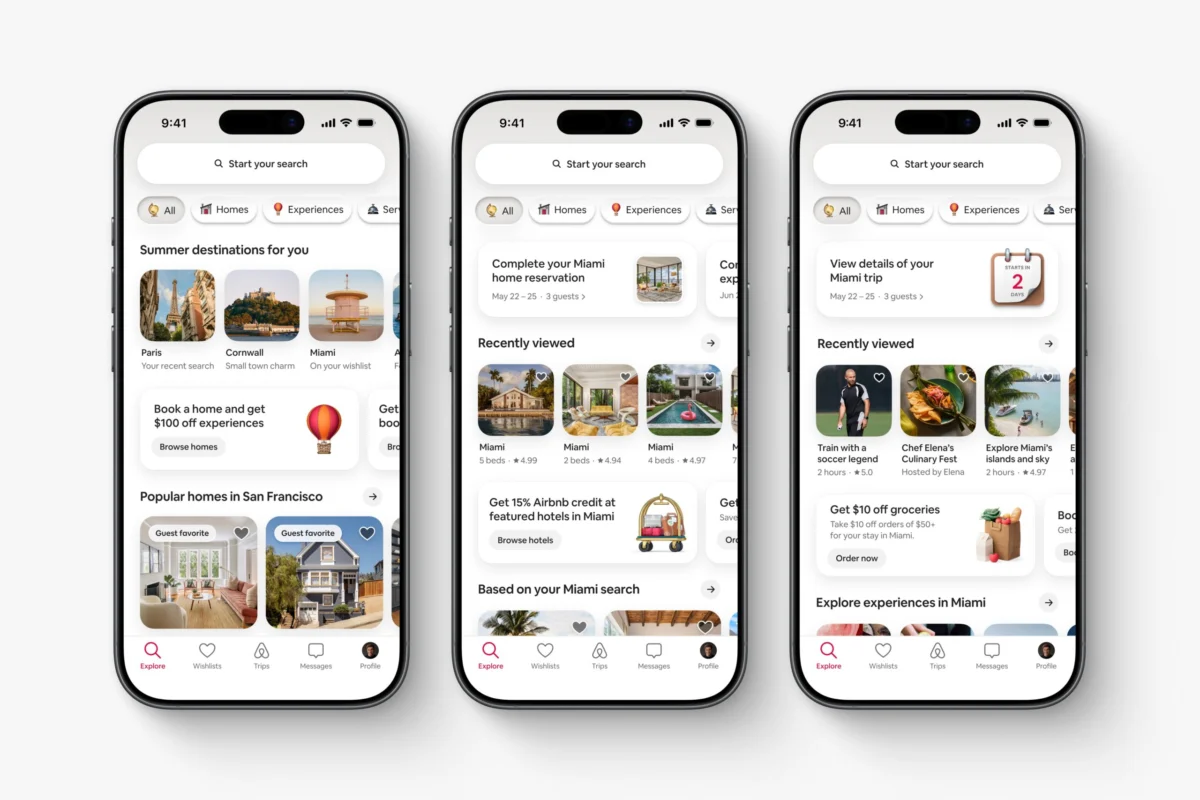
Airbnb, the digital disruptor that redefined accommodation by enabling peer-to-peer property rentals, is undertaking a significant strategic pivot, officially integrating traditional hotel listings onto its platform. This move, which marks a notable departure from its original model centered on individual hosts offering spare rooms or entire properties, aims to diversify revenue streams, broaden its appeal to a wider range of travelers, and navigate evolving regulatory landscapes. The company has officially rolled out a dedicated filter within its application, allowing users to specifically search for hotel accommodations, following several months of discreet testing. This expansion commences with partnerships with boutique hotels across 20 major global cities, including key hubs like New York, Paris, London, Madrid, Rome, and Singapore, signaling a bold step into the broader hospitality market.
A Strategic Evolution: From Peer-to-Peer to Comprehensive Travel Ecosystem
For over a decade, Airbnb cultivated a distinct brand identity built on the premise of authentic, local stays, allowing travelers to book unique accommodations directly from property owners. Its core business model revolved around facilitating connections between hosts and guests, offering fundamental amenities such as beds, baths, and kitchen access, often at a more personal and cost-effective alternative to traditional hotels. This model, while immensely successful, also presented inherent limitations and challenges, particularly in catering to specific travel needs and navigating increasingly stringent urban regulations.
The introduction of hotels represents a calculated expansion designed to address these very issues. Jud Coplan, VP of Marketing at Airbnb, articulated the company’s rationale, stating, "There are a few examples of the types of trips for which a hotel is probably better suited, such as last-minute bookings, one-night stays, and business trips. What we’ve done in the Airbnb app is that when we can see you’re searching for that kind of stay, we can recommend hotels without sending you to another part of the app or tapping on another tab." This targeted approach aims to seamlessly integrate hotel options for specific use cases where traditional short-term rentals might not be the optimal choice.

Travelers searching for short-duration stays, typically one or two nights in urban centers, will now encounter a pop-up prompting them to consider hotel options. Alternatively, a specific filter allows users to exclusively browse hotel listings. To instill confidence in this new offering, Airbnb is implementing a price match guarantee, promising to refund the difference in app credits if a user discovers the same hotel listing at a lower rate elsewhere, a competitive tactic commonly employed by established online travel agencies (OTAs).
Navigating Regulatory Headwinds and Market Diversification
The decision to embrace hotels is also intrinsically linked to the complex and often restrictive regulatory environment surrounding short-term rentals in many global cities. In high-demand locations like New York City and Singapore, local ordinances have significantly curtailed or outright banned short-term stays in residential properties, posing a substantial challenge to Airbnb’s traditional business model. By partnering with hotels, Airbnb gains access to these restricted markets, allowing it to offer legitimate accommodation options where its peer-to-peer listings face legal impediments. This strategic move effectively broadens Airbnb’s addressable market and mitigates some of the regulatory risks that have historically impacted its operations and growth trajectory.
This expansion into hotels is not an isolated initiative but rather a key component of Airbnb’s broader strategy to evolve into a holistic travel platform. Over the past few years, the company has been systematically building out a comprehensive ecosystem of travel-related services, moving beyond mere accommodation bookings.
A Timeline of Airbnb’s Expanding Travel Ecosystem:

- 2025 (Last Year): Airbnb launched "Experiences and Services," a significant step to encourage users to book activities and additional offerings during their trips. This initiative directly pits Airbnb against established experience providers like Viator and GetYourGuide.
- Late 2025: The company began testing a grocery delivery service, allowing guests to place Instacart orders for their booked properties even before their arrival, enhancing convenience.
- Early 2026: Airbnb introduced airport pickup services, partnering with providers like Welcome Pickups, to offer seamless ground transportation solutions.
- Summer Launch (Current): Alongside the official hotel integration, Airbnb is dramatically scaling its service offerings:
- Luggage Storage: Over 15,000 locations are being added for luggage storage, addressing a common pain point for travelers with early arrivals or late departures.
- Car Rental Services: A full-fledged car rental service is set to launch, further integrating transportation into the booking experience.
- Expanded Experiences: The "Experiences" category is seeing significant growth, with the addition of visits with local guides to 3,000 landmarks and over 2,500 new food experiences, catering to diverse interests and preferences.
This concerted effort to offer an end-to-end travel solution positions Airbnb as a direct competitor to traditional online travel agencies (OTAs) such as Expedia Group and Booking Holdings, which have long provided integrated services spanning flights, hotels, car rentals, and activities. By aggregating these services, Airbnb aims to capture a larger share of the overall travel spend and enhance customer loyalty.
Redesigned User Experience and Emerging Loyalty Incentives
To accommodate this expanded suite of offerings, Airbnb is rolling out a redesigned application interface. The home page will now intelligently suggest options across all categories – stays, experiences, and services – based on user preferences and search behavior. Dedicated tabs will also allow users to navigate directly to specific offerings.
While an official, points-based loyalty program has not yet been announced, Airbnb is strategically testing the waters with credit-based incentives. Users can now receive Airbnb credits for their first car rental booking or earn up to 15% credit on hotel bookings. These incentives are designed to encourage users to explore and utilize the platform’s new services, potentially laying the groundwork for a more formalized loyalty program in the future. In an increasingly competitive travel market, loyalty programs are crucial for retaining customers and fostering repeat business. The global travel market, valued at over $800 billion annually pre-pandemic and projected to surpass $1 trillion in the coming years, offers immense opportunities, but also fierce competition from established players.
Airbnb’s Distinctive Approach to Artificial Intelligence

In an era where many tech companies are rushing to integrate generative AI, particularly chatbots for itinerary building and planning, Airbnb has adopted a more measured and focused approach. While competitors like Google Travel, Expedia, and numerous travel startups have launched AI-powered itinerary tools, Airbnb CEO Brian Chesky has expressed skepticism about the suitability of a chatbot-as-an-interface for the travel domain.
Instead, Airbnb is strategically deploying AI to enhance efficiency, streamline operations, and improve the user experience in more subtle yet impactful ways. Jud Coplan elaborated on this philosophy: "I think that the way in which we think about AI is how it can be used to help people find what they’re looking for more effectively and efficiently. And you see with this release that we have AI spread across a number of features across the app on the guest side and the host side."
Key AI implementations in this latest release include:
- Host-Side Efficiency: A new AI tool for hosts allows them to simply input their property address, and the AI automatically populates various listing details, significantly simplifying the listing creation process and reducing manual effort.
- Guest-Side Enhancements:
- Review Summarization: AI-generated category tags (e.g., location, amenities, family-friendliness) allow guests to quickly skim through reviews pertinent to specific aspects of a property, providing more relevant insights.
- Wishlist Comparison: A new tool leverages AI to compare properties in a user’s wishlist, offering AI-generated summaries to help travelers make informed decisions about which property best suits their needs.
- Customer Service Transformation: This is arguably Airbnb’s most significant application of AI. Following a quiet rollout of an AI customer service bot in the U.S. last year, the company is now expanding its capabilities globally, supporting 11 languages. CEO Brian Chesky revealed in the Q1 2026 earnings call that the AI chatbot now handles an impressive 40% of all customer queries. The updated support system will also feature interactive cards to facilitate trip updates or resolve common issues. Looking ahead, Airbnb plans to introduce a voice-based AI assistant later this year, allowing users to interact verbally, for which the company is collaborating with multiple, as-yet-unnamed, partners. This level of AI integration in customer service highlights a significant investment in operational efficiency and scalability, potentially setting a new standard in the travel industry.
Implications for the Hospitality Industry and Airbnb’s Future
Airbnb’s comprehensive strategy shift carries significant implications for various stakeholders. For traditional hotels, particularly boutique establishments, this presents a dual challenge and opportunity. While it introduces another powerful distribution channel, it also means intensified competition within Airbnb’s ecosystem. The global hotel market, estimated to be worth over $600 billion, is ripe for disruption, and Airbnb’s entry, even with a focus on boutique properties initially, signals its intent to capture a piece of this substantial pie.

For travelers, the benefits are clear: a more consolidated and convenient platform for all aspects of their trip planning, from diverse accommodation options to localized experiences and essential services. This holistic approach aims to reduce friction in the travel planning process, making Airbnb a potential one-stop shop.
The strategic move also underscores Airbnb’s maturity as a public company, which went public in late 2020. Diversifying revenue streams beyond its core short-term rental business provides greater resilience against market fluctuations and regulatory pressures. By expanding into hotels and a broader array of travel services, Airbnb is transforming from a niche accommodation provider into a full-fledged travel ecosystem, directly challenging established industry giants and reshaping the future of online travel. The company’s market capitalization, which has often fluctuated around the $100 billion mark, could see significant upside as these new ventures gain traction, solidifying its position as a dominant force in the global travel landscape. The measured yet impactful integration of AI further demonstrates a commitment to leveraging technology for operational excellence and enhanced user experience, ensuring its competitive edge in a rapidly evolving digital world.








