Danny Garick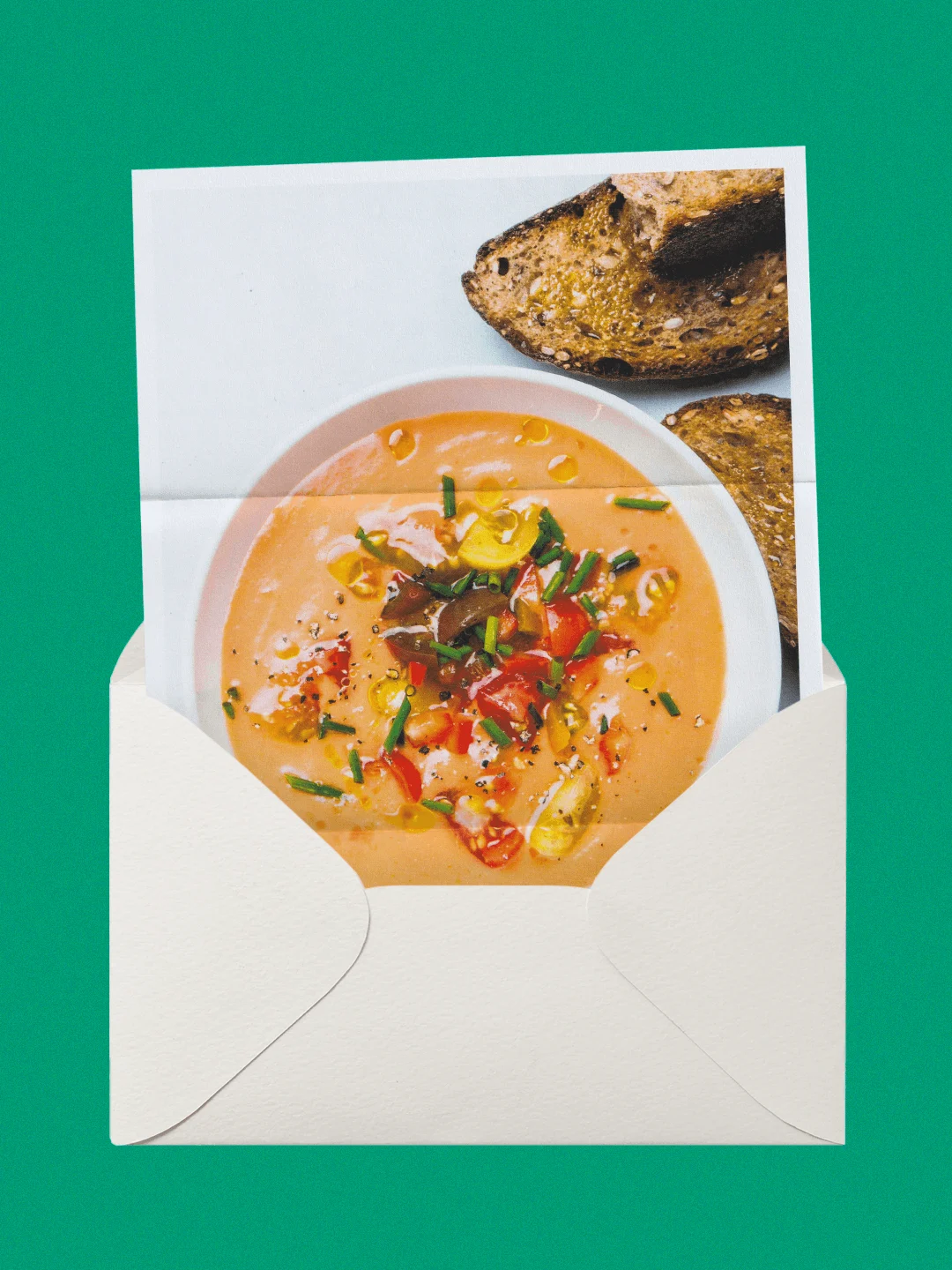
The transition from managing a high-volume family kitchen to cooking for a single individual represents a significant demographic and lifestyle shift currently affecting millions of adults. For over two decades, the standard domestic routine for many parents has involved the consistent production of meals for large households, often totaling thousands of individual servings over the course of a child’s upbringing. However, as the final members of the "Generation Z" and "Generation Alpha" cohorts begin to exit the family home, and as divorce rates among older demographics—often termed "gray divorce"—remain a notable social trend, a growing number of experienced home cooks are finding themselves tasked with a new challenge: downsizing their culinary output without sacrificing nutritional quality or personal enjoyment. This evolution requires a fundamental recalibration of grocery procurement, preparation techniques, and the psychological approach to the act of cooking itself.
The Chronology of the Domestic Culinary Transition
The lifecycle of the domestic kitchen typically follows a predictable trajectory, beginning with the formative years of early adulthood and expanding rapidly with the arrival of children. For a family of five, the mathematical reality of meal provision is staggering. Over a 20-year period, a primary cook responsible for six dinners a week will prepare approximately 6,240 evening meals. This figure does not account for breakfasts, lunches, or the logistical management of snacks and school-related food events.
The transition to solo cooking usually occurs in three distinct phases. The first phase is the "Empty Nest" period, where the departure of children reduces the household size but often leaves the cooking habits of the parents unchanged, leading to excessive leftovers and food waste. The second phase involves the "Household Dissolution," such as a divorce, which further reduces the consumer count to one. The final phase is the "Establishment of the New Era," where the individual must actively restructure their kitchen habits to suit a solo lifestyle. This timeline necessitates a shift from bulk-buying and efficiency-based cooking to a model focused on ingredient longevity, flavor intensity, and personal preference.
Demographic Data and the Rise of the Single-Person Household
The shift toward solo cooking is supported by broader sociological data. According to the U.S. Census Bureau, single-person households have become the fastest-growing household type in the United States, now accounting for nearly 29% of all households. This is a significant increase from 1960, when single-person households represented only 13% of the population. Furthermore, the Pew Research Center has noted that the divorce rate for adults aged 50 and older has roughly doubled since the 1990s.
These statistics indicate that the "New Era" of solo cooking is not an isolated experience but a widespread social phenomenon. For those who have spent decades prioritizing the tastes of others—often children who may have been "picky eaters" or a spouse with specific dietary requirements—the transition to solo cooking offers a unique opportunity for culinary autonomy. Market research from the food industry suggests that solo diners are increasingly seeking "veggie-centric" and "high-flavor" options, moving away from the traditional frozen "TV dinner" model toward sophisticated, fresh-ingredient-based meals that can be scaled down.

Strategic Lunch Management: Batch Cooking and Preservation
One of the primary logistical hurdles for the solo cook is the management of the midday meal, particularly for those who maintain a full-time professional schedule. In a family setting, lunches are often comprised of sandwiches or leftovers from a large dinner. In a solo setting, the most efficient strategy involves utilizing the "batch and freeze" method, a technique that leverages the cook’s existing proficiency in large-scale preparation but redirects the output toward long-term individual consumption.
Culinary experts recommend the production of nutrient-dense, freezer-stable soups as a foundational strategy. For instance, a red lentil soup infused with preserved lemon offers high protein content and significant flavor longevity. Red lentils are particularly effective for solo cooking because they break down into a thick consistency that maintains its texture even after six months in a freezer. To optimize this process, the use of wide-mouth glass jars is recommended for storage. These containers are microwave-safe and provide an airtight seal that prevents freezer burn.
For warmer climates or seasons, the strategy shifts toward perishable but high-yield chilled dishes. A gazpacho, blended at the start of the week, serves as a versatile base that can be customized daily with fresh garnishes such as chopped cucumbers or bell peppers. Additionally, "sturdy" salads—those utilizing cruciferous vegetables like cabbage or kale—are superior to lettuce-based salads for solo diners. A cabbage-based salad can remain crisp in the refrigerator for up to five days, whereas a traditional green salad would wilt within 24 hours.
Dinner Optimization: Flavor-Forward Vegetable Integration
The evening meal presents the greatest opportunity for a solo cook to experiment with ingredients that may have been previously rejected by other family members. The "veggie-centric" approach is not only nutritionally advantageous but also economically practical for the solo diner, as vegetables can be purchased in precise quantities at local farmers’ markets or produce stands.
High-flavor profiles are achieved through the use of "umami-rich" pantry staples such as anchovies, garlic, red onions, and aged cheeses like Parmesan. A primary example of this is the "Big-Flavor Broccoli" technique, where broccoli is roasted or sautéed with these pungent ingredients to create a meal that is both satisfying and complex. This dish can be paired with small-format proteins like burrata or a single serving of Greek yogurt to create a balanced supper.
Furthermore, the "sauce as a foundation" method allows a single preparation to serve multiple purposes throughout the week. A kale-based pesto, for example, can be made in a full batch and utilized in various ways:

- Tossed with a single serving of whole-wheat spaghetti.
- Spoon-fed over roasted seasonal vegetables.
- Incorporated into scrambled eggs for a high-protein breakfast.
- Used as a spread for a high-quality crusty bread.
This modular approach to cooking ensures that the individual is not eating the exact same meal every night, thereby preventing "palate fatigue" while still minimizing the time spent on daily preparation.
The Economics and Psychology of the Solo Kitchen
The economic implications of transitioning to solo cooking are substantial. The average American household wastes approximately 30% of its food supply, a figure that often spikes during periods of household transition. To combat this, solo cooks are encouraged to adopt "eyeball" cooking—a method of estimating portions rather than strictly following recipes designed for four to six people. By purchasing only what is needed—such as a single heirloom tomato or a handful of baby potatoes—the cook reduces waste and ensures that every ingredient is consumed at its peak freshness.
Psychologically, the act of cooking for oneself after decades of cooking for others can be a form of "culinary self-care." Experts in food psychology suggest that the ritual of preparing a high-quality meal can mitigate the feelings of isolation that sometimes accompany divorce or an empty nest. By focusing on "high-flavor" and "veggie-centric" dishes, the cook reaffirms their own preferences and health, transforming the kitchen from a place of labor into a place of personal expression.
Broader Impact and Implications for the Food Industry
The rise of the solo cook is already beginning to influence the broader food industry and retail landscape. Grocery stores are increasingly offering "singles-friendly" packaging, and recipe developers are shifting their focus toward "rif-fable" templates—dishes that provide a basic structure (like a salad ramen) which can be easily customized with whatever ingredients are currently in the refrigerator.
This shift also highlights a growing demand for culinary education tailored to the experienced cook who is downsizing. While many resources exist for beginners, there is a burgeoning market for advice aimed at those who already possess professional-level domestic skills but need to apply them to a smaller scale. The ability to adapt to this "New Era" is not merely a matter of survival but an opportunity to refine one’s relationship with food, moving toward a more sustainable, flavorful, and personally fulfilling lifestyle.
As society continues to evolve, the narrative of the kitchen as a place solely for family service is being replaced by a more inclusive vision that celebrates the individual diner. For the millions of people entering this stage of life, the kitchen remains a central hub of the home—one where the experience of twenty years of cooking can finally be distilled into the perfect meal for one.