Danny Garick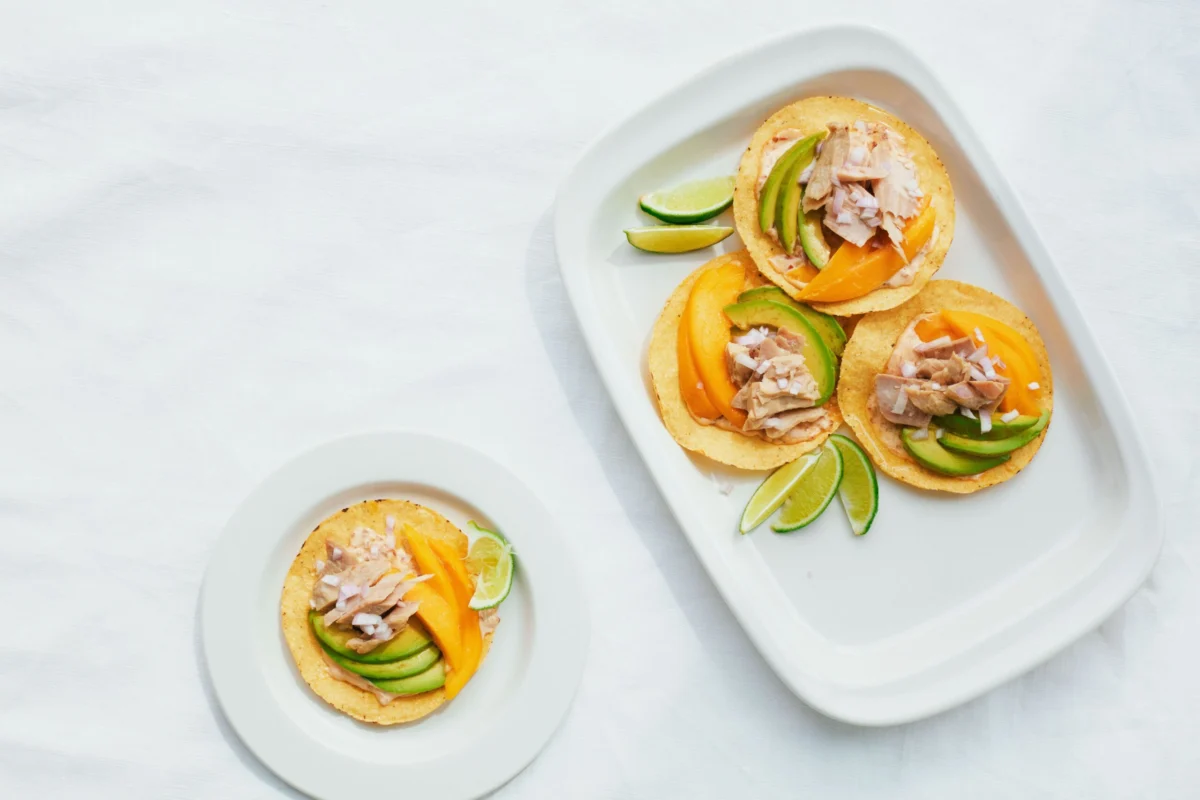
The global culinary landscape is currently witnessing a significant shift toward the democratization of fine dining, as home cooks and food stylists increasingly adapt world-renowned restaurant dishes into accessible, budget-friendly iterations. At the center of this movement is the "iconic" tuna tostada, a dish originally popularized by Contramar, one of Mexico City’s most celebrated seafood institutions. While the original version relies on premium, sushi-grade raw tuna, a new wave of culinary adaptation is championing the use of high-quality canned tuna, reflecting broader economic trends and a surging consumer interest in the "tinned fish" movement. This evolution highlights a intersection between luxury gastronomy and pantry-based practicality, proving that the essence of a world-class dish can be preserved even when the primary ingredient is swapped for a more shelf-stable alternative.
The Contramar Legacy and the Original Blueprint
To understand the significance of this culinary adaptation, one must first examine the cultural weight of Contramar. Located in the Roma Norte neighborhood of Mexico City, Contramar was opened in 1998 by Chef Gabriela Cámara. Over the past two and a half decades, it has become a global destination, credited with redefining modern Mexican seafood. The restaurant’s signature tuna tostada is widely considered a masterpiece of textural and flavor balance.
The traditional Contramar tostada consists of a perfectly crisp corn tortilla (tostada) spread with a thin layer of chipotle mayonnaise. It is then topped with thin, "ruby-red" slices of raw, fresh tuna, garnished with creamy avocado and a generous mound of deep-fried leeks. The dish is celebrated for its contrast: the crunch of the tortilla and leeks against the buttery softness of the raw fish and avocado. For many travelers, this single bite represents the pinnacle of the Mexico City dining experience. However, recreating this experience outside of a high-end restaurant environment presents significant logistical and financial hurdles, primarily regarding the sourcing and cost of raw, sashimi-grade seafood.
The Economic Reality of the Modern Kitchen
The pivot from fresh, sushi-grade tuna to canned alternatives is driven largely by the current economic climate. In major urban centers across the United States and Europe, the price of high-quality raw tuna has surged, often reaching $30 to $40 per pound at specialty fishmongers. For a standard family meal or a casual weeknight dinner, this price point is prohibitive for many households.
In contrast, the canned seafood market offers a significantly lower barrier to entry. While a pound of fresh tuna might cost $30, a high-quality tin of tuna—often packed in olive oil to preserve moisture and flavor—typically retails for between $3 and $6. This represents a cost reduction of nearly 90% without necessarily sacrificing the nutritional value or the foundational flavor profile of the dish.
According to market research data, the global canned seafood market was valued at approximately $9.4 billion in 2022 and is projected to grow steadily through 2030. This growth is attributed not only to affordability but also to the convenience and long shelf life of tinned products, which have become essential in the "stockpiling" culture that emerged during the COVID-19 pandemic and has persisted due to ongoing food price inflation.
Chronology of the Tinned Fish Trend
The adaptation of the Contramar tostada into a canned tuna version is a symptom of a larger cultural phenomenon often referred to as "Tinned Fish Date Night" or the "Premium Tinned Fish" trend.
- 1998–2015: The Contramar tostada gains international fame via food critics and culinary television, becoming a "must-eat" item for global travelers.
- 2016–2019: The rise of Instagram and TikTok begins to democratize food photography, making the aesthetic of the "shingled" tuna tostada a viral sensation.
- 2020–2021: The pandemic-induced closure of restaurants forces diners to recreate luxury experiences at home. Global supply chain issues lead to a renewed interest in pantry staples.
- 2022–2023: A surge in boutique tinned fish brands (such as Fishwife or Patagonia Provisions) rebrands canned seafood from a "budget" item to a "gourmet" lifestyle choice.
- 2024–Present: Culinary publications and home cooks formalize the "laid-back" version of the tuna tostada, utilizing canned tuna, mango, and avocado to bridge the gap between Mexico City fine dining and the everyday kitchen.
Technical Analysis of the Adaptation
The transition from raw to canned tuna requires a strategic approach to flavor and texture to ensure the dish remains "transportive." Culinary experts note that while canned tuna is not a direct substitute for the silken texture of raw fish, it offers a "rich, coaxed taste" that works well when paired with the right acidic and spicy elements.
The Role of Chipotle in Adobo
The "signature whisper of smoke" in the tostada comes from chipotle peppers in adobo sauce. In this simplified version, the peppers are finely chopped and folded into mayonnaise. This creates a fat-based carrier for the heat and smoke, which helps to mask the "tinny" notes sometimes found in canned seafood while providing a creamy barrier that prevents the tortilla from becoming soggy.

Texture and Acidity
To compensate for the loss of the "shattered" fried leeks found in the original, the modern home version often incorporates fresh components like shallots and lime juice. The acidity of the lime is crucial; it "cooks" the shallots slightly and brightens the preserved fish. The addition of fresh mango provides a floral sweetness that contrasts with the smoky chipotle, a technique common in coastal Mexican cuisine but less emphasized in the original Contramar raw version.
The Fats: Avocado and Olive Oil
The use of tuna packed in olive oil is frequently recommended over tuna packed in water. The oil helps to replicate the mouthfeel of the fat found in high-grade raw tuna. When combined with the creamy texture of avocado, the dish achieves a luxurious profile that belies its humble ingredients.
Culinary Community Responses and Implications
The reaction to this "pantry-fication" of classic dishes has been largely positive within the culinary community. Professional chefs have noted that these adaptations make "food culture" more inclusive.
"The goal of cooking shouldn’t always be a perfect replication of a restaurant dish," says one industry analyst. "It should be about capturing the spirit of that dish in a way that is sustainable for the cook’s lifestyle and budget. Using tinned fish to recreate a $25 restaurant appetizer for $5 at home is an act of culinary intelligence, not a compromise."
Furthermore, the environmental implications of this shift are noteworthy. While the sourcing of fresh Bluefin or Bigeye tuna for sushi-grade consumption often raises sustainability concerns, many canned tuna brands utilize smaller, more abundant species like Skipjack or Albacore, which are often caught using more sustainable "pole-and-line" methods. This makes the canned tostada a potentially more eco-conscious choice for the environmentally-minded consumer.
Broader Impact on the Food Industry
The rise of high-quality, accessible recipes like the canned tuna tostada is influencing how grocery stores and food brands market their products. We are seeing an increase in "recipe-ready" displays where canned seafood is positioned next to avocados, limes, and tortillas rather than being relegated to the "back aisle" of the store.
Additionally, this trend reflects a shift in the "It’s That Simple" philosophy of modern recipe development. In an era where "decision fatigue" is a recognized psychological phenomenon, consumers are gravitating toward recipes with "tiny ingredient lists" and "laid-back techniques." The ability to produce a "delicious result" with eyes closed—using items already stationed in the pantry—is becoming the new benchmark for a successful recipe.
Conclusion: The Democratization of Flavor
The transformation of the Contramar tuna tostada from a luxury export of Mexico City to a accessible staple of the American pantry signifies a broader evolution in how we value food. It suggests that the "souvenir" of a great meal does not have to be a physical object or an expensive ingredient, but rather the knowledge of how to balance flavors and textures using what is available.
As inflation continues to impact global food prices, the ability to find "transportive bites" in a four-dollar tin of fish ensures that the joys of global gastronomy remain available to the masses. The canned tuna tostada is more than just a quick lunch; it is a testament to the resilience of culinary culture and the ongoing ingenuity of the home cook. Whether served on white linen in the heart of the Roma district or on a paper plate in a suburban kitchen, the core appeal remains the same: a shatteringly crisp base, a hint of smoke, and the timeless satisfaction of a well-balanced meal.