Nila Kartika Wati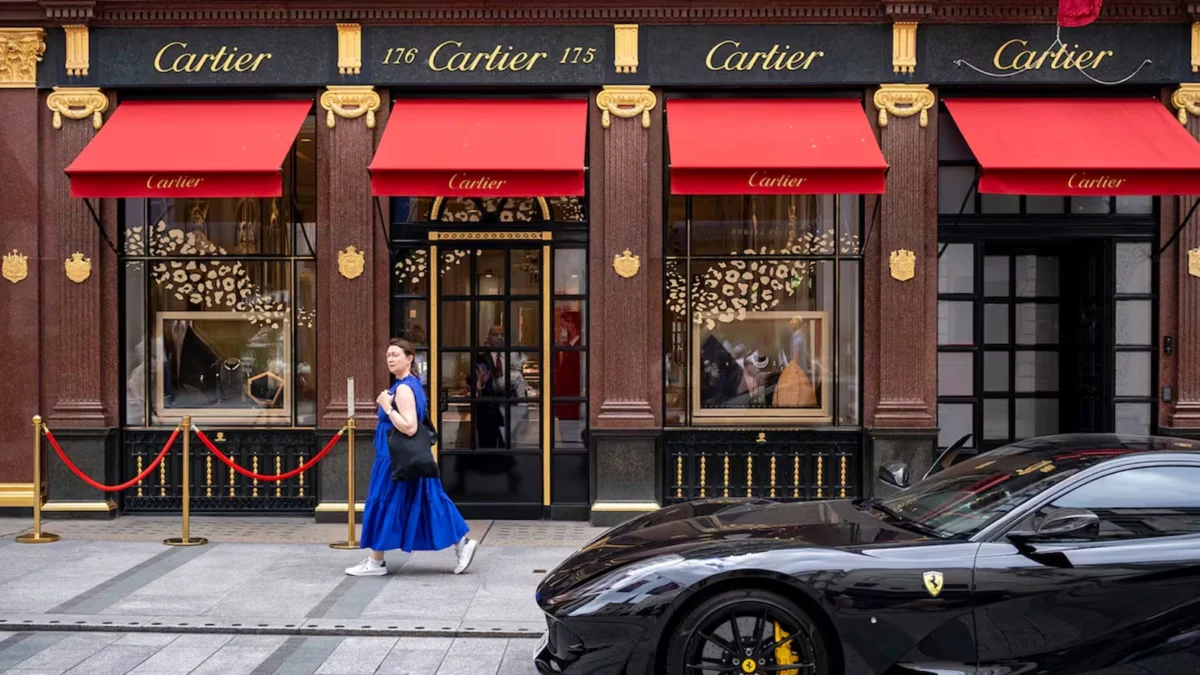
The upcoming annual earnings report from Swiss luxury conglomerate Richemont, slated for release this week, is poised to offer a granular view of the luxury industry’s increasingly divergent trajectories. While robust performance in the jewellery sector is expected to drive overall growth, analysts anticipate a more volatile showing from the company’s watch divisions and continued pressure on its fashion and accessories businesses. This financial disclosure will serve as a critical barometer, reflecting broader shifts in consumer demand, economic headwinds, and the enduring appeal of different luxury categories.
Richemont, a titan in the global luxury market, owns a portfolio of highly coveted brands, including Cartier, Van Cleef & Arpels, Montblanc, Chloé, and Alaïa, among others. The company’s financial results are closely watched as they often provide an early indication of the health and direction of the wider luxury sector, particularly in high-end jewellery and timepieces. This year’s report arrives at a complex juncture, marked by persistent inflation, shifting geopolitical landscapes, and evolving consumer priorities, especially among key demographics in major luxury markets.
Jewellery: The Unwavering Star Performer
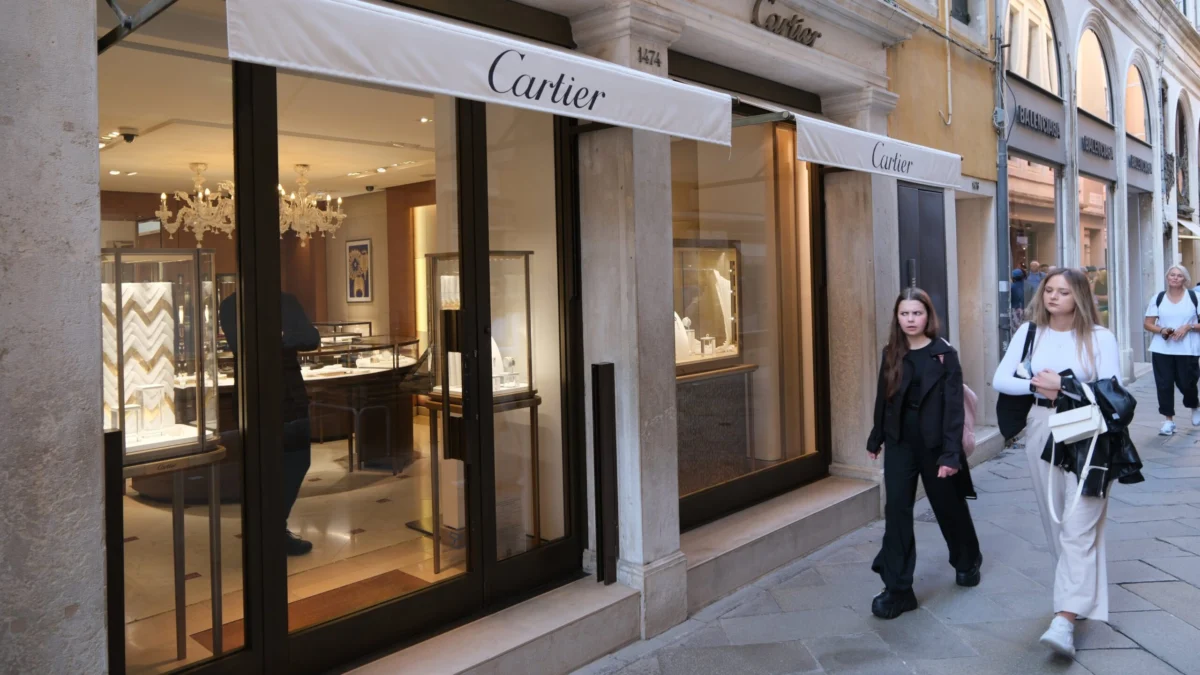
The spotlight is expected to shine brightest on Richemont’s jewellery maisons, particularly Cartier and Van Cleef & Arpels. These brands have consistently demonstrated remarkable resilience and growth, even amidst economic uncertainties. Their appeal is rooted in timeless design, exceptional craftsmanship, and the perception of jewellery as both a significant personal indulgence and a tangible, albeit depreciable, store of value.
Data from industry analysts consistently highlights the enduring strength of the high jewellery segment. For instance, recent reports from Bain & Company and Altagamma have indicated that personal luxury goods, with jewellery often leading the pack, have continued to see robust sales growth in key markets like Asia and the Middle East. This trend is likely to be reflected in Richemont’s figures, with strong sales driven by both established clientele and a growing cohort of younger consumers seeking investment-grade pieces.
The appeal of high jewellery is multifaceted. It offers a blend of emotional satisfaction, personal expression, and perceived investment security. Unlike fashion items that can fall out of trend, iconic jewellery pieces often transcend fleeting fads. Furthermore, the pandemic-induced surge in demand for tangible luxury assets has continued to buoy the sector, with consumers seeking to acquire pieces that offer lasting value and intrinsic worth. Richemont’s strategic investments in expanding its jewellery retail footprint and enhancing its digital offerings are also expected to have contributed to this strong performance.
Watches: Navigating a Choppy Market
In contrast to the glittering performance of jewellery, the watchmaking divisions within Richemont are likely to present a more complex picture. While prestigious brands such as Vacheron Constantin, Jaeger-LeCoultre, and Panerai command significant brand loyalty and a discerning clientele, the broader watch market has experienced fluctuations. The secondary market for luxury watches, which had seen an unprecedented boom in recent years, has shown signs of cooling. This recalibration can impact primary market sales as well, as some consumers may delay purchases or seek more value-oriented options.
Factors contributing to the watch market’s volatility include a slowdown in demand from certain regions, particularly China, which has been a significant engine of growth for luxury goods. Economic uncertainties and tighter consumer spending in some Western markets also play a role. Furthermore, the rise of smartwatches and connected devices, while not directly competing with haute horlogerie, has altered the landscape of everyday timekeeping and may influence the purchasing decisions of a broader consumer base.
Richemont’s strategy in the watch sector has been to focus on its heritage brands, emphasizing craftsmanship, exclusivity, and limited production runs. This approach aims to differentiate its offerings from mass-market alternatives and cater to collectors and enthusiasts who value the intricate mechanics and artistic expression of traditional watchmaking. However, even within this segment, the ability to consistently drive demand in a shifting economic climate will be a key determinant of success. The company’s performance in this area will be a crucial indicator of its ability to navigate the complexities of the contemporary watch market.
Fashion and Accessories: Under Persistent Pressure
The fashion and accessories segment within Richemont, which includes brands like Chloé, Alaïa, and Montblanc (for its leather goods and writing instruments), is expected to remain under pressure. The fashion industry is inherently dynamic, characterized by rapid trend cycles and intense competition. While Richemont’s fashion brands are renowned for their quality and design, they often operate in a more challenging environment than the more enduring luxury categories.
The post-pandemic recovery in fashion has been uneven. While certain segments have seen renewed interest, the overall market remains sensitive to consumer confidence and discretionary spending. Brands that rely heavily on seasonal collections and aspirational purchasing can be more vulnerable to economic downturns. Richemont’s efforts to revitalize some of its fashion houses and to leverage digital channels for these brands will be closely scrutinized in the upcoming report.
The performance of Montblanc, in particular, will be interesting to observe. While its writing instruments maintain a strong heritage appeal, the brand’s expansion into leather goods and other accessories faces a highly competitive landscape. The ability of these brands to resonate with younger consumers, who are increasingly influential in shaping luxury trends, will be a critical factor in their long-term success.

Broader Industry Implications and Analysis
Richemont’s financial results will provide a significant case study for the broader luxury industry. The diverging trajectories of its jewellery, watch, and fashion divisions underscore several key trends:
- The Enduring Appeal of Tangible Assets: High jewellery continues to benefit from its perception as an investment and a symbol of lasting value. This category is likely to remain a cornerstone of luxury portfolios.
- Market Maturation in Watches: The luxury watch market, while still strong, is moving beyond the speculative boom of recent years. The focus is shifting back to intrinsic value, brand heritage, and discerning collecting.
- The Dynamic Nature of Fashion: Fashion remains a more volatile segment, requiring constant innovation, brand relevance, and effective marketing to capture consumer attention and loyalty.
- Geographic Variations: Performance will likely continue to be influenced by regional economic conditions and consumer sentiment, with Asia and the Middle East remaining key growth drivers, albeit with evolving dynamics.
- The Importance of Digital Transformation: Richemont’s investments in e-commerce, digital marketing, and data analytics will be crucial in understanding and engaging with consumers across all its brands and categories.
Background Context: A Year of Economic Headwinds and Shifting Consumer Behavior
The period covered by Richemont’s annual report has been marked by significant global economic shifts. Persistent inflation in many key markets has squeezed household budgets, leading to a more cautious approach to discretionary spending for some consumer segments. Geopolitical tensions and supply chain disruptions have also added layers of complexity to global commerce.
In response to these challenges, luxury conglomerates have been adapting their strategies. Richemont, like its peers, has been focused on optimizing its retail network, enhancing customer experiences, and leveraging digital channels to reach a global audience. The company has also been active in managing its inventory and production to align with evolving demand patterns.
Timeline of Key Developments (Inferred)
While specific dates for Richemont’s internal performance are not publicly available outside of earnings reports, the broader industry context provides a timeline of influential factors:
- Late 2022 – Early 2023: Signs of cooling in the secondary luxury watch market begin to emerge, following a period of unprecedented price appreciation. Inflationary pressures start to impact consumer spending in various regions.
- Mid-2023: China’s economy shows signs of recovery after prolonged COVID-19 restrictions, leading to a renewed optimism for luxury sales in the region, though the pace of recovery remains a subject of observation.
- Late 2023 – Early 2024: Global economic forecasts remain mixed, with continued concerns about inflation and interest rate hikes in major economies. Luxury brands focus on reinforcing their core value propositions and investing in brand building.
- Current Period (Leading up to Richemont’s Report): Analysts and investors keenly await the financial disclosure to gauge the impact of these economic forces on different luxury segments and Richemont’s overall performance.
Statements and Reactions (Inferred Industry Sentiment)
While direct quotes from Richemont executives regarding these specific divisional performances are not yet available, the general sentiment within the industry, as reflected in analyst reports and market commentary, suggests a nuanced outlook.
"The resilience of the high jewellery segment is a testament to its unique position within the luxury landscape," commented a senior analyst from a leading financial research firm specializing in consumer goods. "It offers a blend of artistry, heritage, and perceived enduring value that resonates deeply with affluent consumers."
Regarding the watch sector, the same analyst noted, "The watch market is entering a phase of normalization after a period of extraordinary growth. Brands that can emphasize their craftsmanship and heritage, rather than relying on speculative demand, will be best positioned for sustained success."
On the fashion front, industry observers suggest that a strong brand identity and a clear understanding of evolving consumer tastes are paramount. "Fashion is a category that demands constant reinvention and a deep connection with its audience. Brands that can effectively communicate their unique story and adapt to shifting cultural trends will continue to thrive," stated a luxury consultant.
Broader Impact and Implications for the Luxury Sector
Richemont’s upcoming earnings report will have significant implications beyond its own balance sheet. It will serve as a vital data point for understanding the health of the global luxury market, influencing investment decisions, strategic planning for competitors, and consumer perceptions of different luxury categories.
The confirmed strength of jewellery is likely to encourage continued investment and strategic focus in this area by major players. The challenges faced by the watch sector may prompt a more conservative approach to expansion and a greater emphasis on core heritage collections. For fashion and accessories, the need for agility, innovation, and a strong digital presence will be underscored.
Ultimately, Richemont’s report will offer a clear snapshot of an industry in flux, highlighting the enduring power of certain luxury categories while also signaling the need for adaptation and strategic foresight in others. The ability of luxury conglomerates to navigate these diverging trajectories will be a defining factor in their success in the years to come.