Danny Garick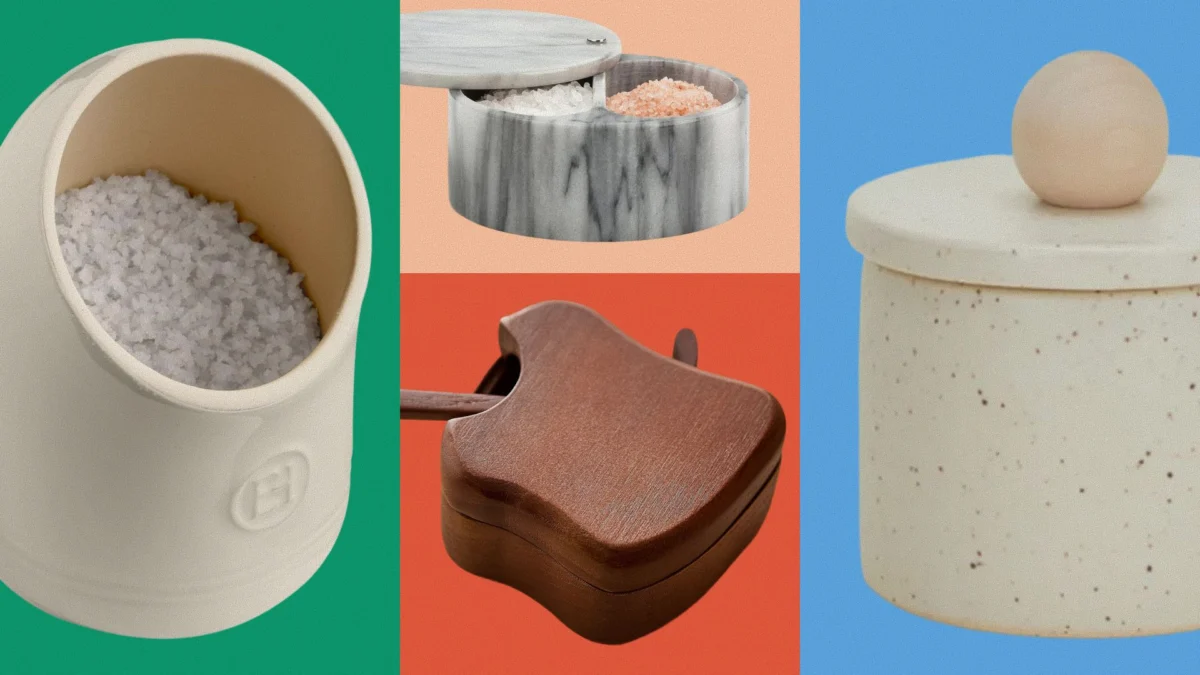
While modern home cooks frequently prioritize high-tech investments such as professional-grade espresso machines, precision knife blocks, and sophisticated cabinet organization systems, a fundamental element of culinary efficiency often remains overlooked: the salt cellar. As the primary seasoning agent in virtually every savory dish, salt requires a dedicated, accessible station within arm’s reach of the cooktop. This necessity has birthed a specialized market for salt storage solutions that balance ergonomic functionality with aesthetic appeal. In the contemporary kitchen, the salt cellar has transitioned from a mere utility to a centerpiece of design, reflecting a broader trend in home interior movements toward "functional luxury."
The Functional Evolution of Salt Storage
The history of salt storage is a reflection of the ingredient’s shifting status from a precious commodity to a household staple. In the medieval and Renaissance periods, the "Great Salt"—a large, ornate cellar—was placed on the table to indicate the status of guests; those seated "above the salt" were of higher rank. Following the industrialization of salt production in the early 20th century, specifically the 1911 introduction of anti-caking agents by Morton Salt, the traditional cellar was largely replaced by the perforated shaker.
However, the recent resurgence of artisanal cooking and the popularity of varied salt textures—such as coarse kosher salt and delicate Maldon sea salt—have rendered the traditional shaker obsolete for the serious home cook. A shaker does not allow for the tactile "pinch" required to gauge seasoning levels accurately. Consequently, the salt cellar has reclaimed its position on the countertop. Modern designs generally bifurcate into two primary categories: the "salt pig" and the lidded cellar.
The Anatomy of the Salt Pig versus the Lidded Cellar
The "salt pig" is a classic design characterized by a hood-like, curved opening that resembles a pipe emerging from the countertop. This architectural shape is intentionally engineered to protect the contents from kitchen grease, dust, and steam while maintaining a wide enough aperture for a cook to reach in mid-process. The lack of a lid is a deliberate ergonomic choice, allowing for one-handed access without the need to manipulate a latch or cover while handling raw proteins or stirring a hot pan.
Conversely, lidded cellars prioritize protection from moisture and humidity. These designs often utilize swivel tops or hinged lids that can be operated with a single finger. For kitchens in high-humidity environments, the lidded cellar prevents the salt from clumping, ensuring a consistent flow. The market now offers dual-compartment models, a response to the "finishing salt" movement, where cooks require one basin for heavy-duty kosher salt used during the cooking process and a second for premium flaky salts used at the moment of service.
Market Trends and Material Science in Kitchenware
The global kitchenware market, projected to reach a valuation of approximately $77 billion by 2030, has seen a significant uptick in the demand for artisanal ceramics and natural stone accessories. This growth is driven by a demographic of home cooks who view the kitchen as a curated space. Material choice in salt cellars is not merely an aesthetic decision but a scientific one.
Stoneware and unglazed ceramic are favored for their breathability; these materials naturally wick away excess moisture, keeping the salt dry. Marble, such as that used in RSVP International’s dual-compartment models, offers a cool, heavy base that provides stability on the counter and a timeless, "quiet luxury" appeal. Wood, particularly Japanese Hinoki used in Zero Japan’s lidded boxes, provides natural antimicrobial properties and a warm, organic texture that contrasts with the cold surfaces of stainless steel appliances.
High-Performance Recommendations for the Modern Kitchen
For cooks seeking a synthesis of tradition and durability, the Emile Henry "Made In France" Salt Pig remains a benchmark. Crafted from high-fired Burgundy clay, it is resistant to thermal shock and chipping, reflecting the brand’s 170-year history of ceramic excellence. For a more budget-conscious yet equally functional option, the Cole & Mason Strethall Ceramic Salt Pig offers a minimalist profile that fits into contemporary aesthetics without sacrificing the wide-mouth access necessary for professional-style seasoning.

In the realm of minimalist design, the Hawkins New York Speckled Salt Cellar and The Collective Home’s Aurum Salt Cellar cater to the "Scandi-industrial" trend. These pieces use neutral palettes and subtle textures to integrate seamlessly into marble or quartz countertops. Meanwhile, the Zero Japan Bee House Premium Salt Box represents the pinnacle of Japanese functional design, utilizing a stainless steel hinge and a Hinoki wood lid to ensure a tight seal and longevity.
The market has also seen a rise in "quirky" or maximalist kitchenware, as evidenced by hand-painted Portuguese ceramics and sardine-shaped vessels found on platforms like Etsy. These items serve as "conversation pieces" that break the monotony of modern kitchen design. Furthermore, the dual-compartment trend is exemplified by the Nude Silhouette 2-Cup Curved Tray, which provides a sleek, glass-based solution for organizing different salt varieties in a single footprint.
The Improvised Cellar: Versatility in Design
A significant sub-sector of the salt cellar trend involves the repurposing of non-culinary vessels. Professional chefs have long used "pinch bowls" or "ramekins," but the trend has expanded to include high-end ashtrays and glassware. The use of a "Pedro Tribute Ashtray" by Dada or Bormioli Rocco glassware as salt containers reflects a move toward eclectic, personalized kitchen styling.
The criteria for a successful improvised salt cellar are twofold: a wide opening and a stable base. For cooking salts, a larger diameter is required to accommodate the "three-finger pinch," whereas finishing salts can be housed in more delicate, smaller vessels like smoked cordial glasses. This versatility allows home cooks to express personal style while maintaining the mechanical advantages of a dedicated salt station.
Industry Perspectives and Culinary Implications
Culinary educators and professional chefs consistently emphasize that "under-seasoning" is the most common mistake made by home cooks. By moving the salt from a cabinet or a shaker into a dedicated cellar on the stove, the cook is psychologically and physically encouraged to season in layers throughout the cooking process.
"Salt is the most important ingredient in the kitchen, yet it is often the most poorly managed," notes a consensus of culinary analysts. "A salt cellar is not just a container; it is a tool that changes the way a cook interacts with food. The tactile feedback of feeling the grains allows for a level of precision that a mechanical shaker simply cannot provide."
The shift toward salt cellars also aligns with the environmental movement to reduce single-use plastics. By purchasing salt in bulk or paper-based packaging and transferring it to a permanent ceramic or stone cellar, consumers reduce the demand for plastic disposable shakers, contributing to a more sustainable kitchen ecosystem.
Broader Impact on Home Interior Trends
The elevation of the salt cellar is part of a larger movement known as "cluttercore" or "styled utility," where everyday objects are chosen for their ability to serve as decor. As open shelving and minimalist countertops continue to dominate interior design, every item left in view must earn its place. The salt cellar has become a symbol of the "lived-in" kitchen—a space that is both a functional laboratory for food and a curated reflection of the inhabitant’s taste.
In conclusion, the integration of a salt cellar into the home kitchen is a strategic move that enhances both culinary output and design integrity. Whether one opts for a traditional French salt pig, a Japanese lidded box, or a repurposed piece of modern glassware, the presence of a dedicated salt station is a hallmark of an organized and efficient cooking environment. As the home kitchen continues to evolve into a multi-functional hub of the house, the small but mighty salt cellar stands as a testament to the enduring importance of foundational tools in the art of cooking.