Nila Kartika Wati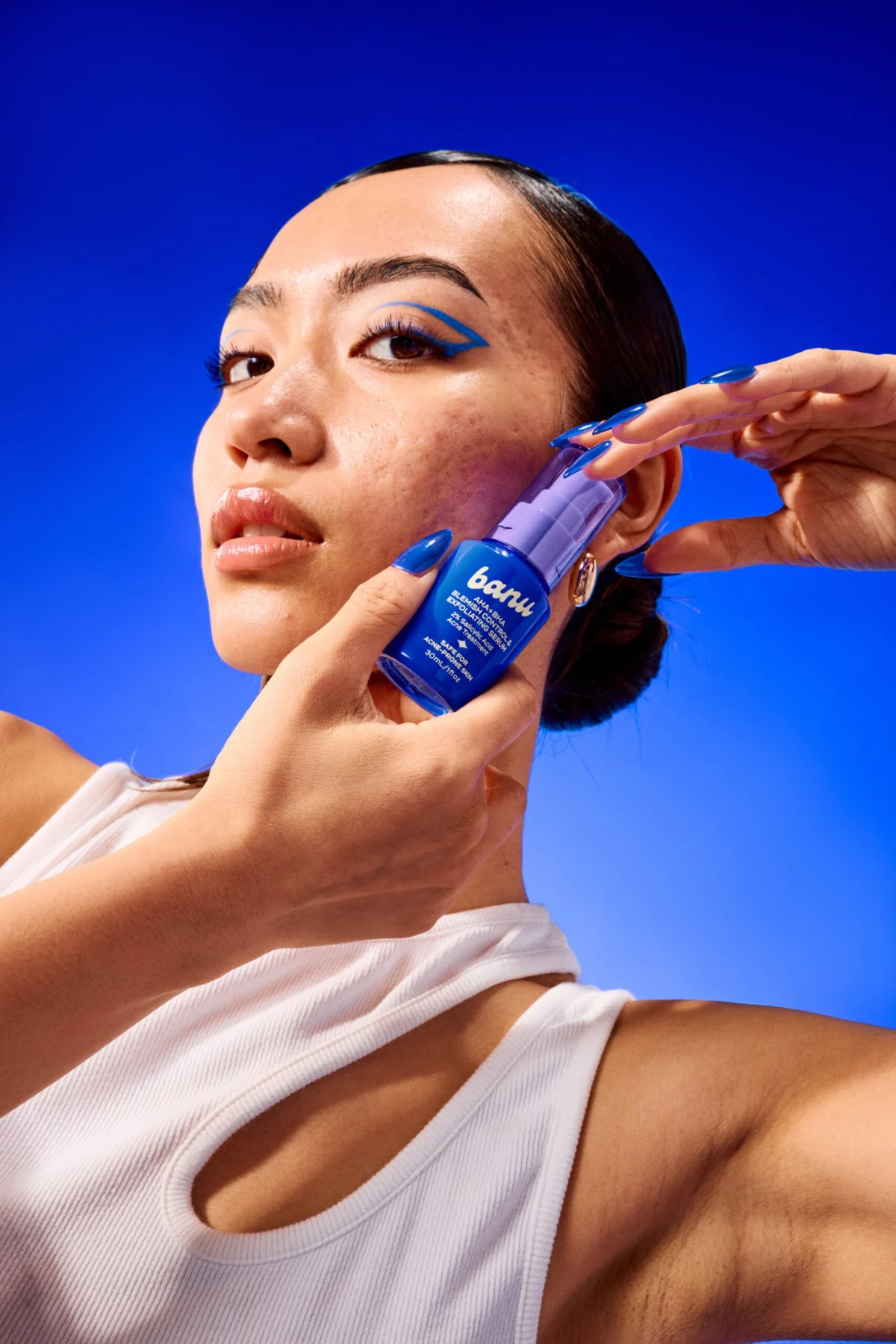
The global skincare market, a behemoth valued at over $150 billion, has long been a fertile ground for innovation and entrepreneurial spirit. Yet, within this expansive industry, one persistent concern has seen remarkably slow progress: acne care. Affecting an estimated 1.7 billion people worldwide, acne remains a significant dermatological and psychological challenge for a vast demographic. However, a new wave of skincare labels, spearheaded by influential figures and backed by a fresh approach, is finally poised to disrupt this historically stagnant segment, promising a more inclusive, informed, and effective landscape for consumers.
For decades, the approach to acne treatment has largely remained within the confines of established pharmaceutical and cosmetic giants. While effective treatments exist, the market has often been characterized by a limited range of active ingredients, a one-size-fits-all mentality, and a notable absence of truly novel formulations. This stagnation has left many consumers feeling underserved, struggling with persistent or recurring breakouts without finding solutions that cater to their specific needs, skin types, or ethical considerations. The emotional toll of acne – impacting self-esteem, social interactions, and overall quality of life – is well-documented, yet the industry’s response has, for too long, felt incremental rather than transformative.
The emergence of a new cohort of skincare brands, often founded or heavily promoted by social media influencers and celebrities, signals a significant shift. These figures, with their substantial online followings and direct connection to consumer sentiment, are bringing a much-needed spotlight to the complexities of acne care. By leveraging their platforms, they are not only raising awareness but also actively shaping product development and marketing strategies to address unmet needs.
The Rise of Influencer-Led Acne Solutions
The burgeoning trend is exemplified by the involvement of prominent personalities such as Alix Earle and Lili Reinhart. These individuals are not merely endorsing existing products; they are launching their own brands or deeply influencing the creation of new lines that are specifically designed to tackle acne. This direct engagement allows them to tap into the authentic experiences of their followers, identifying pain points and aspirations that might be overlooked by traditional market research.
Alix Earle, a TikTok sensation with millions of followers, has been a vocal proponent of simplifying skincare routines and demystifying complex ingredients. Her involvement in the beauty space, including the rumored development of her own ventures, suggests a desire to offer accessible and relatable solutions. Similarly, actress Lili Reinhart has been open about her own struggles with acne, using her public platform to advocate for more empathetic and effective treatments. Her ventures into skincare often emphasize a holistic approach, acknowledging the interplay between lifestyle, mental health, and skin condition.
These influencers bring more than just star power; they bring a unique understanding of the modern consumer’s journey with acne. They have witnessed firsthand the frustrations of navigating crowded beauty aisles, deciphering complex ingredient lists, and dealing with the often-disappointing results of conventional products. Their brands are therefore often positioned as being born from necessity and personal experience, aiming to provide the solutions they themselves wished they had.
Banu: A Case Study in Innovation and Empathy
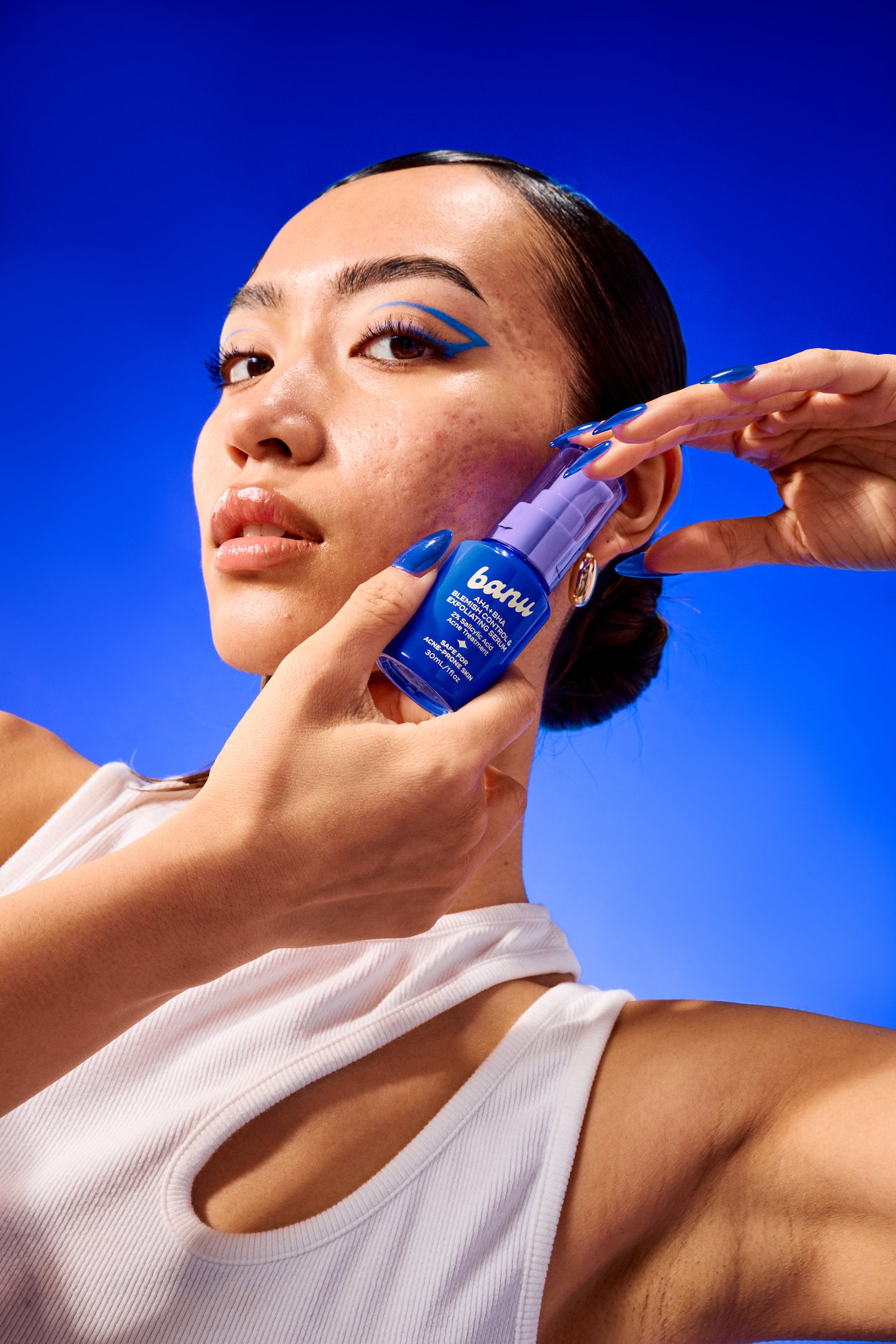
One brand illustrating this new paradigm is Banu, founded by Roz Samimi. Banu’s philosophy, encapsulated by the value of "progress over perfection," directly addresses the societal pressure and self-criticism often associated with acne. This nuanced approach recognizes that managing acne is a journey, not an immediate fix, and that celebrating small victories is crucial for sustained well-being.
Samimi’s background and the brand’s development story likely involve extensive research into ingredient efficacy, formulation science, and consumer feedback. The focus on "progress over perfection" suggests a departure from the often-unrealistic promises of flawless skin that have historically characterized the beauty industry. Instead, Banu aims to empower individuals by providing them with tools to manage their skin health effectively, fostering a sense of agency and self-acceptance.
The strategic choices made by brands like Banu, from their ingredient sourcing to their marketing messaging, are indicative of a broader industry awakening. They are moving beyond superficial solutions to address the root causes and psychological impact of acne. This includes a greater emphasis on transparency, education, and the development of products that are not only effective but also gentle, sustainable, and ethically produced.
Supporting Data and Market Trends
The global acne treatment market was valued at approximately $4.4 billion in 2022 and is projected to grow, but the rate of innovation has historically lagged behind other skincare categories. This is partly due to the complex nature of acne, which can be influenced by genetics, hormones, diet, stress, and environmental factors. However, recent advancements in dermatological research and a deeper understanding of the skin microbiome are opening new avenues for treatment.
- Prevalence: Over 85% of adolescents and a significant percentage of adults experience acne at some point in their lives.
- Market Size: The global acne treatment market is expected to reach over $6 billion by 2028, indicating substantial consumer demand.
- Ingredient Innovation: Research into new active ingredients like bakuchiol (a natural retinol alternative), niacinamide, and specialized forms of salicylic acid and retinoids is gaining traction.
- Consumer Demand for Transparency: Surveys consistently show that consumers, especially younger demographics, prioritize ingredient transparency and ethical sourcing in their purchasing decisions.
The entry of influencer-backed brands taps into this demand by offering a more relatable and trustworthy voice. These individuals often share their personal skincare routines, product reviews, and educational content, building a community around their brands that fosters loyalty and trust.
Chronology of a Stagnant Market and Emerging Solutions
Early Decades: Acne care was primarily dominated by over-the-counter products featuring basic ingredients like benzoyl peroxide and salicylic acid, alongside prescription-strength retinoids and antibiotics. Innovation was slow, with a focus on efficacy rather than user experience or holistic well-being.
Late 2000s – Early 2010s: The rise of social media began to democratize beauty content. Online forums and early beauty bloggers started to share personal experiences with acne, creating a demand for more diverse perspectives and product recommendations. However, the industry remained largely controlled by established players.
Mid-2010s – Late 2010s: The "clean beauty" movement gained momentum, influencing ingredient formulations and pushing for greater transparency. Some smaller brands began to emerge, focusing on gentler formulations and natural ingredients, but a true revolution in acne care was yet to materialize.
Early 2020s – Present: The proliferation of platforms like TikTok and Instagram has empowered a new generation of influencers with significant reach. Celebrities and content creators, like Alix Earle and Lili Reinhart, have leveraged their influence to launch or heavily invest in skincare brands. These brands often emphasize personalized approaches, ingredient education, and a more empathetic brand narrative, directly challenging the traditional acne care market. Brands like Banu, with their focus on "progress over perfection," are representative of this forward-thinking approach.
Analysis of Implications
The current shift in the acne care landscape has several significant implications:
- Increased Consumer Choice and Personalization: The influx of new brands means a wider array of products, catering to diverse skin types, concerns, and preferences. Consumers are no longer limited to a handful of established options.
- Democratization of Expertise: Influencers often translate complex dermatological information into accessible language, empowering consumers to make more informed decisions about their skincare.
- Focus on Holistic Well-being: The emphasis on "progress over perfection" and the acknowledgment of the psychological impact of acne suggest a move towards a more comprehensive approach to skin health, integrating mental and emotional well-being with topical treatments.
- Potential for Market Disruption: Established brands may face increased pressure to innovate and adapt their strategies to remain competitive. This could lead to a more dynamic and responsive market overall.
- Challenges in Regulation and Efficacy Claims: With the rise of influencer-driven brands, there is an ongoing need for robust regulatory oversight to ensure product safety and efficacy. Consumers must remain discerning and critical of unsubstantiated claims.
Broader Impact and Future Outlook
The revolution in acne care is more than just a business trend; it represents a cultural shift in how we approach skin health and self-acceptance. By bringing personal narratives and authentic experiences to the forefront, these new brands are fostering a more inclusive and supportive environment for individuals struggling with acne.
The success of brands like Banu, with their commitment to values like "progress over perfection," signals a growing consumer demand for authenticity and empathy in the beauty industry. As more influencers and entrepreneurs enter the space, we can expect further innovation in product formulations, ingredient research, and marketing strategies. The long-term impact will likely be a more personalized, effective, and empowering approach to acne care, benefiting millions worldwide. The Business of Fashion will continue to monitor this evolving landscape, providing in-depth analysis and intelligence on the brands and personalities shaping the future of skincare.