Ana Megawati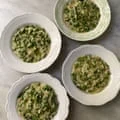
The arrival of spring ushers in a vibrant culinary landscape, marked by the return of fresh, seasonal produce, prominently featuring broad beans. These legumes, alongside peas and asparagus, form the cornerstone of many traditional and contemporary spring dishes, embodying a transition from the hearty fare of winter to lighter, more refreshing meals. This period is particularly significant for ingredients like broad beans, which offer a unique texture and flavor profile that shifts with their maturity, presenting diverse culinary possibilities. Understanding the characteristics of these seasonal staples, from their optimal harvest to their preparation techniques and historical significance, enriches the appreciation of dishes that highlight their inherent qualities, such as a recent spotlight on an orzo preparation featuring these very ingredients.
The Timeless Appeal and Cultivation of Broad Beans
Broad beans, scientifically known as Vicia faba, are one of the oldest cultivated plants, with archaeological evidence suggesting their consumption dates back to the Neolithic period. Originating likely in the Mediterranean region or Southwest Asia, they quickly spread across ancient civilizations, becoming a dietary staple in Europe, North Africa, and parts of Asia. Their resilience and high nutritional value made them a crucial food source, particularly before the widespread introduction of other legumes like kidney beans from the Americas. Today, broad beans are cultivated globally, thriving in temperate climates, with significant production in China, Ethiopia, and Mediterranean countries like Italy and Spain, where they remain deeply embedded in culinary traditions.
The lifecycle of the broad bean is critical to its culinary application. Young broad bean pods are often tender enough to be eaten whole, though this is less common for the mature beans. As the beans within the pods mature, they grow larger and firmer. This maturation process involves a conversion of sugars to starch, a common occurrence in many legumes and vegetables. For broad beans, this means that older, larger beans develop a starchier texture and a less sweet, more earthy flavor, making them better suited for longer cooking methods that help to tenderize them and break down their starches. Conversely, younger beans are prized for their sweetness and delicate texture, ideal for lighter preparations.
A distinguishing characteristic of broad beans is their opaque, often bitter outer jacket or skin. This jacket thickens and becomes more pronounced as the bean ages. While some culinary traditions embrace the jacket, particularly in rustic preparations, many prefer to remove it for a more refined texture and milder flavor. Traditional methods for removing these jackets include blanching the beans briefly in hot water, followed by an immediate plunge into cold water (shocking), which loosens the skin, allowing it to be easily squeezed off. This step transforms the bean, revealing a bright green, tender interior that is both visually appealing and texturally superior for many dishes. Even without blanching, the jackets can often be carefully peeled off using a fingernail, especially for fresher beans. The vibrant green hue of the skinned beans, sometimes likened to "green tiddlywinks," adds a delightful aesthetic to any plate.
Nutritional Profile and Health Benefits
Broad beans are not only versatile in the kitchen but also a nutritional powerhouse. They are an excellent source of plant-based protein, dietary fiber, and a wide array of vitamins and minerals. A typical serving provides significant amounts of folate, an essential B vitamin crucial for cell growth and metabolism, and manganese, vital for bone health and antioxidant defenses. They also contain good levels of iron, potassium, magnesium, and various antioxidants. The high fiber content aids in digestion, promotes satiety, and contributes to maintaining healthy blood sugar levels, making them a valuable component of a balanced diet. Studies have also pointed to their potential benefits in supporting cardiovascular health and managing cholesterol levels. The consumption of fresh, seasonal broad beans maximizes these nutritional advantages, as processing can sometimes diminish certain nutrient concentrations.
Cultural and Literary Resonance: Broad Beans Through the Ages
Beyond their nutritional and culinary attributes, broad beans hold a significant place in cultural and literary narratives. In Italy, particularly in the central and southern regions, the arrival of spring is synonymous with fave e pecorino, a simple yet profound pairing of fresh broad beans with young, firm sheep’s cheese (pecorino). This combination, often enjoyed raw as an appetizer or light meal, celebrates the freshness of the season and the robust flavors of regional produce. The salty, tangy notes of the cheese perfectly complement the sweet, slightly earthy taste of the young beans, creating a harmonious sensory experience. Similarly, other cheese pairings, such as with Lancashire cheese in England, highlight the versatility of broad beans across different culinary landscapes.
The literary world has also paid homage to this humble legume. George Eliot, in her classic novel Adam Bede, published in 1859, provides evocative glimpses into rural English life, where broad beans feature prominently. One memorable scene depicts Adam Bede striding through Mrs. Poyser’s bountiful garden, where he encounters a "superfluity of broad beans," a testament to their abundance and importance in the agrarian diet of the era. Another passage reveals Adam’s simple pleasure in eating cold broad beans directly from a large dish with his pocket knife, declaring their flavor superior even to the "finest pineapple." These literary references underscore not only the ubiquity of broad beans in historical diets but also their capacity to evoke a sense of wholesome, unadulterated pleasure. Eliot’s portrayal reflects a time when food was deeply connected to the land and daily life, and simple, seasonal ingredients were celebrated for their intrinsic value. This historical context provides a rich backdrop for understanding the enduring appeal of such ingredients in modern cuisine.
Orzo: The Versatile Grain-Shaped Pasta
Central to many contemporary spring dishes is orzo, a small, rice-shaped pasta that serves as a remarkably versatile canvas for fresh, seasonal ingredients. While "orzo" in Italian specifically refers to barley, in the context of pasta, it denotes a diminutive form of pasta, also known as risoni (meaning "big rice"). This dual nomenclature can sometimes cause confusion, but in culinary parlance outside of Italy, orzo almost exclusively refers to the pasta.

Orzo’s history is intertwined with the broader narrative of pasta in Italy, a food staple that evolved over centuries from simple flour and water preparations to the myriad shapes and forms we know today. Its small size and smooth texture allow it to blend seamlessly into various dishes, absorbing flavors without dominating them. Orzo is particularly adept at mimicking the texture and creaminess of rice in dishes like risotto, but with a significantly reduced cooking time and less intensive stirring requirement. This makes it an attractive alternative for home cooks seeking the comforting richness of a risotto-style dish with greater ease. Its adaptability extends to soups, where it adds substance without heaviness, and salads, where it contributes a pleasant chewiness.
The Symphony of Spring Vegetables in Harmony
The featured orzo dish epitomizes the celebration of spring by harmoniously blending broad beans with other seasonal stalwarts: peas and asparagus. Each component brings its unique contribution to the overall flavor and texture profile.
Asparagus, with its delicate spears and subtly earthy flavor, is a quintessential spring vegetable. Like broad beans, its seasonality is eagerly anticipated. The preparation of asparagus often involves snapping off the tough, woody ends, which can then be repurposed into flavorful broths, minimizing waste and maximizing taste. Its tips are prized for their tenderness and visual appeal, while the stems, when cut into rounds, integrate seamlessly into the pasta. Nutritionally, asparagus is rich in vitamins K, A, C, and folate, and contains powerful antioxidants.
Peas, whether fresh or frozen, contribute a burst of sweet, verdant flavor and a tender, slightly crisp texture. While fresh peas are unparalleled in their delicate sweetness, modern freezing techniques have significantly improved the quality of frozen peas, making them an excellent and often more convenient alternative, especially when fresh pods are not readily available or are out of season. Peas are a good source of vitamins C and K, as well as fiber and protein.
The combination of these vegetables with orzo creates a dish that is light yet satisfying, bursting with the fresh flavors of the season. The addition of butter, grated Parmesan cheese, and a generous amount of lemon zest elevates the dish, providing richness, umami, and a bright, acidic counterpoint that lifts all the other flavors. Parmesan, with its salty, nutty depth, enhances the savory notes, while lemon zest provides an aromatic freshness that is characteristic of Mediterranean-inspired cooking.
Crafting the Dish: A Culinary Approach
The orzo recipe, akin to a simplified risotto, showcases a mindful approach to cooking. The initial steps involve preparing the seasonal vegetables, such as snapping and slicing asparagus, with the optional but highly recommended step of creating an asparagus broth from the trimmings. This exemplifies a nose-to-tail approach for vegetables, extracting maximum flavor and nutrients. Sautéing diced onion and asparagus rounds in olive oil and butter forms the aromatic base, building layers of flavor before the orzo is added. The deglazing with dry white wine adds complexity and acidity, a classic technique in many Italian preparations.
The gradual addition of liquid—be it asparagus broth, vegetable stock, or water—is crucial for achieving the desired creamy consistency of the orzo. Unlike risotto, which demands constant stirring, this orzo preparation is more forgiving, requiring intermittent attention while simmering. The timing of adding the peas, broad beans, and asparagus tips halfway through the cooking ensures they retain their vibrant color and slight bite, preventing them from becoming overcooked and mushy. The final enrichment with more butter, grated Parmesan, and lemon zest off the heat binds the flavors and textures, creating a cohesive and luscious dish. The emphasis on achieving a "wavy consistency" upon serving, knowing it will thicken as it cools, reflects an understanding of the dynamics of pasta dishes, ensuring a delightful eating experience from the first spoonful to the last.
Broader Implications: The Trend Towards Seasonal and Sustainable Eating
This exploration of broad beans and a seasonal orzo dish fits within a larger global culinary trend emphasizing seasonal, local, and sustainable eating. Consumers and chefs increasingly prioritize ingredients that are at their peak freshness, both for superior flavor and for environmental reasons. Eating seasonally reduces the carbon footprint associated with long-distance transportation and supports local agricultural economies. Furthermore, it encourages a deeper connection to the natural cycles of food production, fostering a greater appreciation for the provenance of what we eat.
Culinary experts, including renowned food writers and chefs like Rachel Roddy (whose work frequently champions accessible, Italian-inspired cooking), consistently advocate for this approach. Their philosophies often revolve around the idea that simple, high-quality ingredients, handled with respect and understanding, yield the most satisfying results. This perspective aligns with historical culinary traditions where seasonality was not a choice but a necessity, and ingenuity was applied to make the most of what the land provided.
The enduring appeal of dishes centered around ingredients like broad beans is a testament to the timeless wisdom of seasonal cooking. It offers a tangible link to culinary heritage while inspiring innovative, flavorful meals that nourish both body and soul. As spring continues to unfold, the spotlight on these vibrant ingredients serves as a reminder of the bounty of nature and the endless possibilities it offers for delicious, wholesome food.