
 Ronny Sianturi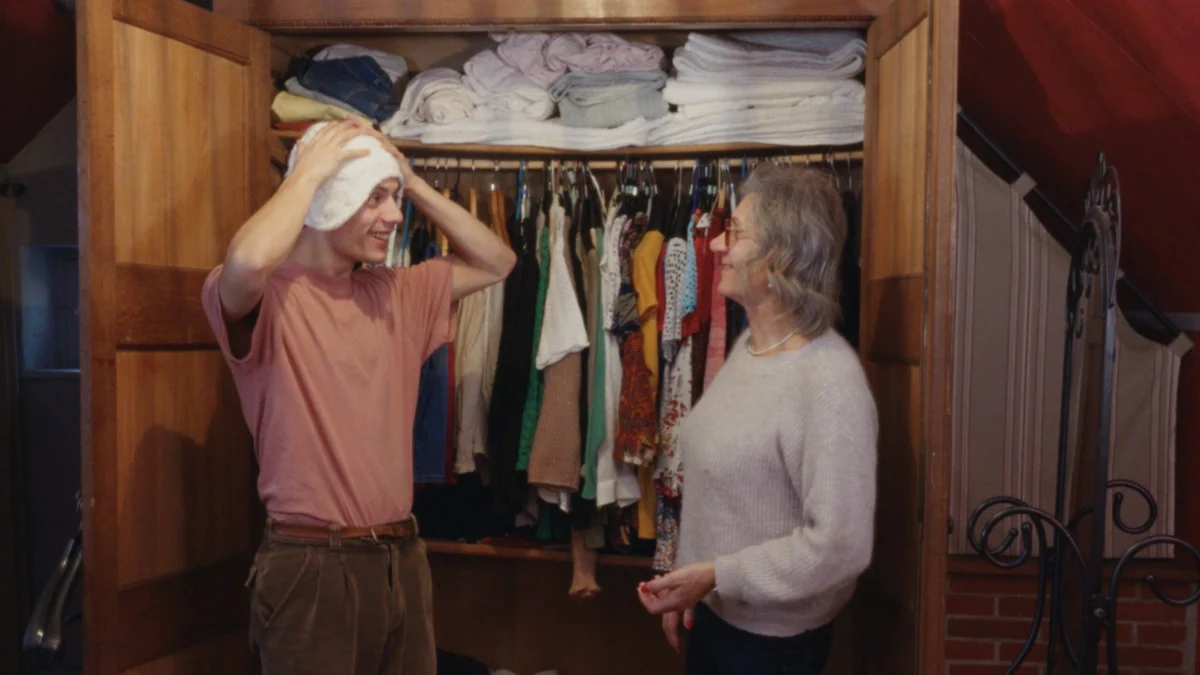
The intimate family documentary, A Secret Heart (Cœur Secret), is set to make its world premiere on Thursday, May 14th, within the ACID (Association for the Distribution of Independent Cinema) program at the Cannes Film Festival. This deeply personal film marks the feature directorial debut of 33-year-old French director Tom Fontenille, who also served as the cinematographer and co-wrote the screenplay with Valentine Bonnaz. The editing was overseen by Marie Bottois, with 5A7 Films producing the project. International sales are being managed by Lightdox, a company known for distributing acclaimed films such as Gabin and Fiume o morte!.
The synopsis for A Secret Heart offers a poignant glimpse into its narrative: "In the space of four years, Lilou emerged from secrecy. She became a 64-year-old woman who enjoys DIY projects, gardening, cycling, and spending time with her grandchildren." This transformation is at the heart of the film, as Fontenille himself articulated, "By documenting her transformation, I filmed a family healing its wounds and reinventing a place for each member. This family is my family; Lilou is my father." This statement immediately frames the documentary not just as a film about an individual’s journey, but as a profound exploration of familial dynamics and reconciliation.
The Genesis of a Cinematic Journey
The genesis of A Secret Heart was not initially conceived as a film. Director Tom Fontenille explained in a pre-premiere interview that his early filming was motivated by a desire to navigate difficult family matters, particularly the death of his mother. Communication with his father had become strained, prompting Fontenille to begin recording their conversations as a means of connection and understanding. "When I started to film my father, it was because I wanted to [address] difficult things in my family – my mother’s death, for example. And it was really difficult to communicate with my father. So, I started to just film our conversations, and in the beginning, my father was really reluctant," Fontenille recounted.

A pivotal moment arrived when Fontenille’s father requested to view some of the footage. His reaction was unexpectedly encouraging. "Your images are beautiful," the director recalled his father saying, a sentiment that marked a significant turning point. This conversation coincided with a personal discovery by Fontenille and his sister: they had found women’s clothing in their father’s closet, revealing his practice of cross-dressing. "We realized that he was cross-dressing," Fontenille shared with THR. The subsequent conversation between father and son led to a profound shift in the project’s trajectory. "When my father saw my [footage], he told me: ‘You can film me when I’m wearing women’s clothing, too.’"
This invitation opened a new avenue for Fontenille, transforming a personal endeavor into a potential cinematic work. "That’s when the filmmaker made a decision. ‘I started to believe there was a film, because of my father’s interest, and because of this new space that was opening to her and to me,’ Fontenille explained. ‘And I believed at that time that this was a theme for everyone, because there are universal themes, universal subjects’ addressed in the film." The realization that his father’s personal journey encompassed themes of identity, self-discovery, and acceptance resonated with Fontenille, leading him to believe the story held broader relevance.
A Family Chronicle of Transformation and Healing
The ACID website further elaborates on the film’s thematic core, stating, "In this family chronicle, each member is forced to readjust their place and confront what had remained buried and hidden. Little by little, a discreet but irreversible metamorphosis takes hold." This suggests that the film delves into the ripple effects of Lilou’s journey on the entire family unit, prompting introspection and a reevaluation of individual roles and relationships.
Pauline Ginot, general delegate of ACID, provided a compelling overview, describing the documentary as an "intimate family documentary – one that couldn’t be more humble – that also turns out to be a melodrama and a family epic." She elaborated on the narrative arc: "We start with a family of four whose lives are set in motion along several storylines: mourning the mother, the father undergoes a revolution, begins a gender transition, and then drags everyone along with him." This description highlights the film’s ambitious scope, blending personal narrative with universal themes of loss, change, and acceptance.

The film’s production timeline spanned approximately five years, culminating after the passing of Fontenille’s father. While Lilou may not have witnessed the final cut, she was privy to its development. "I used to show her a lot of images and a selection [of footage]," Fontenille said. "It looked good to her. But sometimes she just said, ‘Oh, there is too much dialogue.’" This anecdote underscores Lilou’s active engagement with the filmmaking process and her direct input, even if expressed in her own unique way.
The Significance of the Cannes Premiere
The world premiere at ACID within the prestigious Cannes Film Festival represents a significant milestone for A Secret Heart. For Fontenille, it is the realization of a long-held aspiration. "We couldn’t hope for anything better," he stated. The filmmaker also emphasized the importance of this platform for his father’s story: "And I think it’s good for my father as well. I know it was very important for her to show this film, and we had a lot of discussions about this. She believed this kind of movie could be a great way to make people aware of the subject and also help the family."
The decision to premiere at ACID, a program dedicated to supporting independent cinema and fostering dialogue around pressing social and artistic issues, is particularly fitting for a film of this nature. ACID’s selection process is known for its rigorous evaluation of films that challenge conventional narratives and offer fresh perspectives. Their commitment to showcasing films with strong artistic merit and societal relevance provides an ideal environment for A Secret Heart to resonate with audiences and critics alike.
Broader Implications and Context

The premiere of A Secret Heart arrives at a time when conversations around gender identity, family dynamics, and personal authenticity are increasingly prominent in global discourse. Documentaries that explore these themes with sensitivity and depth have the potential to foster empathy, challenge preconceptions, and contribute to a more inclusive understanding of human experience.
The film’s narrative, centered on a father’s gender transition within the context of familial grief and healing, touches upon a spectrum of complex emotions and societal pressures. By documenting this journey, Fontenille is not only honoring his father’s life but also contributing to a growing body of cinematic work that humanizes and demystifies transgender experiences. The fact that the film was conceived and executed as a deeply personal family project imbues it with an authenticity that is often sought after in documentary filmmaking.
The journey from reluctant conversations to a fully realized film underscores the power of vulnerability and the transformative potential of artistic expression. Fontenille’s own reflection on the process highlights this: "You have to understand and to touch on vulnerability to build the future from that. I think we knew that, not really consciously, but we felt it. And I knew it was the path I had to take to make me better and make my family better as well." This introspective aspect of filmmaking, where the act of creation itself becomes a catalyst for personal growth and familial reconciliation, is a testament to the profound impact that cinema can have on both the filmmakers and their subjects.
The film’s premiere at Cannes, a festival that often sets the tone for global cinematic trends and discussions, suggests that A Secret Heart is poised to capture significant attention. Its inclusion in the ACID sidebar further signals its commitment to independent filmmaking and its potential to spark meaningful dialogue. As Fontenille concluded, reflecting on his father’s enduring legacy, "And I know she’s happy somewhere." The film, in its essence, serves as a powerful tribute and a testament to the enduring strength of family bonds, even in the face of profound personal change. The broader implications of A Secret Heart lie in its capacity to illuminate the intricate tapestry of human identity and the universal quest for acceptance and belonging, offering a poignant reminder that the most profound stories often reside within the intimate circles of our lives.








