Ronny Sianturi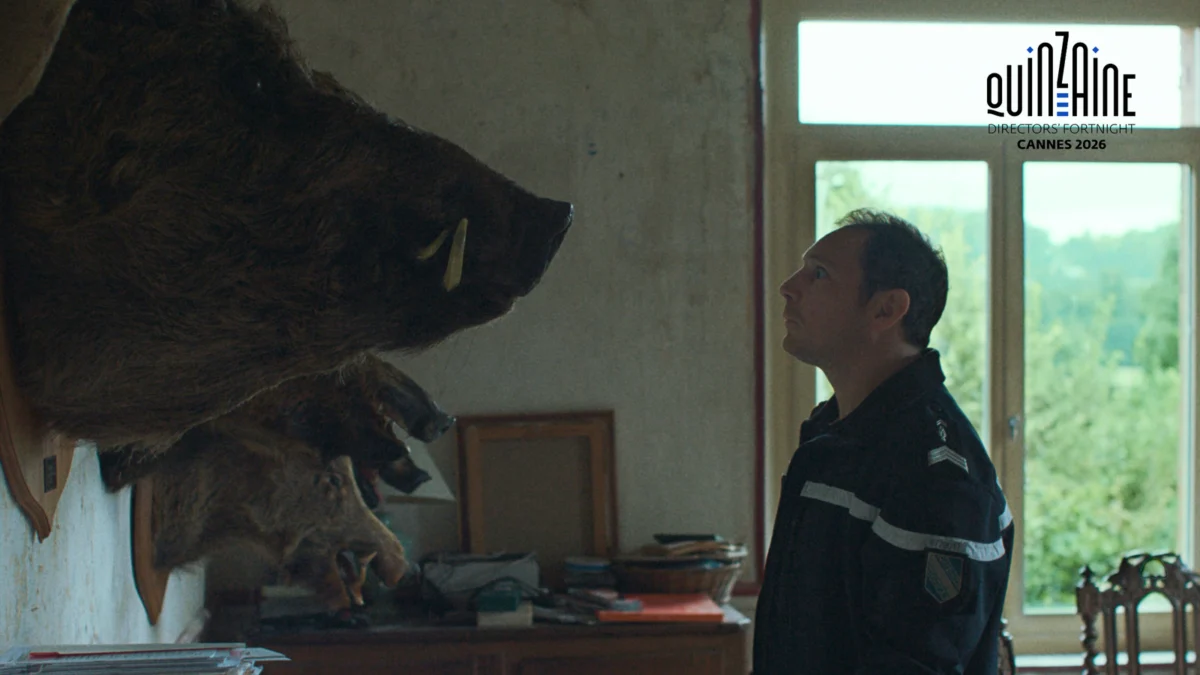
The cinematic landscape is set to be jolted by the arrival of Too Many Beasts (L’Espèce Explosive), a dark comedy-drama marking the directorial debut of Sarah Arnold. Co-written with Jérémie Dubois, Olivier Seror, Romain Winkler, and Mehdi Ben Attia, the film is poised to premiere in the prestigious Directors’ Fortnight (Quinzaine des Cinéastes) lineup at the Cannes Film Festival, a highly anticipated sidebar known for showcasing emerging and auteur cinema. This debut feature, which draws a compelling parallel between humanity’s agrarian revolution and a contemporary rural conflict, promises a thought-provoking and darkly humorous exploration of deeply ingrained societal divisions.
A Clash of Worlds: Farmers vs. Hunters
At its core, Too Many Beasts is a narrative born from a primal conflict, one that echoes the historical transition from nomadic hunting and gathering to settled agriculture. The film’s premise, as outlined in its synopsis, centers on an escalating feud in the French countryside. The immediate catalyst for this animosity is the relentless destruction of crops by wild boars, a natural phenomenon that ignites an open war between the local farming community and an exclusive gentlemen’s hunting club. The club’s practices, which involve feeding game between hunts, are presented as a direct contributor to the boar population’s proliferation, thereby exacerbating the farmers’ plight.
The central figure caught in this maelstrom is Brun, a bankrupt farmer fighting a desperate battle to keep his farm, and by extension, his livelihood, from succumbing to financial ruin. His desperation reaches a breaking point when the president of the hunting club pushes him beyond his tolerance. In a moment of explosive frustration and despair, Brun resorts to violence, shooting the club’s president before vanishing into the rural landscape. This act of defiance and desperation sets the stage for a wider investigation and a deepening of the film’s thematic concerns.
Unraveling the Mystery: A Volatile Duo
The narrative takes a significant turn a year after Brun’s disappearance. The investigation into the shooting falls into the hands of Fulda, portrayed by Alexis Manenti, an actor known for his impactful roles in Les Misérables and Les Indésirables. Fulda is depicted as a sharp-minded but emotionally wounded police officer, whose personal turmoil seems to mirror the societal fractures he is tasked with investigating. He is joined by Stéphane, played by Ella Rumpf, an actress who has garnered acclaim for her work in Couture, Grave, Freud, and Succession. Stéphane is a psychologist grappling with her own unaddressed issues, adding another layer of complexity to the investigative dynamic.
As Fulda and Stéphane delve deeper into the events surrounding the shooting, they begin to uncover a conspiracy that extends far beyond the immediate dispute between farmers and hunters. The synopsis hints at a revelation of a magnitude that dwarfs their initial expectations, suggesting that the "beasts" in the title are not solely confined to the wild boar population but also encompass the darker, more insidious forces at play within this seemingly idyllic rural setting. Furthermore, the unfolding investigation appears to forge an unexpected and potentially volatile connection between Fulda and Stéphane, adding a personal dimension to the unfolding drama.
Sarah Arnold’s Vision: A Legacy of Rebellion
Director Sarah Arnold brings a distinct personal vision to Too Many Beasts, one deeply rooted in her family history and her own philosophical outlook. In her director’s notes, Arnold reveals that the film’s rebellious characters are inspired by the "resistance" she witnessed in her parents and stepfather. Her mother’s involvement in political circles in 1970s Italy, her father’s seafaring dreams, and her stepfather’s punk rock leanings all contributed to an environment where questioning authority and challenging the status quo were implicitly encouraged.
Arnold openly admits to a lifelong difficulty in separating cinema from politics, with a central question driving her creative endeavors: "how do you obey when you are asked to accept injustice?" This fundamental inquiry underpins her work, including her acclaimed short films such as Leçon de ténèbres, which earned the jury award at the Turin Film Festival, Totems, recipient of the Pardino d’Oro at the Locarno Film Festival, and Store Policy. The characters in her shorts, and now in her feature debut, are united by their refusal to passively accept injustice, believing that "even when the odds are stacked against you, the fight is worth having." This philosophy imbues Too Many Beasts with a potent undercurrent of social commentary, exploring the consequences of systemic inequality and the human spirit’s capacity for defiance.
Technical Prowess and Industry Support
The visual and narrative coherence of Too Many Beasts is further bolstered by the contributions of its technical crew. Noé Bach serves as the cinematographer, tasked with capturing the atmospheric nuances of the French countryside and translating the film’s dark comedic tone into a compelling visual language. Isabelle Manquillet takes on the role of editor, shaping the pacing and rhythm of the narrative to enhance its dramatic and comedic impact. The film is being handled for international sales by Playtime, a company known for its involvement with critically acclaimed independent cinema, indicating a strong belief in Too Many Beasts‘ potential on the global festival circuit and beyond.
Cannes Debut and Industry Buzz
The selection of Too Many Beasts for the Directors’ Fortnight at Cannes is a significant achievement for a debut feature. This section of the festival is renowned for its discerning eye, often highlighting films that push creative boundaries and introduce groundbreaking talent to the international film community. The festival, typically held in May, represents a crucial platform for films seeking distribution deals and critical acclaim. The 2024 edition of the Cannes Film Festival, for instance, saw a diverse array of international films vying for attention, with the Directors’ Fortnight often serving as a launchpad for future award winners and critical darlings. The inclusion of Arnold’s film in this esteemed lineup suggests that Too Many Beasts possesses the artistic merit and narrative originality to resonate with discerning festival audiences and critics.
Anticipation and Exclusive Glimpse
Ahead of its world premiere on May 17th, The Hollywood Reporter has offered an exclusive preview of Too Many Beasts through a premiere clip. This strategic release serves to whet the appetite of audiences and industry professionals alike, providing a tangible glimpse into the film’s unique blend of humor and drama. The clip features Fulda, suggesting an early encounter that sets the tone for the investigative and character-driven elements of the film. The anticipation surrounding this premiere is amplified by the film’s strong cast, including Alexis Manenti, whose previous work has been lauded for its raw authenticity, and Ella Rumpf, an actress whose versatility has been showcased across a range of international productions.
The film’s narrative, which juxtaposes the seemingly simple conflict over agricultural land and wildlife with deeper societal undercurrents, offers fertile ground for critical analysis. The "farmers versus hunters" dynamic can be interpreted as a metaphor for broader societal divides, whether economic, class-based, or ideological. The film’s dark comedic approach suggests that these conflicts, while often tragic in their consequences, also possess an inherent absurdity that can be mined for satirical effect.
The success of debut features at major festivals like Cannes often hinges on their ability to offer a fresh perspective and a distinct directorial voice. Sarah Arnold’s background, as articulated in her director’s notes, suggests a filmmaker with a clear philosophical compass and a deep understanding of her characters’ motivations. Her stated commitment to exploring themes of injustice and resistance, coupled with her family’s history of challenging societal norms, points towards a film that is not only entertaining but also intellectually engaging.
The critical reception of Too Many Beasts at Cannes will undoubtedly shape its trajectory in the film market. A strong showing in the Directors’ Fortnight could lead to lucrative distribution deals, paving the way for wider international release. The film’s thematic relevance, touching upon issues of rural life, environmental conflict, and social dissent, could also resonate with audiences grappling with similar concerns in their own societies.
Furthermore, the presence of established actors like Alexis Manenti and Ella Rumpf lends significant weight to the project, drawing attention from both critics and potential distributors. Manenti’s recent work, particularly in films that explore the complexities of marginalized communities, has established him as a compelling screen presence. Rumpf’s international career, marked by roles in acclaimed European and American productions, indicates her ability to inhabit diverse characters with depth and nuance. Their collaboration in Too Many Beasts is likely to be a key draw for audiences.
The choice of a dark comedy-drama as a debut genre also speaks to a deliberate artistic strategy. This genre allows for the exploration of serious themes through a lens of wit and irony, potentially making the film more accessible and engaging for a broader audience. The success of films that navigate this tonal balance can be considerable, as they often manage to be both thought-provoking and highly entertaining.
The inclusion of a clip, a common practice for building buzz around festival films, allows for an early assessment of the film’s visual style, pacing, and the chemistry between its lead actors. The description of Fulda in the clip, hinting at a nuanced performance, suggests that the film will rely on strong character work to carry its narrative forward. The phrase "no, not quite talking turkey" playfully alludes to the film’s comedic undertones and the potential for misdirection or unexpected turns in the dialogue and plot.
In conclusion, Too Many Beasts arrives at the Cannes Film Festival with considerable promise. Sarah Arnold’s debut feature, with its compelling premise, strong cast, and thematic depth, is positioned to make a significant impact. The film’s exploration of societal conflict, rebellion, and the search for justice, framed within a dark comedic drama, suggests a cinematic experience that is both timely and timeless. The critical and commercial success of Too Many Beasts will be closely watched as it embarks on its festival journey, potentially marking the arrival of a significant new voice in international cinema.