Danny Garick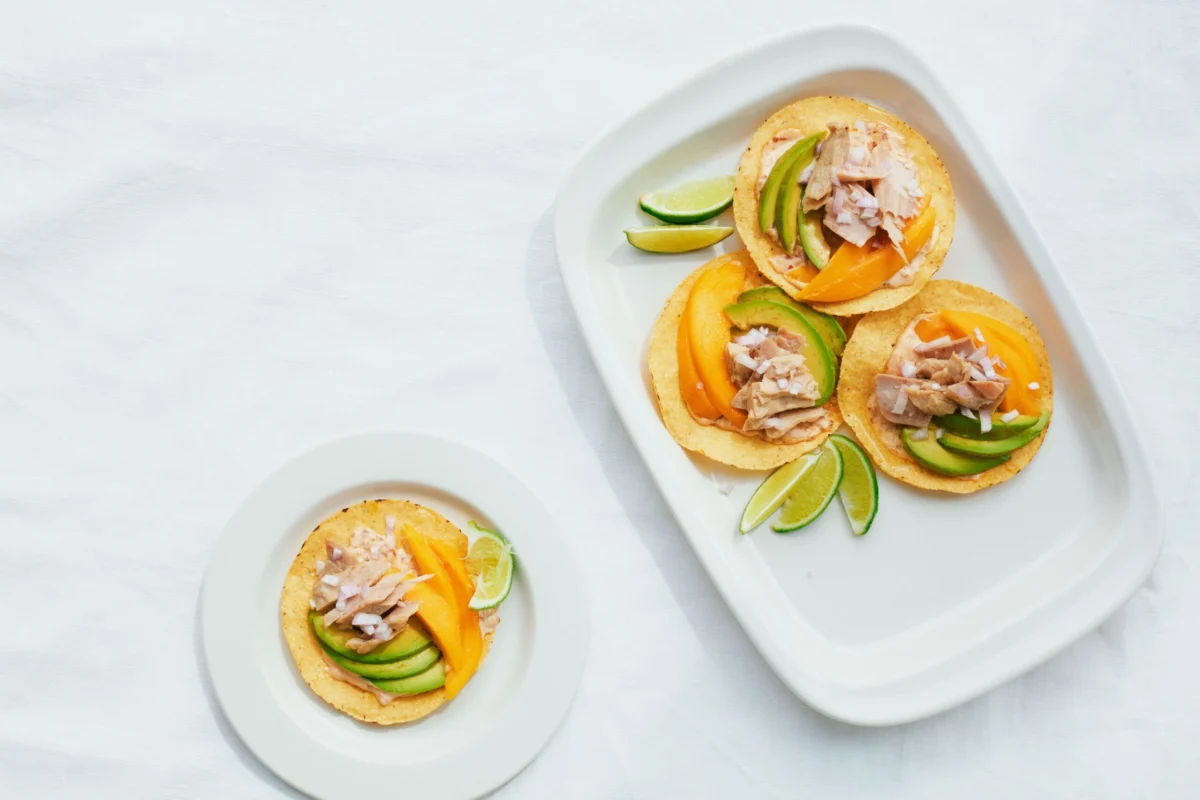
The culinary landscape is currently witnessing a significant shift as high-end gastronomic staples are being reimagined through the lens of accessibility and economic pragmatism. At the center of this movement is the iconic tuna tostada, a dish popularized by the world-renowned Mexico City restaurant Contramar, which has long served as a benchmark for contemporary Mexican seafood. While the original preparation relies on the precision of raw, sushi-grade tuna and labor-intensive garnishes, a new culinary trend emphasizes the use of premium shelf-stable alternatives, such as canned tuna in olive oil, to bring the experience of elite dining into the average domestic kitchen. This transition reflects broader changes in consumer behavior, where the "premiumization" of pantry staples allows home cooks to bypass the volatility of fresh seafood markets while maintaining high standards of flavor and texture.
The Gastronomic Landmark: Contramar’s Influence on Global Seafood Trends
To understand the significance of the tuna tostada, one must examine its origin at Contramar, located in the Roma Norte neighborhood of Mexico City. Opened in 1998 by Chef Gabriela Cámara, the restaurant revolutionized the way Mexican seafood was perceived both domestically and internationally. Before Contramar, seafood in the capital was often divided between casual street-side stalls and formal, European-style establishments. Cámara introduced a "palapa" style of dining—traditionally found on the coast—into an urban setting, focusing on the absolute freshness of the catch.
The tuna tostada became the restaurant’s signature dish, characterized by a crisp corn tortilla base, a thin layer of chipotle mayonnaise, slices of raw yellowfin tuna, avocado, and a topping of crispy deep-fried leeks. The dish has since been imitated by chefs across the globe, becoming a symbol of modern Mexican culinary identity. However, the logistical and financial barriers to replicating this dish at home are substantial. Sushi-grade tuna often retails for upwards of $30 per pound in United States markets, and the requirement for immediate consumption poses a challenge for casual home entertaining.
The Economic Shift: Navigating Rising Costs in the Premium Seafood Market
The pivot toward canned tuna in home-cooking adaptations is driven largely by economic factors and market availability. According to recent consumer price index data, the cost of fresh seafood has experienced significant fluctuations due to supply chain complexities and environmental regulations. For many households, the procurement of fresh, raw-grade fish is not only a financial burden but also a logistical hurdle, as it requires access to specialized fishmongers rather than standard grocery outlets.
In contrast, the market for "premium" tinned fish has seen a dramatic resurgence. Market research indicates that the global canned seafood market was valued at approximately $30 billion in 2022 and is projected to grow at a compound annual growth rate (CAGR) of 3.8% through 2030. This growth is fueled by a new generation of consumers who view canned seafood not as a "budget" fallback, but as a sophisticated, shelf-stable protein. High-quality preserved tuna, particularly varieties packed in extra virgin olive oil, offers a flavor profile that is rich, buttery, and structurally resilient, making it a viable candidate for complex culinary applications like the tostada.
Chronology of the Tostada’s Transformation
The evolution of the tostada from a traditional Mexican snack to a gourmet icon and eventually to a simplified home staple follows a clear timeline of cultural exchange:
- Late 1990s: Contramar opens and introduces the raw tuna tostada, merging Japanese-style raw fish preparation with Mexican street food architecture.
- 2010–2015: Mexico City emerges as a global "foodie" destination. International food critics and chefs highlight the tuna tostada as a "must-eat" dish, leading to its appearance on menus in New York, London, and Los Angeles.
- 2020–2022: The global pandemic shifts the focus toward home cooking. Shortages of fresh ingredients and a desire for comfort food lead to the "tinned fish" trend on social media platforms, where users share creative ways to use canned seafood.
- 2023–Present: Culinary publications and professional chefs begin endorsing canned seafood as a legitimate substitute for fresh fish in high-concept recipes, emphasizing sustainability and cost-effectiveness.
Culinary Adaptation: The Symbiosis of Smoke, Fat, and Acidity
The transition from raw tuna to canned tuna requires a strategic adjustment of supporting flavors to ensure the dish remains balanced. In the professional kitchen, the raw tuna provides a clean, oceanic sweetness. In the home-pantry version, the canned tuna brings a more savory, umami-forward profile. To balance this richness, the recipe utilizes a specific architecture of ingredients:

- The Base: A corn tostada provides the essential structural integrity and a "shatteringly crisp" texture that contrasts with the soft toppings.
- The Emulsion: Chipotle mayo serves as the primary seasoning agent. By combining canned chipotles in adobo—a staple of Mexican pantries—with mayonnaise, cooks achieve a "super sauce" that provides both heat and smoke.
- The Fat and Fruit: The addition of avocado provides a creamy mouthfeel, while the inclusion of fresh mango introduces a necessary acidity and sweetness. This addition of fruit is a departure from the original Contramar recipe but serves to brighten the heavier notes of the preserved fish.
- The Acid: Fresh lime juice is used to macerate shallots and dress the tuna, cutting through the oil and ensuring the palate remains refreshed.
Professional chefs noting this trend observe that the use of canned tuna actually makes the dish more "approachable" for the average diner. By removing the fear associated with handling raw fish, the recipe becomes a tool for culinary education, teaching home cooks about the importance of layering textures and balancing flavor profiles.
Market Trends: The Renaissance of Tinned Fish
The rise of the "tinned fish" movement, often referred to as "seafood charcuterie," has fundamentally changed the perception of canned goods. Data from retail analysts suggests that sales of high-end canned seafood—those priced between $5 and $15 per unit—have outpaced sales of traditional, water-packed tuna. This indicates a shift in consumer preference toward quality and provenance.
Industry experts attribute this trend to several factors:
- Sustainability: Tinned fish is often cited as a more sustainable option, as it utilizes species and cuts that are easier to manage under current fishing quotas.
- Portability: The shelf-stable nature of the product appeals to urban dwellers with limited kitchen space and busy lifestyles.
- Aesthetic Appeal: Modern branding of tinned fish has turned the product into a "luxury" item, often featured in gift baskets and high-end specialty shops.
Broader Implications: The Democratization of Fine Dining
The adaptation of the Contramar tuna tostada into a simplified, pantry-friendly version is a microcosm of a larger movement toward the democratization of food. In decades past, fine dining was defined by exclusivity and the use of rare, expensive ingredients. Today, the definition of "gourmet" is shifting toward the creative and skillful use of accessible ingredients.
This trend has significant implications for food journalism and recipe development. Publications are increasingly moving away from aspirational content that requires professional-grade equipment or exorbitant budgets, opting instead for "It’s That Simple" philosophies. This approach acknowledges the reality of the modern consumer’s life: a desire for world-class flavor without the barriers of high cost or complex technique.
Furthermore, this shift encourages a more globalized pantry. By teaching home cooks how to use chipotle in adobo, tostada shells, and lime juice effectively, the culinary industry is fostering a deeper appreciation for Mexican flavor profiles. The result is a more informed consumer base that understands the components of a dish like the Contramar tostada, even if they are enjoying it in a more casual, cost-effective form.
As the seafood industry continues to face challenges related to climate change and overfishing, the reliance on shelf-stable, high-quality preserved fish may move from a trend to a necessity. The canned tuna tostada stands as a testament to culinary ingenuity, proving that the essence of a world-class dish lies not in the price of its ingredients, but in the harmony of its flavors and the joy of its consumption. Through this lens, the "souvenir" of a Mexico City dining experience is no longer something to be packed in a suitcase, but something to be recreated and shared in kitchens everywhere.