Danny Garick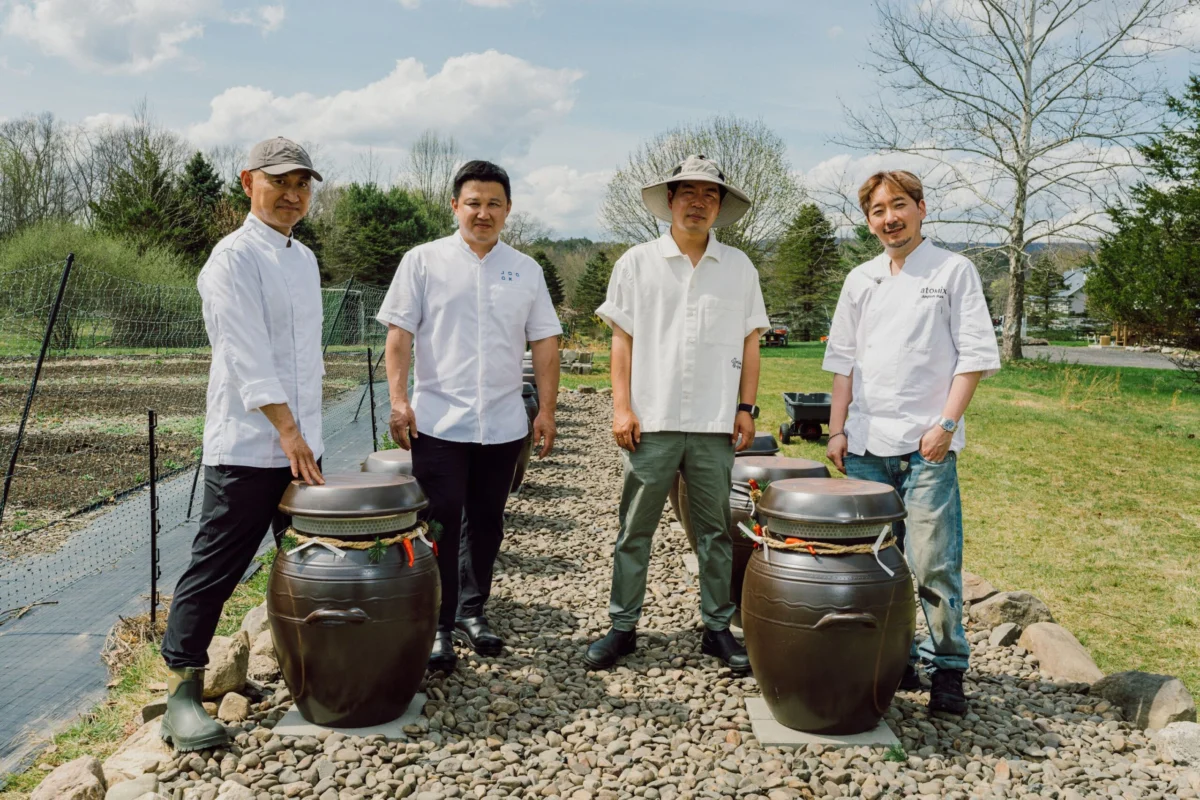
The landscape of New York’s Hudson Valley is undergoing a culinary transformation as a collective of the world’s most renowned Korean chefs moves beyond the kitchen to the soil itself. The initiative, known as First Hand Farm, represents a significant shift in the American fine-dining circuit, moving from a reliance on global supply chains to a localized, artisanal model of agriculture and fermentation. Led by Chef Chang-ho Shin, formerly of the two Michelin-starred Joo Ok in Seoul, the project seeks to solve a persistent challenge facing high-end Korean cuisine in the United States: the lack of consistent, high-quality, traditional Korean produce. By establishing a dedicated one-acre plot, Shin and his colleagues are not merely growing vegetables; they are transplanting a cultural philosophy that views the farm as the primary stage of the cooking process.
The Challenge of Culinary Displacement
The genesis of First Hand Farm lies in the professional frustration experienced by Chef Chang-ho Shin following his relocation to New York City in 2022. In South Korea, Shin’s culinary identity was inextricably linked to the land. His daily routine at Joo Ok involved direct engagement with local farmers, frequent visits to harvest sites, and a menu that shifted in lockstep with the micro-seasons of the Korean peninsula. Upon arriving in the United States, however, he encountered a significant logistical barrier. While New York City is a global hub for international commerce, the specific varietals of Korean flora essential for authentic namul—the seasoned vegetable banchan that serves as the foundation of the Korean table—were either entirely absent or of substandard quality.

Specifically, Shin found that perilla leaves, perilla seeds, and the diverse array of wild greens known as namul were difficult to source with the necessary freshness. When these ingredients were available through traditional distributors, the quality was often inconsistent, lacking the aromatic intensity and textural integrity required for Michelin-level preparation. Although Shin initially established relationships with existing Hudson Valley farmers to bridge this gap, he realized that a passive buyer-vendor relationship was insufficient. To achieve the precision his cuisine demanded, he required total control over the cultivation process, from seed selection to harvest timing.
A Coalition of Michelin-Starred Visionaries
Recognizing that the scale of such an agricultural undertaking exceeded the capacity of a single chef, Shin turned to his peers within the elite Korean culinary community in New York. This community has seen an unprecedented rise in influence over the last decade, with New York City becoming a global epicenter for modern Korean gastronomy. The partners who joined the First Hand Farm collective represent the vanguard of this movement: Hoyoung Kim of the Michelin-starred Jua; Ok Dongsik of the eponymous and highly acclaimed Okdongsik; and the power couple JP and Ellia Park. The Parks, through their Hand Hospitality group, manage an influential portfolio of restaurants including Atoboy, Naro, Seoul Salon, and the two Michelin-starred Atomix, which is frequently cited as one of the best restaurants in the world.
Each of these chefs faced similar sourcing obstacles. Hoyoung Kim noted that while high-quality proteins like wagyu beef or fresh Atlantic seafood were readily available through premium purveyors, the vegetable component of the Korean pantry remained a weak link. This shared necessity transformed a conceptual idea into a collective mission. The project was further bolstered by Director Joshua Lee, who helped oversee the logistical transition from fine dining to professional agriculture.

The Botanical Blueprint of First Hand Farm
Located in the fertile corridor of the Hudson Valley, First Hand Farm occupies a specialized one-acre plot. While small by industrial standards, the farm is densely planted with foundational Korean crops that are rarely grown at scale in the United States. The selection of produce is a "who’s who" of Korean botanical heritage, focusing on ingredients that define the flavor profile of traditional and modern dishes alike.
The farm’s inventory includes:
- Perilla (Kkaennip): A fragrant herb in the mint family, essential for wraps and pickling.
- Island Spinach: Known for its thick, succulent leaves and sweetness.
- Naengi (Shepherd’s Purse): A peppery, nutty root vegetable that signals the arrival of spring.
- Gomchwi (Fischer’s Ragwort): A bitter, aromatic green often used in wraps (ssam).
- Bujigaengi: A specialty green from Ulleungdo Island, prized for its unique scent.
- Wild Garlic and Daylily Shoots: Ingredients that provide the pungent, earthy base for many seasonal ferments.
The cultivation of these specific varietals in New York soil introduces the concept of "New York Terroir" to Korean cuisine. Chef JP Park has noted that the environmental factors of the Hudson Valley—its soil composition, water quality, and climate fluctuations—will inevitably impart a unique character to these traditional Korean plants, creating a hybrid culinary identity that is both authentic to its roots and reflective of its new home.

The Chronology of Jang: A Ritual of Time and Patience
Beyond the cultivation of fresh greens, First Hand Farm serves as a vital center for the production of jang, the fermented pastes (such as doenjang and ganjang) that constitute the soul of Korean flavor. The production of jang is not a singular event but a multi-year chronological process that relies on the natural environment.
The timeline for the farm’s current cycle began in late autumn, when fermented soybean blocks known as meju were prepared. These blocks are tied with rice straw and hung to dry, allowing natural bacteria and molds to colonize the soybeans. By the end of winter, the meju is ready for the next phase. In mid-April, the collective of chefs gathered at the farm for the "soaking" ritual.
The process involves several meticulous steps:

- Sterilization: The chefs use large earthenware jars called onggi. These vessels are microporous, allowing the ferment to "breathe." To ensure purity, the jars are sterilized using smoke from burning charcoal topped with honey, a traditional technique that fumigates the interior.
- Brining: The dried meju blocks are washed and submerged in a salt-water solution. The salt used is often specifically sourced Korean sea salt, valued for its mineral content.
- Balancing: To the brine, the chefs add dried jujubes (red dates) and dried chili peppers. The jujubes provide natural sugars and antioxidants to feed the fermentation, while the chilies act as natural antimicrobials to stabilize the environment.
- Separation and Aging: After several months of soaking, the liquid and solids will be separated. The liquid becomes ganjang (soy sauce), and the solids are mashed to become doenjang (soybean paste).
These products are then aged for years. In Korean tradition, the value of jang increases with age, with three-year, five-year, and even ten-year vintages offering increasing levels of umami and complexity.
Educational Integration and the Next Generation
A central pillar of the First Hand Farm project is its commitment to education. The chefs have integrated students from the Culinary Institute of America (CIA) into the farm’s operations. By involving young cooks in the labor-intensive processes of salt measurement, meju preparation, and harvesting, the project aims to bridge the gap between the kitchen and the land.
Chef JP Park emphasized that the modern kitchen environment can often feel disconnected from the natural world. By bringing staff and students to the Hudson Valley, the project fosters a deeper understanding of the "continuity" of food—the idea that a dish does not begin when a chef turns on a stove, but when a seed is planted or a soybean block begins to ferment. This educational aspect is viewed as a critical investment in the future of the American culinary landscape, ensuring that the next generation of chefs respects the slow, deliberate pace of traditional preservation methods.

Strategic Analysis: The Broader Impact on Global Gastronomy
The establishment of First Hand Farm coincides with a period of explosive growth for Korean culture on the global stage. According to data from the Michelin Guide, the number of Michelin-starred Korean restaurants in New York has increased significantly over the past decade, signaling a move from "ethnic niche" to "culinary mainstream."
The farm represents a strategic evolution in this trend. As Korean cuisine becomes more established, the focus is shifting from accessibility to "hyper-authenticity" and "terroir-driven" menus. By producing their own ingredients and ferments, these chefs are insulating themselves from global supply chain disruptions and inflationary pressures on imported specialty goods. Furthermore, they are creating a proprietary flavor profile that cannot be replicated by competitors using commercial, store-bought pastes.
Redefining the Parameters of Hospitality
For the founders of First Hand Farm, the project ultimately redefines the meaning of hospitality (jeong). Ellia Park noted that the name "First Hand" carries a dual significance: it refers to the physical labor of growing food with one’s own hands and the "first gesture" of care that makes hospitality possible.

As the farm moves into its first full growing season, it stands as a testament to the power of community over competition. In an industry often characterized by intense rivalry, the collaboration between Joo Ok, Jua, Okdongsik, and Atomix suggests a new model for the restaurant industry—one where shared resources and collective cultural preservation take precedence. First Hand Farm is more than an agricultural venture; it is a living laboratory for the future of Korean-American identity, proving that while roots may be transplanted, they can flourish with renewed vigor in new soil.