
 Johny Marice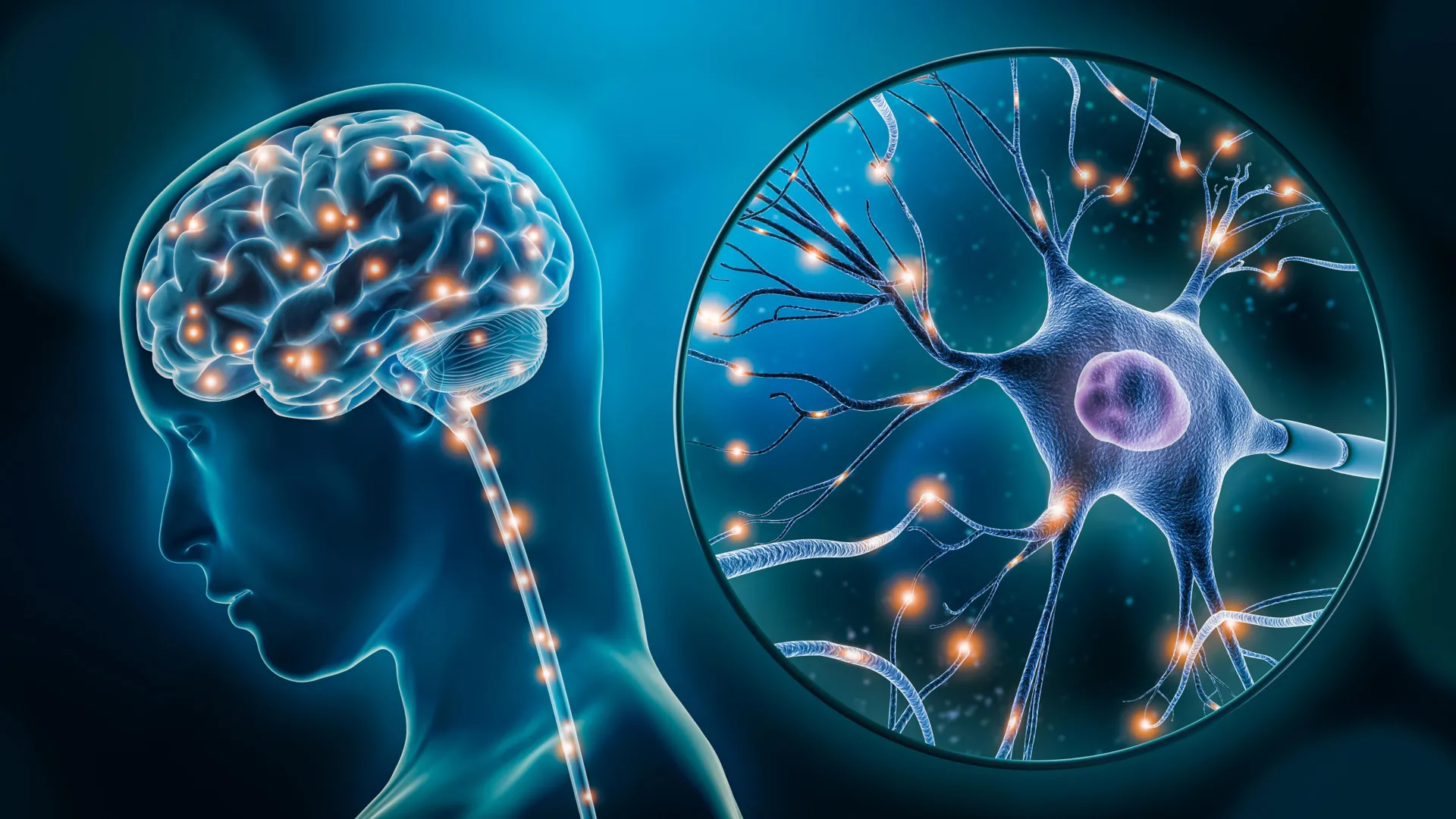
Researchers at McGill University and the Douglas Institute have unveiled a groundbreaking discovery, pinpointing two distinct types of brain cells that exhibit differential functioning in individuals diagnosed with depression. This pivotal research, published in the prestigious journal Nature Genetics, offers a critical advancement in understanding the biological underpinnings of depression, a condition affecting over 264 million people globally and standing as a foremost cause of disability. The findings have the potential to pave the way for novel therapeutic strategies precisely targeting these identified cellular pathways.
The study, led by Dr. Gustavo Turecki, a distinguished professor at McGill, clinician-scientist at the Douglas Institute, and holder of the Canada Research Chair in Major Depressive Disorder and Suicide, represents the first instance of identifying specific brain cell types implicated in depression through a comprehensive mapping of gene activity alongside sophisticated DNA regulatory mechanisms. "This is the first time we’ve been able to identify what specific brain cell types are affected in depression by mapping gene activity together with mechanisms that regulate the DNA code," Dr. Turecki stated. "It gives us a much clearer picture of where disruptions are happening, and which cells are involved." This enhanced clarity is crucial for developing more effective interventions for a condition that has historically been viewed through a purely psychological lens, often overlooking its profound biological components.
A Crucial Resource: Post-Mortem Brain Tissue Enables Biological Insights
The scientific breakthrough hinges on the utilization of rare post-mortem brain samples meticulously preserved at the Douglas-Bell Canada Brain Bank. This facility stands as a unique repository worldwide, housing donated brain tissue from individuals who experienced psychiatric conditions. Such a resource is invaluable for researchers seeking to delve into the biological architecture of mental health disorders, providing a direct window into the cellular and molecular changes associated with these complex conditions.
Employing cutting-edge single-cell genomic techniques, the research team meticulously analyzed both RNA and DNA from thousands of individual brain cells. This advanced methodology allowed for the precise identification of cellular behaviors that differed between individuals with depression and those without. Furthermore, it enabled the identification of specific genetic patterns that may account for these observed differences. The study’s robust design included samples from 59 individuals with a diagnosed history of depression and a control group of 41 individuals without the condition, ensuring a statistically significant basis for the conclusions drawn.
Identifying Key Cellular Players: Excitatory Neurons and Microglia Under Scrutiny
The comprehensive analysis revealed significant alterations in gene activity within two critical categories of brain cells: a specific group of excitatory neurons and a particular subtype of microglia.
Excitatory Neurons and Mood Regulation: The identified excitatory neurons play a fundamental role in the brain’s intricate network responsible for mood regulation and the organism’s response to stress. In individuals with depression, the study found that many genes within these neurons exhibited altered levels of activity. This dysregulation suggests a potential impairment in their capacity to effectively manage mood and process stress signals, contributing to the pervasive feelings of sadness, anhedonia, and heightened sensitivity to stressors characteristic of depression. These neurons are vital for transmitting signals that promote activity and engagement, and their altered function could lead to a diminished capacity for positive emotional experiences and an exaggerated response to adversity.
Microglia and Neuroinflammation: Equally significant were the changes observed in a subtype of microglia. Microglia are the resident immune cells of the central nervous system, playing a crucial role in maintaining brain health by clearing cellular debris, pruning synapses, and modulating inflammatory responses. The research indicated that in individuals with depression, these microglia displayed altered gene activity patterns. This finding is particularly noteworthy, as neuroinflammation has increasingly been implicated as a significant factor in the pathophysiology of depression. Dysfunctional microglia could contribute to an overactive inflammatory state within the brain, potentially disrupting neuronal function and contributing to the symptoms of depression. The balance of pro-inflammatory and anti-inflammatory signaling orchestrated by microglia is critical for neuronal survival and plasticity, and their altered behavior could disrupt this delicate equilibrium.
The observed differences in gene expression within both these cell types strongly suggest that fundamental biological systems involved in mood, stress response, and immune surveillance within the brain are not functioning optimally in individuals with depression. These cellular disruptions offer a tangible biological explanation for how depression can manifest and persist at a molecular and cellular level.
Reframing Depression: A Biological Disorder with Measurable Brain Changes
This seminal research significantly strengthens the scientific consensus that depression is not merely an abstract emotional or psychological affliction but a disorder with profound and measurable biological underpinnings. By precisely identifying the specific cell types involved and the associated genetic alterations, the study effectively challenges historical perspectives that may have relegated depression to the realm of subjective experience, divorced from concrete physiological mechanisms.
Dr. Turecki emphasized this point: "This research reinforces what neuroscience has been telling us for years. Depression isn’t just emotional, it reflects real, measurable changes in the brain." This assertion is critical for destigmatizing mental illness and fostering a more empathetic and scientifically informed approach to treatment and public health policy. The ability to demonstrate tangible biological correlates of depression can empower individuals seeking help and encourage greater investment in research and clinical care.
The Chronology of Discovery and Future Research Directions
The journey leading to this discovery is rooted in years of dedicated research into the neurobiology of mood disorders. While the precise timeline of this specific study’s data collection and analysis is not detailed, the methodology employed, particularly single-cell genomic techniques, has seen rapid advancement in the last decade. The availability of well-characterized post-mortem brain banks, like the Douglas-Bell Canada Brain Bank, represents decades of commitment to collecting and preserving these vital samples.
The findings from this study are not an endpoint but a crucial stepping stone. The research team is now poised to embark on the next phase of their investigation, focusing on elucidating how these identified cellular differences translate into broader disruptions in overall brain function. A key objective will be to determine whether therapeutic interventions specifically designed to modulate the activity of these implicated excitatory neurons and microglia could lead to more effective and targeted treatments for depression. This could involve exploring pharmacological agents that enhance neuronal communication, reduce neuroinflammation, or restore the normal functioning of these cellular pathways.
Broader Impact and Implications for Mental Health Treatment
The implications of this research extend far beyond the scientific community. For individuals living with depression, it offers a beacon of hope, suggesting that future treatments may be more precise, personalized, and effective. The identification of specific cellular targets could lead to the development of therapies that address the root biological causes of the illness, rather than solely managing symptoms.
Furthermore, this work contributes to a growing body of evidence that underscores the importance of integrating biological and psychological approaches to mental healthcare. By reinforcing the reality of brain changes in depression, the research can foster greater public understanding and reduce the stigma associated with seeking treatment. It also has the potential to influence how depression is diagnosed and managed in clinical settings, encouraging a more holistic and neurobiologically informed approach.
The Canadian Institutes of Health Research, the Brain Canada Foundation, the Fonds de recherche du Québec – Santé, and the Healthy Brains, Healthy Lives initiative at McGill University provided crucial funding for this endeavor, underscoring the national and international recognition of the importance of this research. Their sustained support is vital for continuing to unravel the complexities of depression and to translate scientific discoveries into tangible benefits for patients.
The paper, titled "Single-nucleus chromatin accessibility profiling identifies cell types and functional variants contributing to major depression," authored by Anjali Chawla and Gustavo Turecki et al., represents a significant milestone in the ongoing quest to understand and treat depression, a condition that continues to profoundly impact lives worldwide. This research heralds a new era in depression science, one that is increasingly focused on the intricate cellular and molecular mechanisms driving this debilitating illness.








