Ferry Irwandi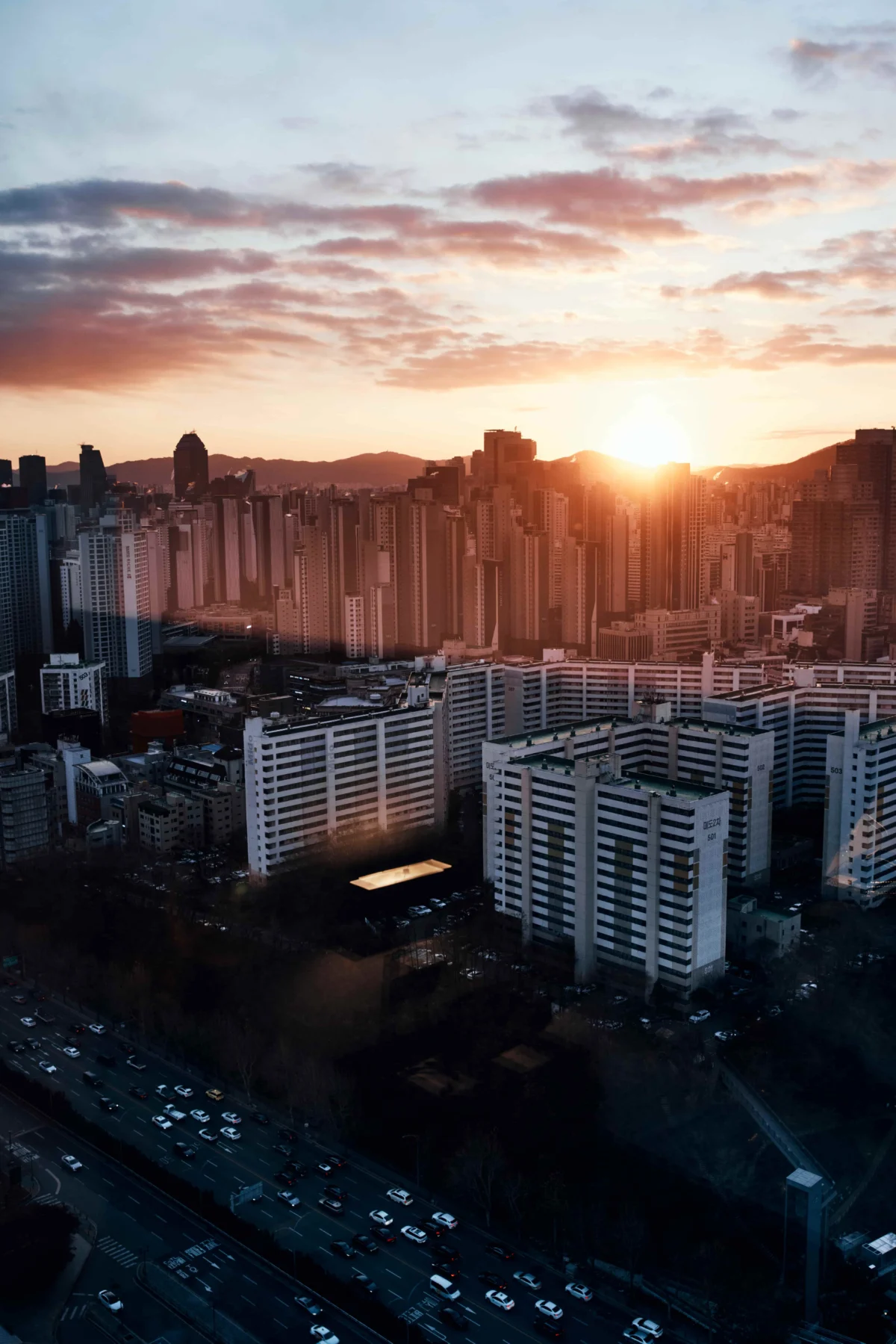
Seoul has emerged as a premier global cultural epicenter, characterized by a high-octane blend of historical preservation and rapid-fire modernization that has reshaped the international perception of South Korea. This transformation, often referred to as the "Miracle on the Han River," has transitioned the nation from a war-torn agrarian society into a leading G10 economy and a dominant force in the global "soft power" rankings. Central to this evolution is the city’s vibrant art scene, its culinary innovation, and the pervasive influence of "Hallyu," or the Korean Wave, which continues to draw record numbers of international travelers and investors to the peninsula.

The Evolution of the Seoul Art Market and Global Integration
The 2022 launch of Frieze Seoul marked a definitive shift in the global art hierarchy, positioning the South Korean capital as a primary competitor to established hubs like Hong Kong and Tokyo. Under the leadership of Patrick Lee, director of Frieze Seoul, the fair has catalyzed a permanent international presence in the city. The establishment of Frieze House, a year-round art space, alongside the expansion of international blue-chip galleries such as Pace, Lehmann Maupin, and Thaddaeus Ropac, underscores the maturity of the local market.
According to data from the Korea Arts Management Service (KAMS), South Korea’s art market surpassed 1 trillion won ($750 million) in sales for the first time in 2022. This growth is supported by a sophisticated domestic infrastructure that includes the Leeum Museum of Art, founded by the Samsung Foundation of Culture, and the Art Sonje Center, which has been a pillar for experimental contemporary art since 1998. The city’s art-loving demographic is notably youthful, with "art-tech" (investing in art) becoming a popular trend among millennials and Gen Z, further fueling the demand for both traditional Korean ceramics and avant-garde installations by artists like Lee Bul and Adrian Villar Rojas.

Historical Resilience and the Miracle on the Han River
To understand Seoul’s current dynamism, one must examine its trajectory since the mid-20th century. In 1953, following the devastation of the Korean War and decades of Japanese colonization, South Korea was among the poorest nations on earth, with a per capita gross national income (GNI) of approximately $67. The city’s architecture reflects this turbulent history; the "hanok"—traditional curved-roof wooden houses—often stand in the shadows of glass-and-steel skyscrapers.
The restoration of sites like Gyeongbokgung Palace, originally built in 1395 and destroyed multiple times by foreign invasions, serves as a metaphor for the nation’s resilience. The South Korean government has prioritized the reconstruction of cultural heritage not merely for tourism, but as a means of reclaiming national identity. This commitment to cultural preservation exists alongside a relentless drive for progress, resulting in a city where 4:00 a.m. karaoke sessions and 24-hour business districts are the norm.

Hallyu: A Strategic Engine for Soft Power
The rapid ascent of South Korean culture—spanning film, music, literature, and skincare—is the result of both organic creativity and strategic state-level investment. Following the 1997 Asian financial crisis, the South Korean government identified "content" as a key export industry. This led to the creation of the Basic Law for the Cultural Industry Promotion in 1999, which allocated significant portions of the national budget to the Ministry of Culture, Sports and Tourism (MCST).
The dividends of this strategy are evident in global consumption patterns:

- Television and Film: Squid Game remains the most-watched series in Netflix history, while films like Parasite have achieved unprecedented Academy Award success.
- Music: K-pop has evolved into a multi-billion dollar industry, with groups like BTS and BLACKPINK driving global trends in fashion and consumer behavior.
- Literature: The 2024 Nobel Prize in Literature awarded to Han Kang signifies the arrival of Korean fiction on the highest stage of international acclaim.
- Beauty: The "K-Beauty" sector is projected to reach a global market value of $18.32 billion by 2030, driven by innovations in skincare and ingredients like fermented extracts and traditional herbs.
The Culinary Landscape: From Tradition to Global Ambition
Seoul’s culinary scene has undergone a similar professionalization, moving from localized comfort food to Michelin-starred innovation. Chef Kang Mingoo of Mingles has been a pivotal figure in this transition, utilizing "jang"—traditional fermented pastes such as gochujang (chili), doenjang (soybean), and ganjang (soy sauce)—to bridge the gap between ancient Korean flavors and modern fine dining.
The city’s food culture is characterized by extreme diversity, ranging from the high-end "hanwoo" beef (prized Korean cattle) found in Gangnam’s Byeokje Galbi to the bustling stalls of Gyeongdong Market. The "banju" tradition—the practice of pairing food with alcohol—has seen a revival through premium soju brands like Hwayo and craft makgeolli (rice wine) bars like Mr. Ahn’s Craft Makgeolli. This culinary expansion is not limited to the domestic market; Korean flavors are increasingly foundational in global gastronomy, with gochujang becoming a staple ingredient in Western kitchens.

Urban Dynamics: The Seongsu-dong and Gangnam Phenomena
Seoul’s neighborhoods offer distinct insights into the city’s multifaceted identity. Seongsu-dong, often referred to as the "Brooklyn of Seoul," has transitioned from a hub of shoe factories and rice mills into a trendy district for pop-up boutiques and concept cafes. The neighborhood features the world’s largest shipping container shopping complex, Common Ground, and attracts a youthful demographic interested in "emotional authenticity" and creative expression.
In contrast, Gangnam remains the city’s luxury and commercial heart. It is the center of the nation’s cosmetic surgery industry and high-end retail, but it also hosts a sophisticated nightlife scene. The "cars" tradition—moving through multiple venues in a single night (il-cha, i-cha, sam-cha)—defines the social rhythm of the district. This high-pressure social and professional environment has also fostered a unique wellness culture centered around "jjimjilbangs" (bathhouses), which serve as essential spaces for relaxation and communal bonding.

Supporting Data and Economic Impact
The economic implications of Seoul’s cultural rise are substantial. According to the Hyundai Research Institute, the "BTS effect" alone was estimated to contribute over $3.6 billion to the South Korean economy annually. Furthermore, the Korea Tourism Organization (KTO) reported that the number of international visitors reached 17.5 million in 2019, with a strong recovery trend post-pandemic.
The "K-Content" export value reached a record high of $13.24 billion in 2022, surpassing exports of home appliances and rechargeable batteries. This data suggests that South Korea has successfully diversified its economy, moving from a heavy reliance on manufacturing (Samsung, Hyundai, LG) to a balanced model that includes high-value intellectual property and cultural services.

Broader Impact and Future Outlook
As Seoul continues to export its culture, the city faces the challenge of sustaining this momentum. Lucia Cho, CEO of Hwayo, emphasizes the need for depth over mere popularity, questioning how the nation can translate current trends into long-term cultural legacies. The "Korean Wave" is no longer just a regional phenomenon but a global standard for excellence in production and aesthetics.
The city’s rapid transformation has also created a unique social environment. The intense competition in the education system and the workplace has, according to figures like actor Ha Ji-won, resulted in a high level of "emotional intensity" in artistic output. This authenticity is often cited as the reason for the global resonance of Korean content; it reflects a society that has experienced profound loss and spectacular gain within a single century.

In conclusion, Seoul stands as a testament to the power of cultural investment and national resilience. Its skyline—a mix of ancient palace tiles and neon-lit skyscrapers—is a visual representation of a city that refuses to be defined by its past while remaining deeply rooted in its heritage. As the city prepares for future milestones, including the 2026 tourism initiatives and continued expansion of the Frieze Seoul partnership, its influence on the global stage is expected to grow, solidifying its status as a mandatory destination for the global creative class.