Kang Muslim
A comprehensive new study conducted by researchers at the Campus Bio-Medico University of Rome has identified that the consumption of caffeine, in doses equivalent to approximately two standard cups of coffee, significantly enhances the brain’s ability to temporarily suppress its own motor signals in response to sensory stimuli. Published in the prestigious journal Clinical Neurophysiology, the research provides critical insights into how everyday dietary habits can fundamentally alter the results of neurological diagnostic tests. These findings carry profound implications for the clinical assessment of cognitive health, particularly for conditions such as Alzheimer’s and Parkinson’s disease, where these neural signaling pathways are often compromised.
The investigation centered on a neurological phenomenon known as short-latency afferent inhibition (SAI). This process serves as a functional "brake" within the human brain, where a sensory input—such as a touch or a mild electrical pulse—briefly inhibits the activity of the primary motor cortex. By measuring the strength and efficiency of this braking system, neurologists can evaluate the health of specific neurochemical networks, particularly those involving acetylcholine and gamma-aminobutyric acid (GABA). The study led by Camilla Carrozzo and her colleagues suggests that caffeine consumption acts as a potent modulator of these networks, potentially masking or mimicking clinical markers of neurological disease.
The Mechanics of Transcranial Magnetic Stimulation
To understand the impact of caffeine on the brain, the research team utilized Transcranial Magnetic Stimulation (TMS), a noninvasive technique that has become a cornerstone of modern neuroscience. TMS operates on the principle of electromagnetic induction, where a coil placed against the scalp delivers rapid magnetic pulses that penetrate the skull to stimulate underlying nervous tissue. When targeted at the primary motor cortex—the region of the brain responsible for voluntary movement—these pulses trigger electrical currents that travel down the spinal cord to the peripheral nerves.
In a standard clinical setting, this stimulation results in a visible muscle twitch, often in the thumb. The magnitude of this twitch, measured via electromyography, provides a quantitative readout of the brain’s "motor excitability." In the SAI protocol, however, this baseline measurement is complicated by an additional variable: a mild electrical stimulus delivered to the wrist just milliseconds before the magnetic pulse hits the brain. Under normal conditions, the sensory signal from the wrist reaches the brain first and tells the motor cortex to "quiet down," resulting in a significantly smaller muscle twitch than would occur otherwise.
The efficiency of this suppression is a vital indicator of neurochemical balance. Because SAI is heavily dependent on the neurotransmitter acetylcholine, it is frequently used as a biomarker for neurodegenerative conditions characterized by the loss of cholinergic neurons. The researchers in Rome sought to determine if caffeine, a substance consumed by billions daily, could artificially inflate these readings, thereby complicating the diagnostic process.
Experimental Design and Methodology
The study involved a cohort of twenty healthy adult volunteers, aged between 20 and 42. To ensure the integrity of the data, the researchers implemented a rigorous double-blind, placebo-controlled crossover design. Participants were required to abstain from all sources of caffeine, including coffee, tea, chocolate, and soft drinks, for at least 12 hours prior to each testing session. This washout period ensured that baseline measurements were not influenced by residual stimulants.
Testing was conducted over two separate sessions, scheduled at the same time of day to control for circadian rhythms and natural fluctuations in cortical excitability. In one session, participants were administered 200 milligrams of caffeine via military-grade energy gum. This delivery method was chosen for its rapid absorption through the oral mucosa, allowing the stimulant to enter the bloodstream more quickly than traditional liquid consumption. In the alternate session, participants received an identical-looking placebo gum.
The brain stimulation protocols commenced 30 minutes after the gum was chewed, aligning with the peak plasma concentration of caffeine. The researchers employed two distinct technical approaches to measure SAI: the conventional constant-stimulus method and the more modern threshold-tracking method.
A Tale of Two Measurement Techniques
The core of the study’s findings rested on the divergent results produced by the two measurement protocols. In the constant-stimulus approach, the intensity of the magnetic pulse remains fixed, and the researcher observes how much the resulting muscle twitch is reduced by the preceding sensory shock. Under this protocol, caffeine showed a clear and statistically significant effect. The stimulant strengthened the sensory-motor "brake," leading to a more pronounced suppression of the motor cortex. This effect was most visible when the interval between the wrist shock and the brain pulse was precisely 19 to 21 milliseconds.
Conversely, the threshold-tracking method yielded no significant difference between the caffeine and placebo groups. In this approach, the equipment dynamically adjusts the strength of the magnetic pulse to maintain a consistent twitch size, and inhibition is calculated based on how much extra power is needed to overcome the sensory brake.
The researchers hypothesize that this discrepancy is due to the different neural populations recruited by each method. The constant-stimulus method generally requires higher magnetic intensities, which penetrate deeper into the cortical layers and activate a wider array of late-responding neural circuits. Caffeine, by blocking adenosine receptors, increases the release of excitatory neurotransmitters like glutamate and acetylcholine. It appears that caffeine’s influence is most potent within these deeper, high-threshold circuits, explaining why the more sensitive threshold-tracking method—which often uses lower intensities—did not capture the change.
The Adenosine Connection and Neurochemical Impact
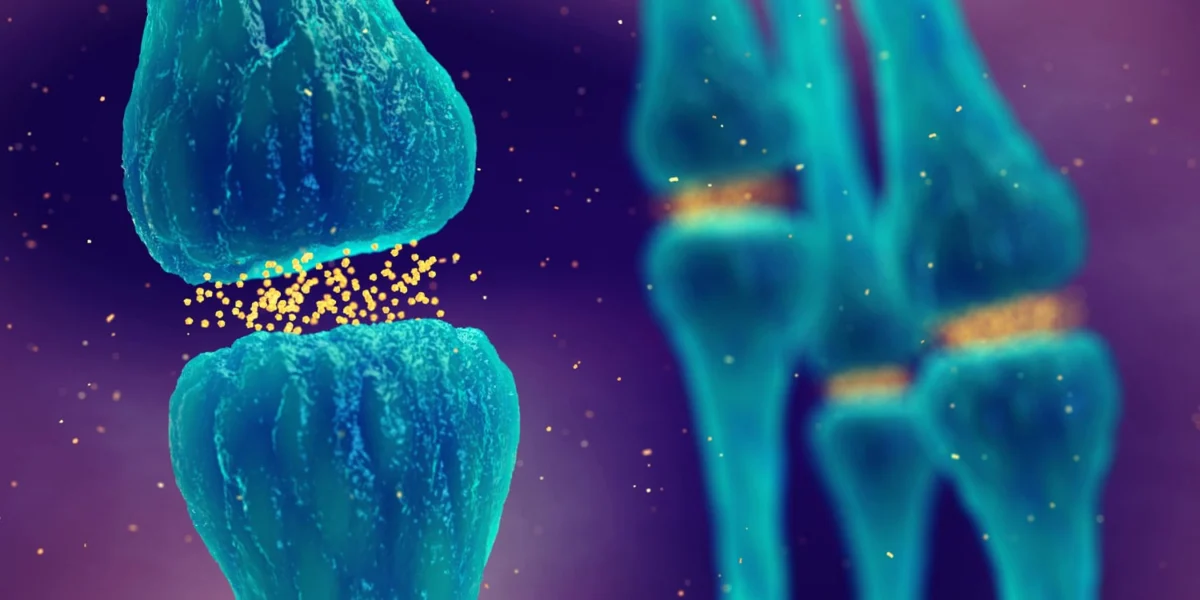
At the molecular level, caffeine’s primary mechanism of action is the antagonism of adenosine receptors, particularly the A1 and A2A subtypes. Adenosine is a neuromodulator that accumulates in the brain throughout the day, binding to receptors to promote relaxation and sleepiness. By blocking these receptors, caffeine prevents adenosine from performing its inhibitory function, leading to a "disinhibition" of the central nervous system.
This blockade triggers a cascade of neurochemical events. With adenosine sidelined, the brain sees an uptick in the release of dopamine, glutamate, and notably, acetylcholine. Because SAI is a direct measure of cholinergic activity, the increase in acetylcholine levels following caffeine consumption explains the enhanced braking effect observed in the study. Furthermore, the researchers noted that caffeine lowered the "resting motor threshold"—the minimum amount of magnetic energy required to produce a muscle twitch. This suggests that while caffeine makes the motor cortex more excitable overall, it simultaneously sharpens the brain’s ability to selectively suppress signals when prompted by sensory input.
Clinical Implications for Diagnostic Accuracy
The study’s findings have immediate practical applications for the field of neurology. SAI is not merely a tool for academic research; it is a clinical instrument used to assess patients suspected of having various forms of dementia or movement disorders. In patients with Alzheimer’s disease, SAI is typically reduced, reflecting the progressive decay of the brain’s cholinergic systems.
If a patient consumes coffee or an energy drink shortly before undergoing a TMS assessment, the resulting caffeine-induced boost in SAI could artificially "normalize" their test results. This could lead to a false negative diagnosis or an underestimation of the severity of their condition.
"Our results suggest that dietary habits, specifically caffeine intake, are a significant confounding variable in clinical neurophysiology," the authors noted. The research suggests that standardized protocols for TMS and SAI testing should include a mandatory period of caffeine abstinence to ensure that the data reflects the patient’s true neurological state rather than a temporary, stimulant-induced peak.
Broader Impact and Future Directions
Beyond the immediate concerns of diagnostic accuracy, the study opens new avenues for understanding the relationship between diet and neurodegeneration. If caffeine can acutely enhance the sensory-motor braking system in healthy adults, there is a compelling case for investigating its effects on populations already suffering from cholinergic deficits.
Future research aims to explore whether caffeine could be used as a "stress test" for the brain. For instance, observing how a brain with early-stage Alzheimer’s responds to a dose of caffeine compared to a healthy brain might reveal subtle differences in neuroplasticity and receptor sensitivity that are not apparent under baseline conditions. This could lead to more refined diagnostic tools that track the physical progression of cognitive disorders with greater precision.
The study also highlights the importance of methodological transparency in neuroscience. The fact that two different TMS protocols yielded different results emphasizes that "brain activity" is not a monolithic entity. Rather, different tools probe different functional pathways, and a substance like caffeine can selectively influence one while leaving another untouched.
Conclusion
The work of Camilla Carrozzo and her team at the Campus Bio-Medico University of Rome serves as a vital reminder of the intricate link between what we consume and how our brains function at a cellular level. By proving that a common habit like drinking coffee can alter the very "readouts" used to diagnose brain disease, the study underscores the need for greater rigor in clinical settings. As the medical community continues to seek earlier and more accurate biomarkers for neurodegenerative diseases, accounting for the chemical influence of everyday stimulants will be essential to ensuring that the signals we measure are truly representative of the living human brain.
The study, "The effects of caffeine on short-latency afferent inhibition measured with paired-pulse conventional and threshold-tracking TMS," stands as a significant contribution to the literature, bridging the gap between pharmacology, nutrition, and clinical neurophysiology. It reinforces the idea that in the delicate world of brain mapping, even the smallest variables can have a measurable impact on the map itself.