Nila Kartika Wati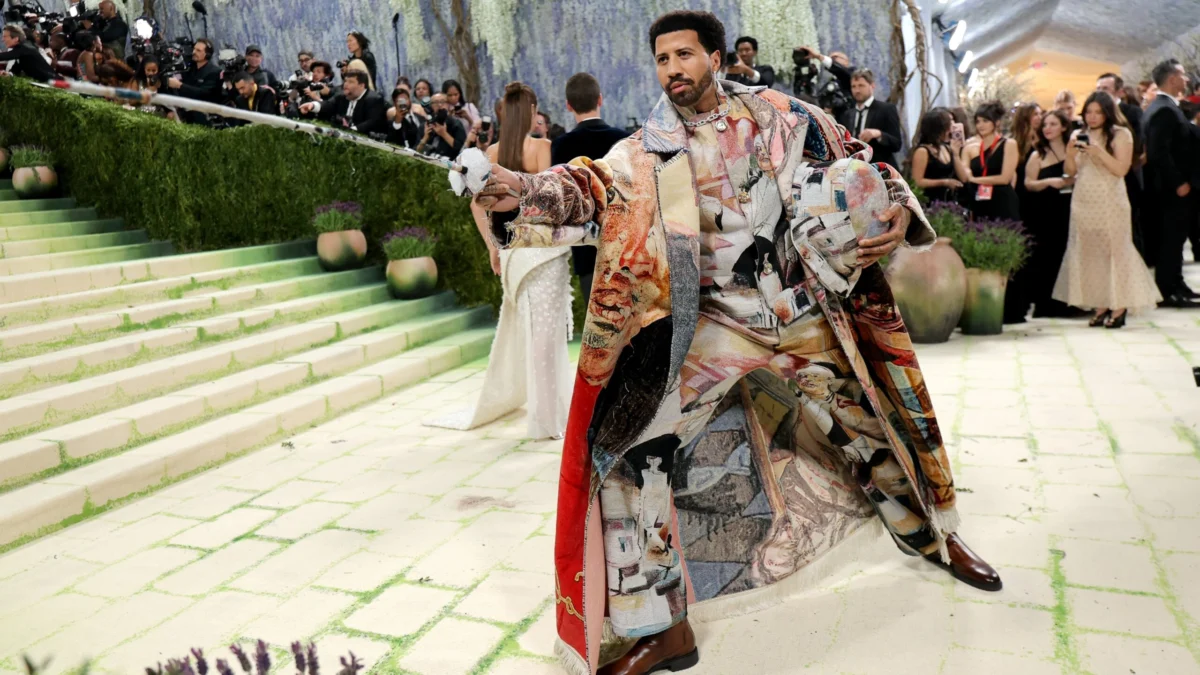
Among the dazzling array of celebrities, artists, and athletes gracing the Met Gala, a particular figure captured the attention of USA Fencing chief executive Phil Andrews: Miles Chamley-Watson, the distinguished British-American fencer and three-time Olympian. Chamley-Watson’s presence, amplified by his distinctive attire, signaled a burgeoning interest in leveraging high-profile fashion moments to elevate the profile and commercial appeal of fencing, a sport with a rich history but a comparatively limited mainstream audience. This strategic pivot mirrors a broader trend observed across various niche sports, which have increasingly found lucrative avenues for growth and engagement through collaborations with the fashion industry.
The Met Gala Moment: A Symbol of Evolving Aspirations
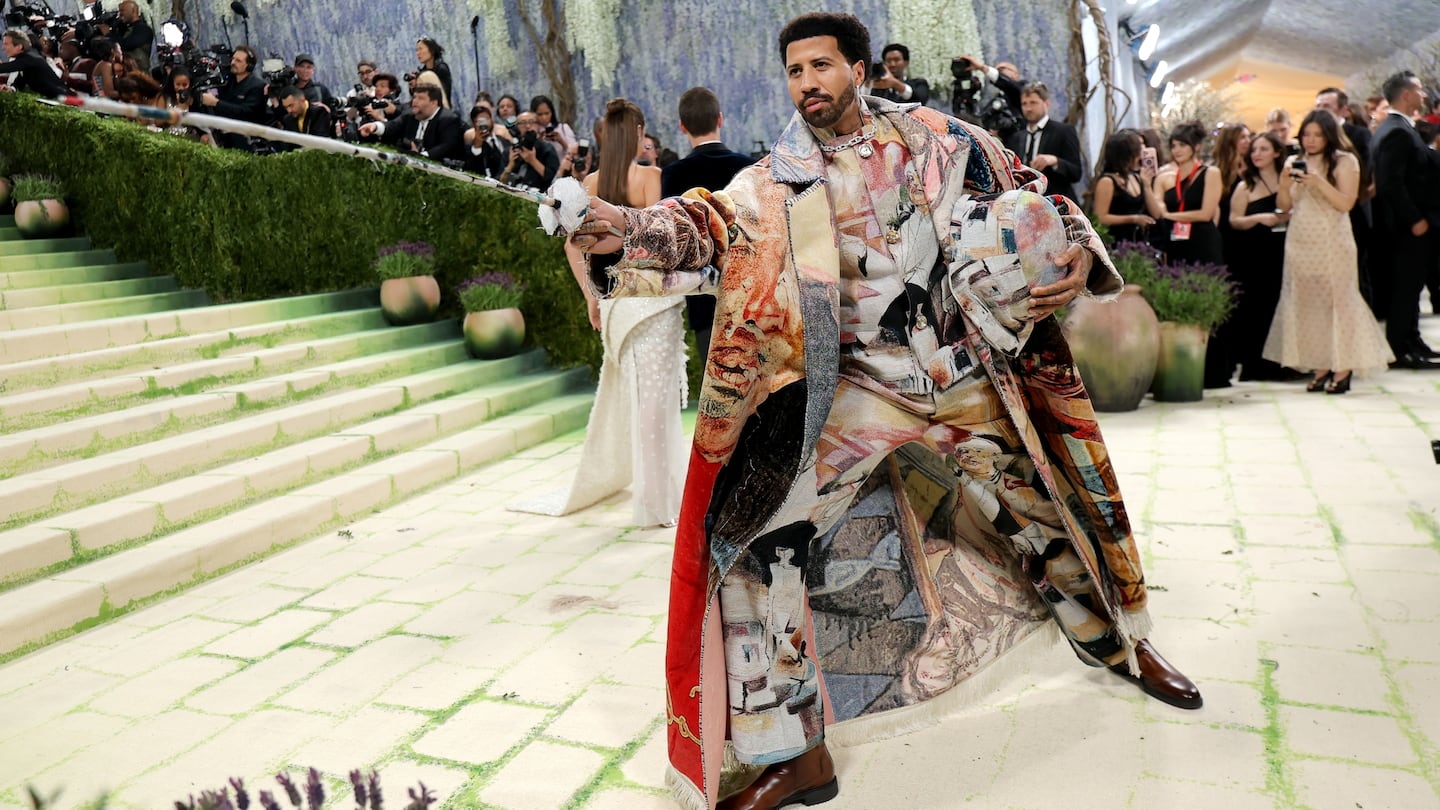
The Met Gala, an annual fundraising gala for the Metropolitan Museum of Art’s Costume Institute, is renowned for its extravagant and often avant-garde fashion. Each year, a select group of attendees, comprising luminaries from fashion, film, music, sports, and other cultural spheres, don custom-designed ensembles that often interpret a specific exhibition theme. In this context, Miles Chamley-Watson’s appearance was not merely a celebrity endorsement; it was a deliberate statement by the fencing community, aiming to tap into the event’s immense cultural cachet and its global media reach. His chosen outfit, designed by Kid Super, featured a jacquard fabric meticulously recreated from the designer’s own paintings, demonstrating a sophisticated fusion of athletic prowess and artistic expression. This bold choice, prominently displayed on one of fashion’s grandest stages, served as a potent visual metaphor for fencing’s aspiration to move beyond its traditional confines and engage with a wider, more fashion-conscious demographic.
A Growing Trend: Fashion’s Embrace of Niche Sports
The strategic alliance between fashion and sports is not a new phenomenon, but its intensity and scope have significantly expanded in recent years. Brands, eager to connect with diverse consumer bases and imbue their products with aspirational qualities, have increasingly turned their attention to niche sports that possess unique aesthetics, dedicated followings, or a compelling narrative. Examples abound: skateboarding, surfing, and climbing have all seen collaborations with high-fashion houses, benefiting from increased visibility and perceived coolness. These partnerships often transcend simple sponsorships, involving co-designed apparel lines, influencer marketing campaigns, and even integration into brand storytelling.
The underlying logic is straightforward. Niche sports, while perhaps not possessing the mass appeal of football or basketball, often cultivate a passionate and discerning audience. This audience, particularly within demographics like Gen Z and Millennials, is highly attuned to authenticity and cultural relevance. Fashion brands recognize that by aligning with these sports, they can tap into these values, enhancing their brand image and reaching consumers who may be less receptive to traditional advertising. For the sports themselves, these fashion collaborations offer a vital pathway to increased funding, broader public awareness, and the development of new revenue streams that can support athlete development, infrastructure, and grassroots programs. The estimated global market for sports apparel and footwear alone is projected to reach hundreds of billions of dollars, and niche sports are increasingly seeking to carve out their share.
Fencing’s Strategic Imperative: From the Piste to the Catwalk
For fencing, the ambition to forge stronger ties with the fashion world represents a calculated move to address persistent challenges. Historically, fencing has been perceived as an elite or esoteric sport, often associated with specific socio-economic groups and lacking the widespread accessibility of many other athletic pursuits. While its Olympic status lends it prestige, its day-to-day engagement and media coverage have remained relatively modest.
The Met Gala appearance by Miles Chamley-Watson, therefore, serves as a high-profile illustration of a broader strategy. Phil Andrews, as the chief executive of USA Fencing, is likely keenly aware of the potential benefits. These include:
- Enhanced Brand Visibility: Associating fencing with the glamour and cultural influence of the fashion industry can significantly boost its public profile.
- Attracting New Audiences: Fashion collaborations can introduce fencing to individuals who might not otherwise encounter the sport, potentially leading to increased participation and viewership.
- Monetization Opportunities: Beyond apparel, these partnerships can open doors to endorsements, licensing deals, and unique merchandise, generating much-needed revenue.
- Shifting Perceptions: By showcasing fencing in stylish, contemporary contexts, the sport can be repositioned as dynamic, modern, and aspirational, shedding any outdated stereotypes.
The timing of this push is also significant. As the sports industry continues to evolve, with a greater emphasis on athlete branding and diversified revenue streams, sports like fencing are actively seeking innovative ways to stay relevant and competitive. The success of similar ventures in skateboarding, where brands like Supreme have achieved cult status, or surfing, with its strong lifestyle appeal, provides a compelling blueprint.
A Timeline of Potential Engagement
While the Met Gala moment was a highly visible, singular event, the groundwork for such a collaboration likely involves a more sustained and strategic approach. A hypothetical timeline for fencing’s engagement with the fashion industry might look something like this:
- Early Stages (Pre-Met Gala): Identification of key athletes with existing fashion sensibilities or potential appeal. Development of relationships with designers and brands that align with fencing’s desired image. This could involve smaller-scale collaborations, such as athletes wearing designer pieces at non-fashion events or limited-edition merchandise.
- The Met Gala Showcase (Present): A high-impact event designed to generate maximum media attention. This involves meticulous planning, from selecting the right designer and theme interpretation to ensuring strong visual representation. The goal is to create a viral moment that transcends the event itself.
- Sustained Collaboration (Post-Met Gala): Following the initial splash, the focus shifts to maintaining momentum. This could involve:
- Capsule Collections: Co-branded apparel lines that blend fencing aesthetics with contemporary fashion trends.
- Digital Content: Social media campaigns, behind-the-scenes footage, and athlete profiles that highlight the connection between sport and style.
- Event Integration: Fashion showcases at fencing events or fencing-themed segments at fashion shows.
- Athlete Endorsements: Formal partnerships with fashion brands for ongoing promotion.
- Long-Term Growth: Establishing fencing as a recognized entity within the fashion landscape, leading to consistent brand partnerships and a more diverse revenue base for the sport.
Data and Analysis: The Commercial Potential
The financial implications of such fashion-sport convergence are substantial. The global sportswear market is a multi-billion dollar industry, and niche sports can leverage this by tapping into specific consumer segments. For instance, the rise of athleisure wear has demonstrated a broad consumer appetite for performance-inspired clothing that can be worn in everyday settings. Fencing, with its unique equipment and graceful movements, offers a distinct visual language that can be translated into compelling fashion narratives.
Consider the broader economic impact:
- Brand Value Enhancement: A successful fashion collaboration can significantly boost the perceived value and desirability of a sports brand.
- Direct Revenue Generation: Sales from co-branded apparel, accessories, and merchandise can provide a direct financial injection into sports federations and athletes.
- Increased Media Value: Greater media attention translates into higher advertising rates and sponsorship opportunities.
- Talent Attraction: A more visible and financially viable sport can attract a wider pool of talent, from athletes to coaches and support staff.
While specific data on fencing’s direct engagement with the fashion industry is nascent, the general trend in sports marketing suggests a significant upside. For example, studies have shown that collaborations between sports figures and fashion brands can lead to substantial increases in social media engagement and product sales for both parties. The "cool factor" associated with fashion can effectively demystify and popularize sports that might otherwise struggle to capture mainstream attention.
Reactions and Implications: A Forward-Looking Perspective
The strategic alignment of fencing with the fashion industry, as exemplified by Miles Chamley-Watson’s Met Gala appearance, is likely to elicit varied reactions. Within the fencing community, there may be a spectrum of views, from enthusiastic embrace of new opportunities to cautious optimism about maintaining the sport’s integrity.
- Positive Reinforcement: Proponents will likely view this as a necessary evolution, a bold step towards securing the sport’s future in a competitive landscape. The potential for increased funding and broader participation is a powerful motivator.
- Skepticism and Caution: Others might express concern about diluting the sport’s heritage or prioritizing superficial aesthetics over athletic excellence. Maintaining a balance between commercial appeal and the core values of fencing will be crucial.
- Industry Impact: For fashion designers and brands, this represents an opportunity to explore new creative territories and connect with a discerning, aspirational audience. It also signals a growing trend of brands seeking authentic cultural connections.
The broader implication is that niche sports are no longer content to remain on the periphery. They are actively seeking to leverage their unique identities and attract new forms of investment and attention. The fashion industry, with its inherent ability to shape trends and influence culture, has emerged as a powerful ally in this pursuit.
As fencing continues to explore these avenues, the success of its fashion initiatives will hinge on authenticity, strategic execution, and the ability to tell compelling stories that resonate with both sports enthusiasts and fashion aficionados. The Met Gala moment, while symbolic, is just the opening move in what could be a significant strategic game for the future of fencing. The sport now faces the challenge of translating this initial high-profile engagement into sustained growth and deeper integration within the broader cultural and commercial landscape.