Reynand Wu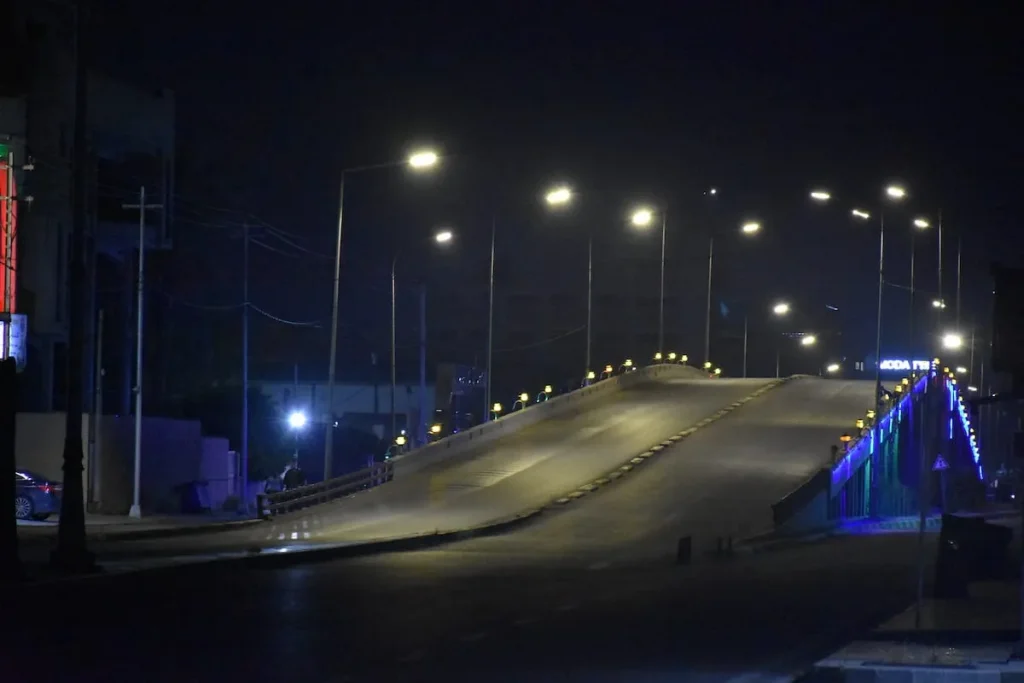
The global COVID-19 pandemic, a crisis that reshaped nearly every facet of human society, including social behaviors, civic engagement, and protest movements, also presented an unprecedented variable in the complex landscape of global counter-terrorism. While many armed groups, including the Islamic State of Iraq and Syria (ISIS), initially threatened to exploit the chaos and resource diversion caused by the pandemic to advance their violent agendas, new research suggests a counter-intuitive outcome: the widespread implementation of lockdown measures significantly curtailed ISIS’s operational capabilities, leading to a demonstrable reduction in attacks across key operational territories. This finding challenges initial assumptions that extremist organizations would thrive amidst global instability and diverted attention, underscoring the profound impact of social context and opportunity on the dynamics of non-state actor violence.
Contextualizing the ISIS Threat Prior to the Pandemic
Before the emergence of COVID-19, ISIS represented one of the most persistent and brutal non-state threats globally. After its meteoric rise in 2014, establishing a self-proclaimed caliphate across vast swathes of Iraq and Syria, the group launched a reign of terror characterized by extreme violence, systematic human rights abuses, and a sophisticated propaganda machine. Despite losing its territorial caliphate in 2019, ISIS transitioned into a resilient insurgent force, operating through clandestine cells and networks, particularly in its traditional strongholds within Iraq and Syria, but also extending its influence through affiliates in various parts of Africa and Asia. Its operational model relied heavily on exploiting ungoverned spaces, generating revenue through extortion, taxation, and illicit trade, and leveraging local grievances to recruit and maintain support. The group’s capacity for adaptation and its ability to inspire attacks globally made it a formidable challenge for international counter-terrorism efforts, which often involved military operations, intelligence gathering, and efforts to disrupt financing and propaganda. The threat posed by ISIS necessitated significant allocation of resources by national governments and international coalitions, making any potential diversion of these resources a matter of grave concern.
The Pandemic’s Arrival and Initial Fears of Exploitation
As the novel coronavirus began its rapid global spread in late 2019 and early 2020, governments worldwide initiated unprecedented public health interventions, most notably widespread lockdowns, travel restrictions, and social distancing mandates. The immediate impact on daily life was profound, shutting down economies, straining healthcare systems, and forcing security forces to adapt to new demands, including enforcing public health measures and assisting with logistical support.
In this environment of global uncertainty and systemic disruption, many security analysts and policymakers expressed grave concerns that extremist groups like ISIS would seize the opportunity. The logic was seemingly straightforward: with security forces potentially stretched thin, national budgets diverted to public health crises, and populations experiencing increased anxiety and economic hardship, conditions might become ripe for increased recruitment, planning, and execution of terrorist attacks. ISIS itself contributed to these fears, actively incorporating the pandemic into its propaganda. In its various media outlets, the group framed COVID-19 as a divine punishment against its enemies, referring to it chillingly as the "smallest soldier of Allah on the face of the earth." This narrative sought to demoralize opponents, sow discord, and potentially incite followers to escalate their attacks while state actors were preoccupied. The prevailing sentiment was that the pandemic would, at best, provide a respite for these groups to regroup and, at worst, embolden them to intensify their campaigns of violence.
The Research Unveiled: A Counter-Intuitive Reality
However, a recent study, led by Dr. Dawn Brancati of Yale University and her colleagues, has presented a nuanced and, in many ways, surprising counter-narrative to these initial apprehensions. Their comprehensive research, focusing on the operational activities of ISIS in Egypt, Iraq, and Syria during the peak of pandemic-induced lockdowns, revealed that the stringent public health measures did not generally lead to an increase in ISIS attacks. Instead, the findings indicated a significant reduction in the frequency and intensity of these attacks.
The researchers employed a rigorous methodology, analyzing data on ISIS attacks against the backdrop of specific lockdown measures implemented in the aforementioned countries. The study carefully controlled for various confounding factors to isolate the impact of lockdowns. The results were particularly striking in densely populated urban areas, where the population typically provides physical cover and logistical support for clandestine operations, and in regions outside ISIS’s traditional strongholds, which became harder to access due to travel restrictions and increased checkpoints. This outcome challenged the conventional wisdom that global crises inherently empower non-state armed actors, instead suggesting a more complex interplay between external circumstances and an organization’s operational model.
Mechanism of Reduction: How Lockdowns Hindered ISIS Operations
The study delved into the specific mechanisms through which lockdowns inadvertently disrupted ISIS’s operational capabilities. The primary factors identified include:
-
Removal of Physical Cover and Civilian Targets: ISIS, like many insurgent and terrorist groups, often relies on the anonymity and chaos of urban environments. Busy streets, markets, and public gatherings provide both physical cover for operatives to move undetected and a ready supply of high-value civilian targets designed to maximize casualties and spread terror. Lockdowns, by taking people off the streets and emptying public spaces, effectively removed this crucial operational camouflage. The absence of bustling markets, social events, and regular commuter traffic meant fewer opportunities for planting improvised explosive devices, conducting assassinations, or launching mass casualty attacks against civilians. This forced ISIS to reconsider its targets and methods, as the very "social context and opportunity" it thrives on were significantly diminished.
-
Disruption of Revenue Streams: While ISIS is known for its substantial financial reserves, its day-to-day operations and continued funding rely on a steady flow of revenue generated through various illicit activities. These include extortion, protection rackets, smuggling, and "taxation" of local businesses and populations. The widespread shutdown of legitimate businesses, coupled with severe restrictions on travel and commerce, dealt a blow to these revenue streams. With fewer businesses operating and reduced economic activity, opportunities for extortion diminished, and the overall pool of accessible funds shrank. Although the study noted that the lockdowns were not in place long enough to entirely deplete ISIS’s considerable reserves, the immediate disruption to cash flow undoubtedly posed operational challenges and may have limited their capacity for immediate large-scale attacks requiring significant logistical or financial outlay.
-
Increased Scrutiny and Reduced Mobility: Travel restrictions, curfews, and increased security presence to enforce public health measures inadvertently created a more challenging environment for ISIS operatives. Moving personnel, weapons, and intelligence across different areas became significantly riskier and more difficult. Checkpoints were more frequent and thorough, surveillance was potentially heightened due to fewer civilians on the streets, and any suspicious activity stood out more starkly. This reduced mobility hindered their ability to plan and execute complex, coordinated attacks, particularly those requiring cross-regional movement or the infiltration of urban centers from rural hideouts.
Differentiating ISIS from Other Armed Groups: A Broader Implication
A crucial insight from the research concerns the comparative impact of lockdowns on ISIS versus other armed non-state actors. The study suggests that while lockdowns significantly impacted ISIS, their effect on other, less resourced, or differently structured groups might have been even more profound. The reasons for this differentiation are multifaceted:
- Financial Reserves: ISIS is notorious for its large financial war chest, accumulated during its caliphate era. This allowed the group to weather short-term disruptions to its revenue streams more effectively than groups with smaller, more precarious financial bases. Many other armed groups operate on a hand-to-mouth basis, making them far more vulnerable to economic disruptions.
- Operational Geography: While ISIS does operate in urban areas, a significant portion of its post-caliphate insurgency is conducted in rural or semi-rural environments, where state presence is weaker and lockdowns might have been less rigorously enforced or less impactful on daily life. In contrast, many other armed groups are predominantly urban-centric, relying heavily on dense populations for concealment, recruitment, and targeting.
- Targeting Strategy: Although ISIS does target civilians, its strategic focus, particularly in its insurgent phase, often involves attacks against security forces, infrastructure, and symbolic targets. Many other armed groups, however, rely more heavily on widespread civilian targeting to instill fear, gain leverage, or destabilize governments. The removal of high-value civilian targets during lockdowns would therefore have a more direct and devastating impact on the operational models of these groups.
Consequently, the study implies that the general effect of pandemic lockdowns on the broader spectrum of armed groups was likely even greater than on ISIS, potentially leading to even more pronounced reductions in violence from these less adaptable or less resilient organizations. This provides valuable insights for understanding the vulnerabilities of different non-state actors.
Global Counter-Terrorism Landscape During COVID-19: Broader Trends
The findings of Brancati and colleagues resonate with some broader trends observed in the global counter-terrorism landscape during the pandemic, while also providing a crucial specific lens. Globally, some reports indicated an initial downturn in certain types of terrorist attacks in the early phases of the pandemic, particularly those requiring significant public gathering or cross-border movement. However, other regions, notably parts of Africa, saw an increase in activity from certain extremist groups, highlighting the regional specificities and the varying levels of state capacity to enforce lockdowns and maintain security.
International counter-terrorism bodies, such as the United Nations, consistently highlighted the dual challenge posed by the pandemic: not only the direct public health crisis but also its potential to exacerbate existing conflicts, create new grievances, and divert resources from vital security operations. While some countries struggled to maintain their counter-terrorism posture, the unexpected "lockdown effect" provided by public health measures inadvertently offered a temporary tactical advantage in certain contexts. This period also saw an increase in online radicalization as populations spent more time isolated, indicating a shift in recruitment and propaganda tactics by extremist groups, even if their physical operations were curtailed.
Implications for Future Policy and Research
The research by Dr. Brancati and her team offers several critical implications for policymakers, security experts, and future research:
- Rethinking Vulnerabilities: The study underscores that even highly adaptive and resilient groups like ISIS are not immune to external shocks, particularly those that fundamentally alter the social and physical environment in which they operate. Understanding these vulnerabilities can inform future counter-terrorism strategies.
- Beyond Conventional Wisdom: It serves as a potent reminder that assumptions about extremist behavior during crises need empirical validation. The intuitive notion that chaos always benefits terror groups may be an oversimplification.
- The Role of Social Context: The research powerfully demonstrates the critical importance of "social context and opportunity" in facilitating or hindering extremist violence. Measures that disrupt these foundational elements, even if not primarily designed for counter-terrorism, can have significant collateral effects.
- Integrated Crisis Management: The pandemic highlighted the interconnectedness of public health, economic stability, and national security. Future crisis management strategies could potentially explore how public health interventions might be designed or leveraged to have secondary security benefits, without, of course, compromising their primary health objectives.
- Targeted Interventions: The finding that effects were larger in densely populated areas and outside ISIS’s base suggests that specific types of interventions—whether security-focused or public health-related—might have a disproportionate impact depending on the operational environment of the target group.
Expert Commentary and Future Outlook
Security analysts, reflecting on these findings, suggest that while the "lockdown effect" was a temporary phenomenon and not a sustainable counter-terrorism strategy, it offers valuable lessons. "The pandemic provided an inadvertent, real-world experiment," remarked one security expert, "showing that physical presence, mobility, and access to civilian cover are not merely tactical preferences but fundamental requirements for many terror operations. Disrupting these, even indirectly, can have profound effects."
The research also prompts further investigation into the long-term consequences of these disruptions. Did the temporary reduction in attacks force ISIS to innovate new tactics, shift its operational focus, or increase its reliance on online activities? What are the implications for post-pandemic security landscapes, where groups may have adapted to new operational realities?
Conclusion: The Unseen Hand of the Pandemic
Ultimately, the study on ISIS’s operational response to COVID-19 lockdowns provides a compelling narrative that enriches our understanding of extremist violence. Despite the initial bravado and propaganda from groups like ISIS, which sought to portray the pandemic as an opportunity or even a divine endorsement, the reality on the ground was far more complex. The unseen hand of the pandemic, through its imposition of severe social and economic restrictions, inadvertently constrained even a formidable organization like ISIS. The research unequivocally demonstrates that social context and opportunity are not just abstract concepts but tangible factors that profoundly shape the ability of extremist groups to operate, recruit, and inflict violence. Even a terrorist group as resilient and ruthless as ISIS, it turns out, was ultimately "locked down" by the pandemic, much like the rest of the world. This finding underscores the unpredictable and multifaceted nature of global crises and their often-unforeseen impacts on international security.