Nila Kartika Wati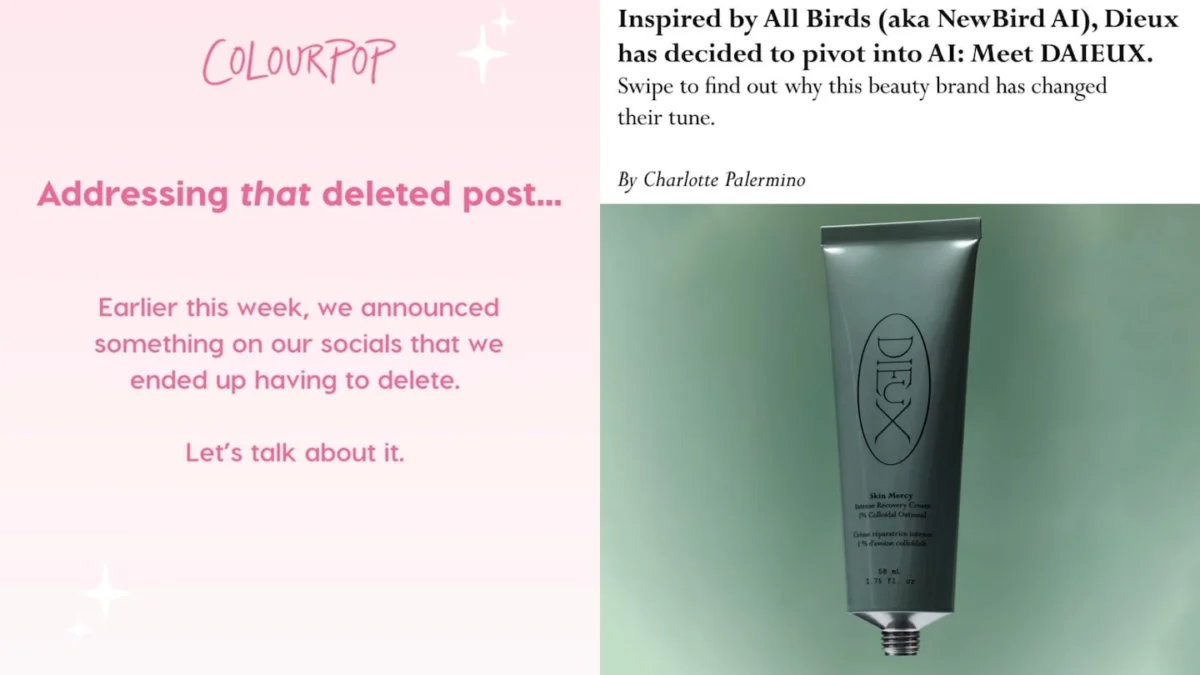
The contemporary media landscape, characterized by an insatiable demand for instant engagement, has prompted a strategic shift among brands. In an economy that increasingly rewards shock value over sustained impact, a growing number of fashion labels are deliberately generating controversy, employing tactics such as spoof apologies and parody rebrands to seize audience attention. This provocative approach, while potentially effective in generating viral moments, carries significant risks for an industry perpetually navigating the delicate balance between creative expression and public scrutiny, an industry that has historically been no stranger to genuine controversy.
The Rise of "Rage Bait" in Fashion Marketing
The phenomenon can be broadly categorized as "rage bait" marketing, where brands intentionally provoke a strong emotional response – often anger, outrage, or even amusement – to drive conversations and increase visibility. This strategy leverages the inherent virality of social media, where polarizing content is more likely to be shared, commented upon, and debated. The goal is to cut through the overwhelming noise of digital content and embed the brand in the public consciousness, even if the association is initially negative.
This approach is not entirely new, with brands historically experimenting with bold and unconventional marketing campaigns. However, the current iteration is amplified by the speed and reach of social media platforms. Campaigns that might have once been contained to niche publications can now explode into global discourse within hours. The underlying economic principle is that in an "attention economy," capturing eyeballs is the primary currency. Brands are thus willing to gamble with their reputation to achieve this objective, believing that any publicity, even negative, is better than obscurity.
Case Studies in Calculated Controversy
Recent instances highlight this trend. The use of spoof apologies, for example, has become a recurring tactic. Brands might issue a mock apology for a product or campaign that was never actually offensive, or for a minor perceived transgression, in a bid to generate humor and relatability. This can involve a deliberately over-the-top, insincere tone, or a self-aware acknowledgment of the absurdity of the situation. Similarly, parody rebrands see companies playfully adopting the aesthetics or naming conventions of other, often more established, brands to generate a buzz. This can be seen as a form of digital street art, where brands playfully disrupt the established order.
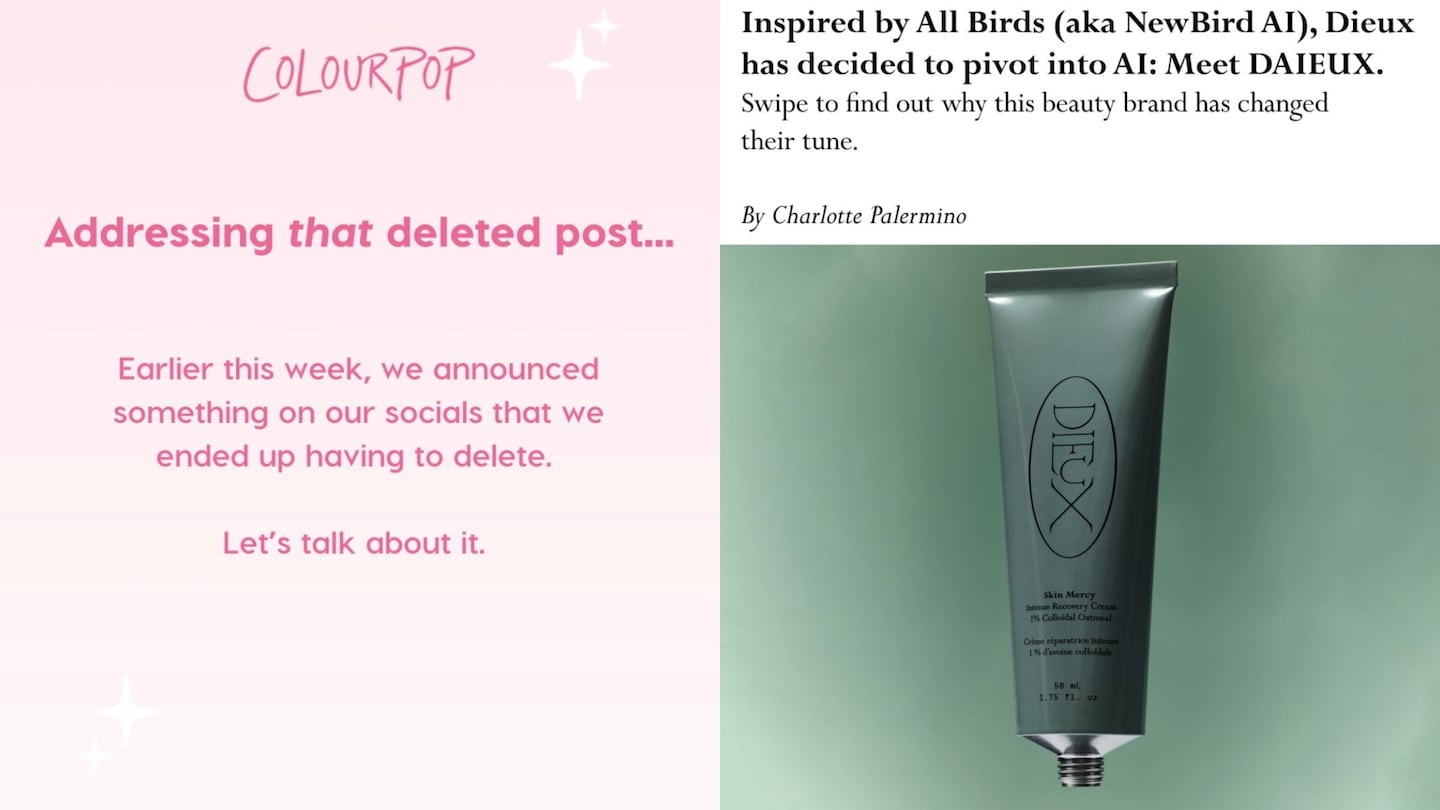
One illustrative example, as alluded to by the accompanying image, involves brands like Colourpop and Dieux. While specific details of their campaigns require deeper investigation, the visual suggests a deliberate use of visual language and messaging designed to evoke a strong reaction. These might include exaggerated product descriptions, outlandish brand collaborations, or the appropriation of cultural signifiers in a tongue-in-cheek manner. The success of such campaigns is often measured by the volume of social media shares, comments, and mentions, rather than traditional metrics like sales conversions, at least in the immediate aftermath.
The Underlying Psychology and Economic Drivers
The effectiveness of this strategy is rooted in several psychological principles. Firstly, controversy often triggers a sense of moral outrage or a desire to correct perceived injustices, which can lead to active engagement. Secondly, humor, even if dark or satirical, can foster a sense of connection and shared experience. Thirdly, the fear of missing out (FOMO) can drive individuals to engage with trending topics, even if they are initially skeptical or critical.
Economically, this approach offers a cost-effective alternative to traditional advertising. Instead of investing heavily in expensive media buys, brands can generate organic reach through user-generated content and viral sharing. The return on investment can be exponential if a campaign successfully captures the zeitgeist. Data from social media analytics firms consistently shows that content that elicits strong emotional responses, whether positive or negative, tends to have higher engagement rates. For instance, studies have indicated that posts that spark debate can see engagement rates increase by as much as 50-100% compared to neutral content.
The Perilous Tightrope Walk: Risks and Repercussions
However, this strategy is fraught with peril. The fashion industry, with its deep roots in artistic expression and cultural commentary, is particularly sensitive to accusations of insensitivity, cultural appropriation, or outright offense. The line between edgy and offensive is often thin, and missteps can lead to severe reputational damage. Brands that misjudge the public mood or fail to execute their controversial campaigns with sufficient nuance risk alienating their core customer base and facing boycotts.
The history of fashion is replete with examples of campaigns that have backfired spectacularly. From the use of offensive imagery to culturally insensitive designs, the industry has faced significant backlash. A poorly executed "rage bait" campaign can not only damage a brand’s image but also have long-term financial consequences. Consumers are increasingly vocal about their values, and brands perceived as being tone-deaf or exploitative can suffer significant declines in sales and market share. For example, a 2021 study by Edelman found that 64% of consumers globally said they would buy or boycott a brand solely based on its stance on social and political issues.
Navigating the Minefield: Towards Responsible Engagement
The challenge for brands lies in distinguishing between calculated risk-taking and reckless provocation. A successful controversial campaign often involves a degree of self-awareness, clever execution, and a clear understanding of the target audience and the broader cultural context. Brands that succeed in this space often do so by:
- Authenticity (even in satire): The humor or provocation must feel genuine to the brand’s identity, rather than a desperate attempt to chase trends.
- Clear Intent: While the message may be provocative, the underlying intent should ideally be to spark dialogue or offer a unique perspective, rather than simply to offend.
- Preparedness for Backlash: Brands must be ready to respond to criticism with transparency and a willingness to engage in constructive dialogue, rather than resorting to defensive or dismissive tactics.
- Understanding Cultural Nuances: A deep understanding of cultural sensitivities is paramount to avoid inadvertently causing offense.
The current marketing climate demands that brands be bold and innovative to capture attention. However, the pursuit of virality through controversy is a high-stakes gamble. As the industry continues to experiment with these tactics, the long-term implications for brand reputation and consumer trust remain a critical area of observation. The ultimate success of such strategies will depend on a brand’s ability to master the delicate art of provocation without crossing the line into genuine offense, ensuring that the engagement economy does not lead to an erosion of ethical standards and consumer loyalty. The ongoing evolution of consumer expectations and the digital landscape will continue to shape how brands navigate this complex terrain, pushing the boundaries of acceptable discourse while striving to maintain relevance and resonance in an increasingly saturated market.