
 Ronny Sianturi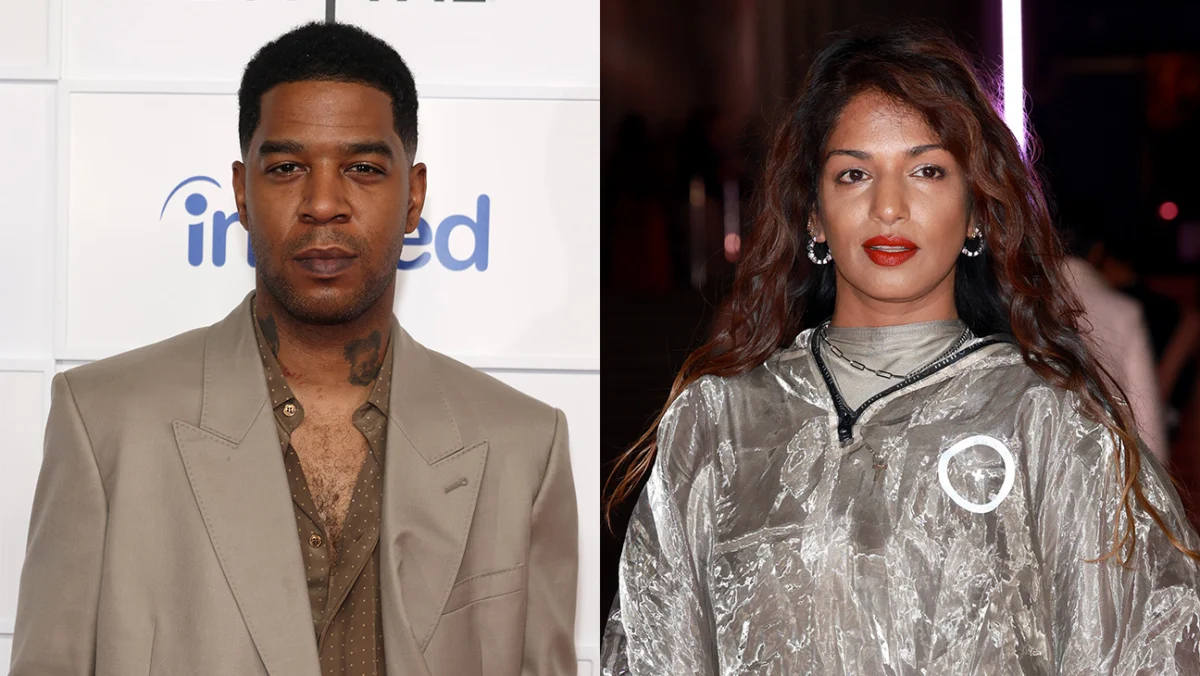
Kid Cudi has officially removed M.I.A. as the opening act for his ongoing tour, a decision announced by the hip-hop artist on Monday. This development follows a weekend of viral controversy surrounding M.I.A.’s onstage comments regarding conservatism and illegal immigration during her performance. The abrupt departure of the Grammy-winning artist from Cudi’s tour underscores the delicate balance artists navigate in maintaining their public image and catering to a diverse fanbase, particularly in an era of heightened social and political sensitivity.
The Spark of Controversy: M.I.A.’s Dallas Performance
The incident that triggered Cudi’s action occurred during M.I.A.’s set at the Dos Equis Pavilion in Dallas. Fan accounts on platforms like Reddit detailed her remarks, which reportedly included the statement, "I never thought I would be cancelled for being a brown Republican voter." Further escalating the situation, a fan-captured video emerged showing M.I.A. addressing her song "Illegally," stating, "I can’t do ‘illegal,’ referring to her song, then adding, "though some of you could be in the audience." This latter comment was widely interpreted as a jab at undocumented immigrants present in the venue.
These statements, particularly the one referencing the audience, were met with immediate backlash online. Critics argued that the remarks were insensitive and exclusionary, especially coming from an artist who has historically championed marginalized communities and utilized themes of resistance and social commentary in her work. The juxtaposition of her progressive artistic persona with seemingly conservative political statements created a significant disconnect for many fans.
Kid Cudi’s Swift Response and Rationale
Kid Cudi, known for his own introspective and often emotionally resonant music, wasted no time in addressing the unfolding situation. In an Instagram story posted on Monday, he stated unequivocally, "M.I.A. is no longer on this tour." He elaborated on his decision, revealing that he had proactively communicated his expectations to his management before the tour commenced.
"I told my management to send a notice to her team before we started tour that I didn’t want anything offensive at my shows, cuz I already knew what time it was," Cudi wrote, indicating prior awareness of potential sensitivities. He added that he had been assured that his concerns were understood. However, the events of the past few shows proved otherwise. "After the last couple shows, I’ve been flooded with messages from fans that were upset by her rants," Cudi explained. "This, to me, is very disappointing and I won’t have someone on my tour making offensive remarks that upsets my fanbase. Thank you for understanding."
Cudi’s statement highlights his commitment to curating a positive and inclusive environment for his concertgoers. His proactive stance, coupled with his swift action upon learning of fan dissatisfaction, demonstrates a clear prioritization of audience experience and brand integrity. The financial and logistical implications of removing a billed opening act are not insignificant, suggesting the depth of Cudi’s conviction in this matter.
A History of Controversy Surrounding M.I.A.
M.I.A. (Mathangi Arulpragasam) has long been a figure associated with provocative statements and actions, often blurring the lines between artistic expression, political commentary, and personal conviction. Her career has been marked by a series of controversies that have generated significant public debate and, at times, alienated segments of her audience.
During the COVID-19 pandemic in 2020, M.I.A. garnered considerable attention for her anti-vaccine rhetoric. At the time, she stated on social media that she would "choose" death over receiving a vaccine, a sentiment that ran counter to public health recommendations and drew criticism from medical professionals and public health advocates. This stance positioned her against mainstream scientific consensus during a global health crisis.
More recently, M.I.A. made headlines for her endorsement of former President Donald Trump in the 2024 election cycle. In a post on X (formerly Twitter), she wrote, "Trump is going to ride America through the most challenging 4 years," a statement that surprised many given her previous artistic themes often critical of Western foreign policy and systemic inequalities. This endorsement, in particular, signaled a significant political alignment that diverged sharply from the expectations of many who had followed her career.
M.I.A.’s Defense and Counter-Narrative
In response to the growing backlash and Kid Cudi’s decision, M.I.A. took to X on Monday to defend her statements and challenge the interpretation of her words. She accused critics of attempting to "gaslight my words" and insisted that her remarks were not intended to disparage undocumented immigrants.
"I WROTE ILLYGAL ON THE MAYA LP A SONG FROM 2010," she stated in an all-caps post, emphasizing the historical context of her song. She explained that her intro to the song began with the statement, "I’M ILLYGAL, AND I SAID MY TEAM HASN’T GOTTEN VISAS YET." She then played the song, which she claims contains lyrics like "FU&% THE LAW," adding, "WHICH I STILL BELIEVE, IF THE LAW IS UNJUST F@%& IT." This explanation attempts to reframe her comment about "illegal" as a reference to her song’s lyrical content and her own past struggles with visa processing, rather than a direct commentary on the audience.
Regarding her endorsement of Donald Trump, when questioned by another X user, M.I.A. defended her position by highlighting the political leanings of the Latino community. "I CAN’T VOTE IN THE US, AND 48% OF LATIN COMMUNITY VOTED TRUMP. SO ARE YOU GOING TO HATE THEM ALL?" she wrote. This response seeks to normalize her political views by aligning them with a perceived demographic trend and questioning the selectivity of criticism directed at her.
Broader Implications and Analysis
Kid Cudi’s decision to remove M.I.A. from his tour has several broader implications for the music industry and public discourse.
Brand Management and Fanbase Expectations: Cudi’s actions underscore the increasing importance of artists actively managing their brand and ensuring alignment with their fanbase’s values. In an era where social media amplifies every statement, artists are under greater scrutiny. Cudi’s proactive communication and swift reaction demonstrate a commitment to protecting his brand and maintaining a positive relationship with his supporters. The sheer volume of fan messages he received indicates a vocal and engaged audience that expects artists to be mindful of their impact.
The Shifting Landscape of Political Expression in Music: The incident highlights the complex relationship between artistic expression and political commentary in contemporary music. M.I.A., a long-time artist known for her politically charged work, finds herself at odds with an audience that may have previously celebrated her critiques of power structures but is now resistant to her perceived shift in political alignment. The debate over whether an artist’s personal political views should influence their artistic collaborations or public reception is ongoing, and this event adds another layer to that discussion.
The Role of Opening Acts: Opening acts often serve as an extension of the headliner’s artistic vision and the overall atmosphere of a concert. When an opener’s remarks generate significant controversy, it can directly impact the headliner’s ability to deliver a cohesive and enjoyable experience for their audience. Cudi’s decision suggests that the potential for disruption and negative fan reaction outweighed any perceived benefit of having M.I.A. on the bill.
Data on Political Diversity in Music: The mention of the 48% of the Latino community voting for Trump, while a statistical point, also brings to the fore the diverse political viewpoints within various demographic groups. This data point, though used defensively by M.I.A., can be interpreted as a reminder that simplistic assumptions about monolithic voting blocs can be misleading. However, the context of M.I.A.’s specific comments about "illegal" immigration and her conservative leanings remain the primary drivers of the controversy, irrespective of broader voting patterns.
The Impact of Viral Content: The speed at which M.I.A.’s comments went viral, fueled by fan-posted videos and social media discussions, demonstrates the power of decentralized information sharing. This rapid dissemination of content often forces public figures to respond quickly, leaving little room for nuanced discussion or slow-burn damage control. The reliance on fan-captured footage and social media reactions as primary sources of information also raises questions about context and accuracy, though in this instance, multiple accounts and video snippets corroborated the general nature of her remarks.
Future Implications for Tour Bookings: This incident could influence how tour promoters and artists approach booking opening acts. There may be an increased emphasis on vetting artists not only for their musical fit but also for their public statements and potential for controversy. Artists might also be more inclined to include clauses in their contracts regarding conduct and public commentary to mitigate risks.
In conclusion, Kid Cudi’s removal of M.I.A. from his tour is a significant event that reflects the current climate of heightened scrutiny and rapid public judgment. It serves as a case study in artist-fan relations, brand management, and the complex interplay of art, politics, and public perception in the digital age. The situation highlights the challenges artists face in navigating diverse audiences and managing the fallout from controversial statements, even as M.I.A. continues to defend her right to express her views. The tour will now proceed without M.I.A., with Cudi focused on delivering an experience that resonates positively with his dedicated fanbase.








