Nila Kartika Wati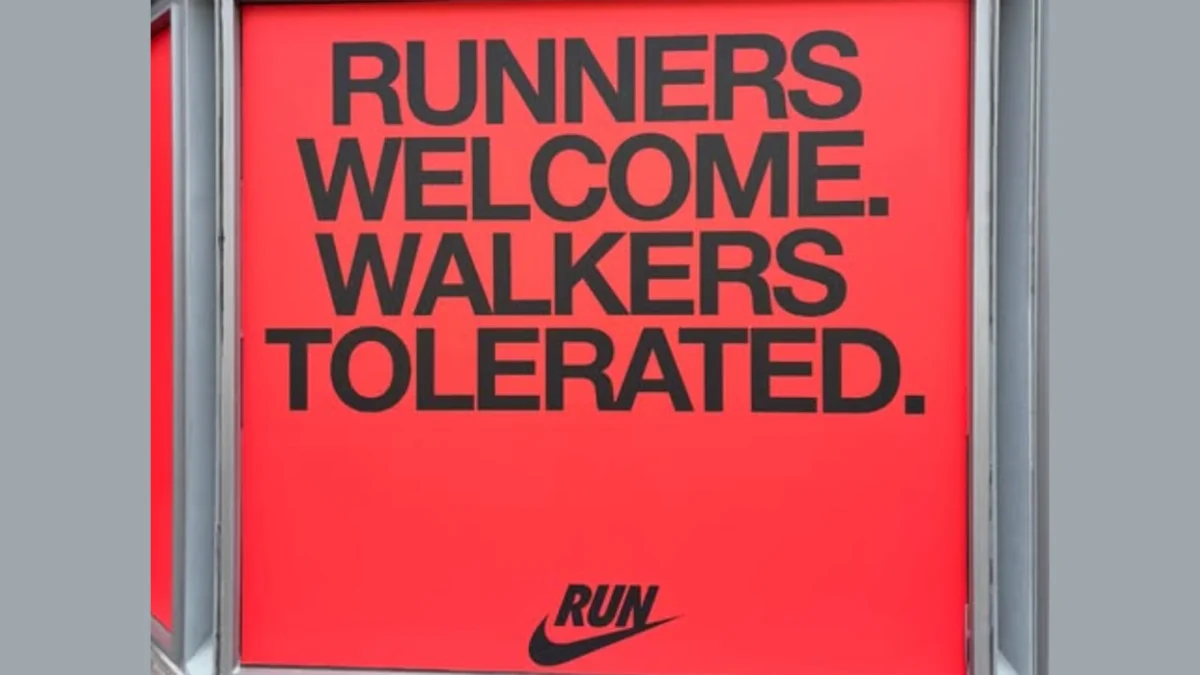
The recent controversy surrounding Nike’s slogan, "Runners Welcome. Walkers Tolerated," displayed on a sign along the Boston Marathon course in April, has ignited a broader conversation within the fashion and sports industries about the delicate balance between projecting exclusivity and fostering genuine inclusivity. This incident, coupled with ongoing discussions surrounding high-profile events like the Met Gala, highlights a growing challenge for brands: how to cultivate a sense of desirability and aspiration without alienating potential consumers or alienating the very communities they aim to serve. The core of this dilemma lies in a strategic approach that transcends mere exclusion, focusing instead on a nuanced art of "calling the right people in" while thoughtfully managing who is, and is not, part of a brand’s immediate sphere of engagement.
The Boston Marathon Incident: A Misstep in Messaging
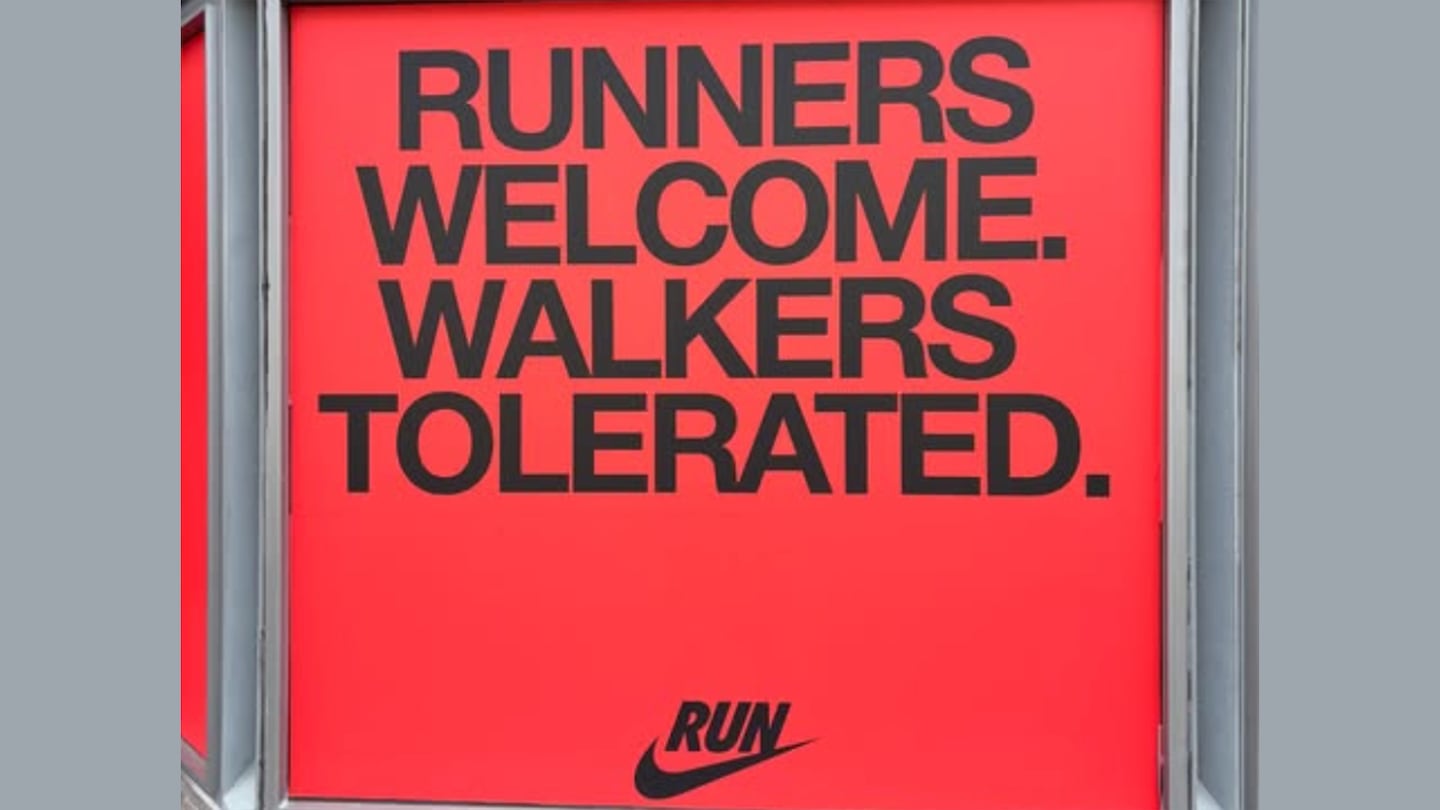
Nike, a titan in athletic apparel and a long-standing partner of the Boston Marathon, a race steeped in history and prestige, aimed to motivate participants with a series of branded signs along the arduous 26.2-mile course. However, one particular slogan, placed strategically, quickly became the focal point of backlash. The phrase "Runners Welcome. Walkers Tolerated," uttered with a characteristic dose of Nike’s often edgy and bold marketing persona, was perceived by many as dismissive and arrogant, particularly towards those who might be participating in the marathon for personal challenges, charitable causes, or simply to experience the iconic event, regardless of their pace.
The Boston Marathon, established in 1897, is one of the world’s most prestigious and challenging marathons. It attracts elite athletes alongside thousands of amateur runners who train for months, if not years, to qualify and compete. The event itself is a testament to human endurance and the pursuit of personal goals. Critics argued that Nike’s slogan undermined the spirit of the marathon, which is meant to be a celebration of effort and achievement for all participants, not just the fastest.
Timeline of the Controversy
The signs were reportedly erected in the days leading up to the April 15, 2024, Boston Marathon. As runners and spectators encountered the "Runners Welcome. Walkers Tolerated" message, particularly on social media platforms, a wave of criticism began to build. Images of the sign were widely shared, accompanied by expressions of disappointment and anger.
By the morning of the marathon, the backlash had reached a significant level. Many noted that the slogan seemed to contradict the inclusive messaging that many brands, including Nike, often promote in their broader marketing campaigns. Within hours of the widespread criticism, and prior to the official start of the race, Nike removed the offending sign. A spokesperson for Nike later issued a statement acknowledging the misjudgment and expressing regret.
Data and Context: The Evolving Landscape of Brand Engagement
This incident is not an isolated event but rather symptomatic of a broader shift in consumer expectations and brand-consumer dynamics. In an era of social media amplification and heightened awareness of social justice issues, brands are under increased scrutiny for their messaging and actions.
- Social Media Reach: A single controversial post or image can reach millions within hours. The Nike sign’s rapid dissemination across platforms like X (formerly Twitter) and Instagram demonstrated the power of digital networks in shaping public perception. Hashtags such as #NikeBoston and #BostonMarathon became trending topics, filled with both condemnation and defense of the brand’s marketing approach.
- Consumer Values: Research consistently shows that consumers, particularly younger demographics, are increasingly aligning their purchasing decisions with brands that demonstrate ethical practices and social responsibility. A 2023 report by Edelman found that 60% of consumers worldwide say they buy or boycott brands based on their political or social stances.
- The Rise of "Authenticity": Consumers are increasingly seeking authenticity from brands, valuing genuine connection over perceived marketing ploys. A slogan that appears to be trying too hard to be edgy or exclusive can backfire if it doesn’t resonate with the perceived values of the brand or the event it is associated with.
Reactions from Related Parties
While Nike was the primary entity involved, the controversy resonated with various stakeholders:
- Runners: Many amateur runners expressed feeling insulted and undervalued. Forums and social media groups dedicated to running were abuzz with discussions. One prominent running blogger, who participated in the Boston Marathon, stated, "It felt like a slap in the face. We all have different journeys, and the marathon is about celebrating the effort, not just the elite outcome."
- The Boston Athletic Association (B.A.A.): As the organizer of the Boston Marathon, the B.A.A. would have been concerned about any negative publicity that could tarnish the event’s reputation. While they did not issue a formal statement directly addressing Nike’s sign, their long-standing commitment to inclusivity and celebrating all participants would have been implicitly challenged by the slogan.
- Competitors: Rival sports brands likely observed the situation with keen interest, noting the potential pitfalls of overly aggressive or exclusionary marketing.
Nike’s Response and Apology
Following the widespread condemnation, Nike issued a statement through its public relations channels: "We apologize for the insensitive message on a sign at the Boston Marathon. We have removed it. We are always looking for ways to motivate and inspire runners, but we understand this message missed the mark and did not reflect the spirit of the event or the community."
This swift removal and apology were crucial in mitigating further damage. However, the incident raised questions about the internal vetting process for marketing materials, especially for an event as significant as the Boston Marathon.
Analysis: The Tightrope Walk Between Exclusivity and Inclusivity
The Nike incident underscores a critical strategic challenge for contemporary brands, particularly in the fashion and lifestyle sectors. The desire to project an image of exclusivity – suggesting a premium, aspirational, or elite status – is a long-standing marketing tactic. This can create a sense of desirability, making products and experiences more appealing to consumers who aspire to be part of that exclusive group.
However, in today’s hyper-connected and socially conscious world, this approach must be carefully calibrated. The "shutting people out" aspect of exclusivity, if not handled with nuance, can easily morph into alienating or offensive messaging. The key, as many brands are discovering, lies in the art of "calling the right people in."
This involves:
- Defining the "Right People": Brands need to clearly articulate who their core audience is and what values they embody. This isn’t just about demographics but about psychographics, shared interests, and aspirational goals. For Nike, the "runners" are clearly a core demographic, but the sign failed to acknowledge the broader spectrum of individuals who engage with running and the marathon.
- Creating a Sense of Belonging: Instead of simply defining who is out, successful brands focus on building communities and fostering a sense of belonging for their target audience. This can be achieved through inclusive events, loyalty programs, user-generated content initiatives, and messaging that celebrates shared passion and effort.
- Nuanced Communication: Exclusivity can be conveyed through subtle signals such as premium product design, limited editions, exclusive access to events or content, and sophisticated brand storytelling. It does not need to be overtly exclusionary in its language. The Met Gala, for instance, operates on a highly exclusive guest list and theme, but its broader cultural impact and aspirational appeal are generated through meticulous curation and a narrative that invites widespread fascination, even if direct participation is limited to a select few.
- Understanding the Context: The messaging must be appropriate for the specific event or platform. A slogan that might be acceptable in a Nike retail store or a specific advertising campaign could be entirely inappropriate for a community-focused event like a marathon.
Broader Implications for the Fashion and Sports Industries
The Nike Boston Marathon sign incident serves as a cautionary tale for brands across the fashion and sports spectrum. It highlights the need for:
- Enhanced Brand Governance: Robust internal review processes for all marketing and communication materials are essential to ensure they align with brand values and avoid potential misinterpretations.
- Deep Consumer Empathy: Brands must strive to understand the diverse motivations and perspectives of their consumers. This requires more than just market research; it demands a genuine effort to empathize with different consumer journeys.
- Strategic Inclusivity: The future of successful brand building lies in embracing a strategic form of inclusivity that welcomes diverse participants while maintaining a clear brand identity and aspirational appeal. This means fostering environments where everyone feels seen, valued, and encouraged, regardless of their level of expertise or pace.
- Adapting to Evolving Social Norms: The definition of "acceptable" brand communication is constantly evolving. Brands must remain agile and responsive to shifts in public opinion and social expectations.
In conclusion, the Nike incident at the Boston Marathon was a stark reminder that in an age of constant digital scrutiny, brand messaging must be as meticulously crafted as the products they sell. The pursuit of exclusivity, a powerful driver of brand desire, must be balanced with a profound understanding of inclusivity, ensuring that brands resonate with a broad audience by inviting the right people in, not by alienating the many. The ongoing discourse surrounding such incidents will undoubtedly shape how brands navigate the complex terrain of aspiration, community, and communication in the years to come.