Johny Marice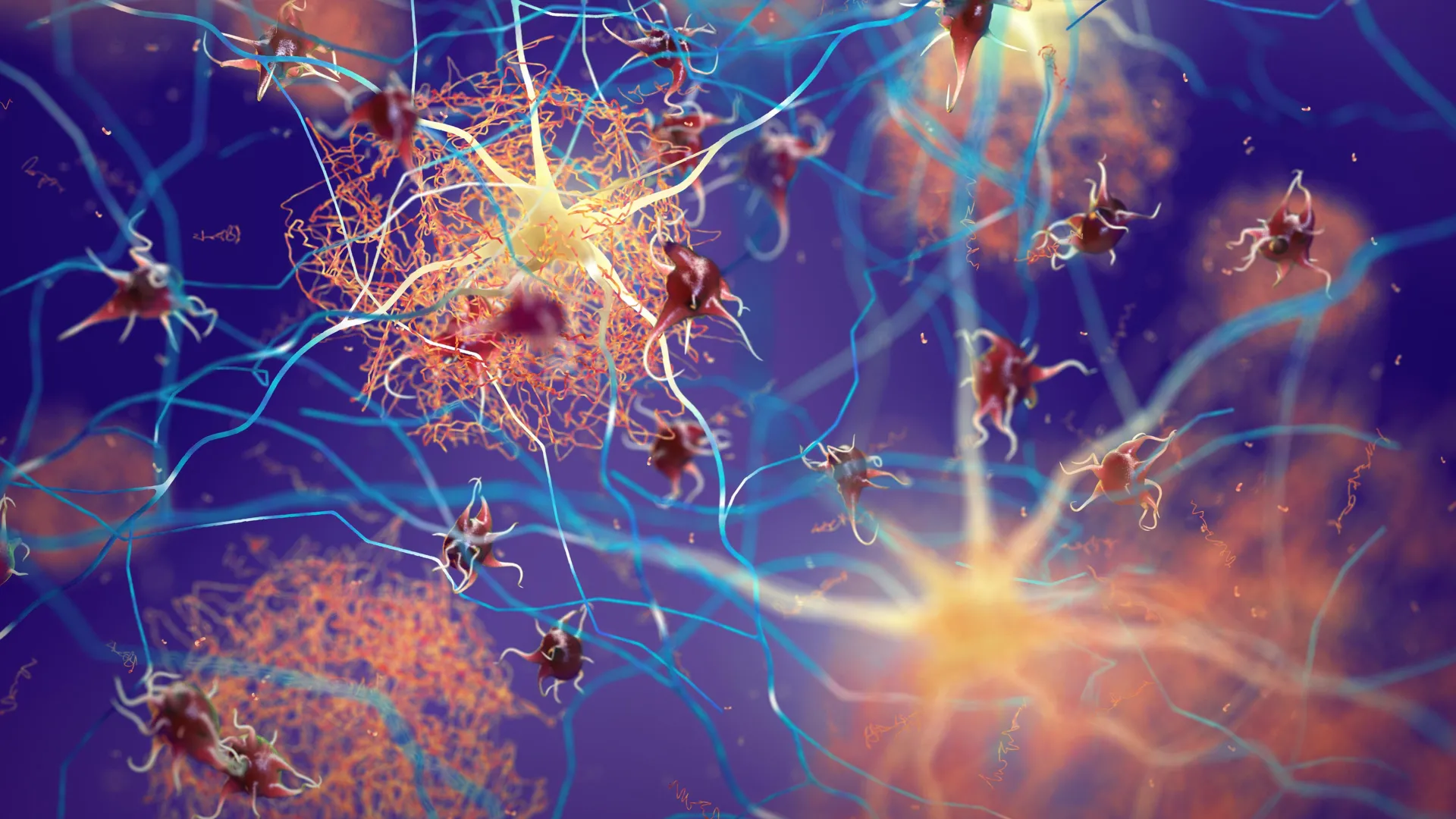
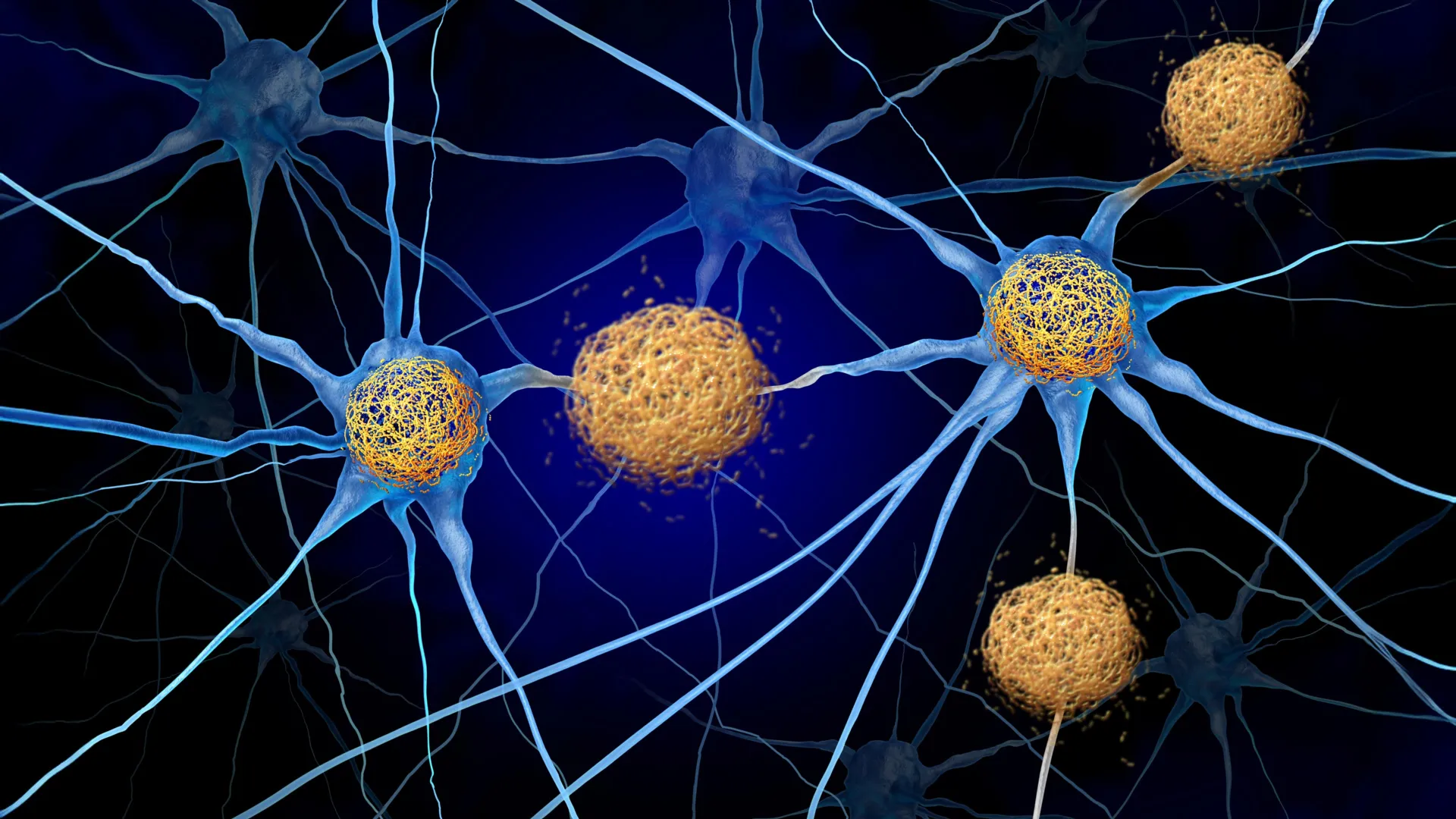
Researchers at Baylor College of Medicine have identified a remarkable intrinsic mechanism within the brain that can actively dismantle existing amyloid plaques, the hallmark pathological protein aggregates associated with Alzheimer’s disease, while simultaneously safeguarding cognitive functions like memory and thinking. This groundbreaking discovery pivots on the role of astrocytes, star-shaped glial cells that provide critical support to neurons. The study reveals that by manipulating a key protein, Sox9, these astrocytes can be directed to become potent agents in clearing toxic plaque deposits, offering a novel therapeutic avenue for neurodegenerative conditions.
The Astrocytic Ally in Alzheimer’s Fight
Amyloid plaques, composed primarily of beta-amyloid peptides, accumulate in the brains of individuals with Alzheimer’s disease, disrupting neuronal communication and leading to the progressive cognitive decline characteristic of the illness. For decades, research has largely focused on preventing the formation of these plaques or targeting neurons directly. However, the Baylor team’s findings, published in the esteemed journal Nature Neuroscience, shift the paradigm by highlighting the potential of leveraging the brain’s own support system—astrocytes—to combat the disease.
Astrocytes are far more than passive scaffolding; they are integral to nearly every aspect of brain function. They regulate the flow of nutrients and oxygen to neurons, form the blood-brain barrier, modulate synaptic plasticity, and play a crucial role in brain immunity. Their involvement in aging and neurodegenerative diseases, however, has remained an area of intense investigation.
"Astrocytes perform diverse tasks that are essential for normal brain function, including facilitating brain communications and memory storage," explained Dr. Dong-Joo Choi, the study’s first author, who conducted the research while at Baylor’s Center for Cell and Gene Therapy and Department of Neurosurgery. Dr. Choi, now an assistant professor at the Center for Neuroimmunology and Glial Biology at the University of Texas Health Science Center at Houston, elaborated on the aging brain’s challenges. "As the brain ages, astrocytes show profound functional alterations; however, the role these alterations play in aging and neurodegeneration is not yet understood." This gap in knowledge propelled the researchers to investigate how aging impacts astrocyte function and its implications for Alzheimer’s disease.
The Central Role of Sox9 in Astrocytic Activity
The study’s focus converged on Sox9, a transcription factor that plays a pivotal role in regulating the activity of numerous genes within astrocytes, particularly as they age. By understanding how Sox9 influences astrocyte behavior, the researchers aimed to uncover a controllable mechanism for enhancing their plaque-clearing capabilities.
"We manipulated the expression of the Sox9 gene to assess its role in maintaining astrocyte function in the aging brain and in Alzheimer’s disease models," stated Dr. Benjamin Deneen, the corresponding author. Dr. Deneen holds the prestigious Dr. Russell J. and Marian K. Blattner Chair in the Department of Neurosurgery at Baylor, serves as director of the Center for Cancer Neuroscience, and is a principal investigator at the Jan and Dan Duncan Neurological Research Institute at Texas Children’s Hospital. His lab has a long-standing interest in glial cell biology and its therapeutic potential.
A Crucial Experimental Design: Targeting Established Disease
A key strength of this research lies in its experimental design, which utilized mouse models that had already developed the pathological hallmarks of Alzheimer’s disease, including the presence of amyloid plaques and demonstrable cognitive impairments, such as memory deficits. This approach is considered more reflective of the clinical reality for many Alzheimer’s patients, who often seek treatment after the disease has progressed.
"An important point of our experimental design is that we worked with mouse models of Alzheimer’s disease that had already developed cognitive impairment, such as memory deficits, and had amyloid plaques in the brain," Dr. Choi emphasized. "We believe these models are more relevant to what we see in many patients with Alzheimer’s disease symptoms than other models in which these types of experiments are conducted before the plaques form."
To rigorously test their hypothesis, the researchers employed genetic manipulation techniques to either increase or completely suppress the expression of Sox9 in these afflicted mice. The study then meticulously tracked the cognitive performance of these animals over a six-month period. This evaluation included behavioral tests designed to assess their ability to recognize familiar objects and environments, crucial indicators of memory function. At the conclusion of the six-month observation period, the researchers quantified the extent of amyloid plaque accumulation in the brains of the experimental groups.
Demonstrable Impact: Sox9 Boost Enhances Plaque Clearance and Cognitive Function
The results of these experiments provided compelling evidence of Sox9’s critical role. Mice with reduced Sox9 levels exhibited accelerated plaque buildup, a simplification of astrocyte structural complexity, and a diminished capacity to clear amyloid deposits. Conversely, increasing Sox9 expression yielded the opposite, highly beneficial outcomes. Astrocytes became more active, their structural complexity improved, and they demonstrated a significantly enhanced ability to remove amyloid plaques from the brain.
Crucially, the cognitive assessments mirrored these pathological findings. Mice engineered to have higher levels of Sox9 maintained significantly better cognitive function throughout the study period. This correlation strongly suggests that by activating astrocytes to clear existing amyloid plaques, it is possible to mitigate or slow down the mental decline associated with Alzheimer’s disease.
"We found that increasing Sox9 expression triggered astrocytes to ingest more amyloid plaques, clearing them from the brain like a vacuum cleaner," Dr. Deneen vividly described. "Most current treatments focus on neurons or try to prevent the formation of amyloid plaques. This study suggests that enhancing astrocytes’ natural ability to clean up could be just as important, if not more so, in certain stages of the disease."
Implications for Future Alzheimer’s Therapies
The findings from Baylor College of Medicine represent a significant paradigm shift in how Alzheimer’s disease might be treated. Instead of solely focusing on blocking the production of amyloid or targeting the neurons directly, this research proposes a strategy that revitalizes the brain’s inherent protective mechanisms. The ability to harness astrocytes, the workhorses of the brain, to actively remove established pathology offers a novel and potentially more effective therapeutic avenue.
The researchers acknowledge that further investigation is imperative to fully elucidate the complex mechanisms by which Sox9 operates within the human brain across different ages and disease stages. However, the current findings unequivocally pave the way for the development of innovative therapies. These future treatments could aim to specifically enhance astrocytic function, transforming these support cells into a powerful natural defense against the ravages of neurodegenerative diseases.
Background and Context of Alzheimer’s Research
Alzheimer’s disease, a progressive neurodegenerative disorder, is the most common cause of dementia, affecting millions worldwide. Its insidious progression leads to the loss of neurons and synapses, particularly in areas of the brain critical for memory, thought, and behavior. The accumulation of beta-amyloid plaques and neurofibrillary tangles, composed of tau protein, are the primary pathological hallmarks. While the precise triggers remain a subject of intense research, genetic predisposition and age are major risk factors. Current therapeutic strategies have primarily focused on managing symptoms, with limited success in halting or reversing the disease’s progression. The development of disease-modifying therapies that target the underlying pathology has been a major goal for decades.
Timeline of Discovery (Hypothetical Chronology Based on Study Design)
- Early Stages of Research: Initial investigations by Dr. Deneen’s lab and others identify the critical role of astrocytes in brain health and disease. The aging of astrocytes and their altered functions are noted as a key area for exploration.
- Focus on Sox9: Researchers identify Sox9 as a key regulator of astrocyte activity, particularly in the context of aging. This leads to the hypothesis that manipulating Sox9 could impact astrocyte function relevant to neurodegeneration.
- Model Selection and Design: The team opts for mouse models that exhibit established Alzheimer’s pathology and cognitive deficits, aiming for greater clinical relevance. This decision is crucial for testing interventions on existing disease rather than prevention.
- Experimental Interventions: Mice are genetically modified to either increase or decrease Sox9 expression. This forms the core experimental manipulation.
- Longitudinal Study (Six Months): Animals undergo rigorous behavioral testing to assess cognitive function over an extended period. This allows for observation of changes in memory and thinking abilities.
- Pathological Analysis: Post-mortem brain tissue analysis is conducted to quantify amyloid plaque burden and examine astrocyte morphology and function.
- Data Analysis and Interpretation: Results from behavioral and pathological assessments are correlated to establish the link between Sox9 levels, astrocyte function, plaque clearance, and cognitive preservation.
- Publication in Nature Neuroscience: The findings are peer-reviewed and published, disseminating the groundbreaking discovery to the scientific community.
Supporting Data and Scientific Rationale
The study’s findings are underpinned by several key scientific principles:
- Astrocytic Phagocytosis: Astrocytes, like microglia (the brain’s primary immune cells), possess phagocytic capabilities, meaning they can engulf and remove cellular debris and foreign material, including amyloid aggregates. This research demonstrates that Sox9 activation significantly enhances this inherent phagocytic capacity in astrocytes.
- Sox9 as a Master Regulator: Sox9 is known to control the expression of a wide array of genes involved in cellular differentiation, proliferation, and function. Its role in astrocytes likely orchestrates a cascade of molecular events that promote their clearance functions.
- Aging and Neuroinflammation: As the brain ages, astrocytes can become dysfunctional, contributing to chronic low-grade inflammation (neuroinflammation) and impaired tissue repair. The study suggests that restoring functional astrocytic activity through Sox9 manipulation could counteract these detrimental aging-related changes.
- Amyloid Cascade Hypothesis: While not the sole explanation for Alzheimer’s, the amyloid cascade hypothesis posits that the accumulation of beta-amyloid is a central driver of the disease pathology. Effectively clearing these plaques is therefore a primary therapeutic objective.
Potential for Broader Impact and Future Directions
The implications of this research extend beyond Alzheimer’s disease. Many other neurodegenerative conditions, such as Parkinson’s disease and Huntington’s disease, are also characterized by the accumulation of toxic protein aggregates. If Sox9-mediated astrocytic clearance mechanisms are conserved across different neurodegenerative pathologies, this approach could offer a unified therapeutic strategy.
However, challenges remain. Understanding the precise molecular pathways downstream of Sox9 activation is crucial for developing targeted drug therapies. Furthermore, ensuring the safety and specificity of any intervention designed to boost Sox9 activity in humans will be paramount, as astrocytes are involved in numerous complex brain functions, and unintended consequences must be avoided.
Reactions from the Scientific Community (Inferred)
While direct quotes from external parties were not available for this rewrite, the publication in a high-impact journal like Nature Neuroscience typically garners significant attention within the Alzheimer’s research community. Leading neuroscientists would likely view these findings with considerable interest, recognizing the potential for a novel therapeutic paradigm. Experts might offer commentary on:
- The novelty of the approach: The shift from plaque prevention to plaque clearance via astrocytes is a significant departure from many established research directions.
- The translational potential: The use of animal models with established disease symptoms strengthens the argument for clinical relevance.
- The need for further validation: Replication of these findings in other models and ultimately in human studies would be a critical next step.
- The complexity of astrocytic biology: Acknowledging that manipulating such fundamental cellular processes requires careful consideration of potential off-target effects.
Research Team and Funding Acknowledgement
The groundbreaking research was conducted by a dedicated team at Baylor College of Medicine. Key contributors included Sanjana Murali, Wookbong Kwon, Junsung Woo, Eun-Ah Christine Song, Yeunjung Ko, Debo Sardar, Brittney Lozzi, Yi-Ting Cheng, Michael R. Williamson, Teng-Wei Huang, Kaitlyn Sanchez, and Joanna Jankowsky.
This extensive research effort was generously supported by a suite of prestigious grants from the National Institutes of Health (NIH), including grants R35-NS132230, R01 AG071687, R01 CA284455, K01 AG083128, and R56 MH133822. Additional crucial funding was provided by the David and Eula Wintermann Foundation and the Eunice Kennedy Shriver National Institute of Child Health & Human Development of the NIH under Award Number P50 HD103555. The study also benefited from shared resources at Houston Methodist and Baylor College of Medicine, underscoring the collaborative nature of modern scientific discovery.