Jono Maryono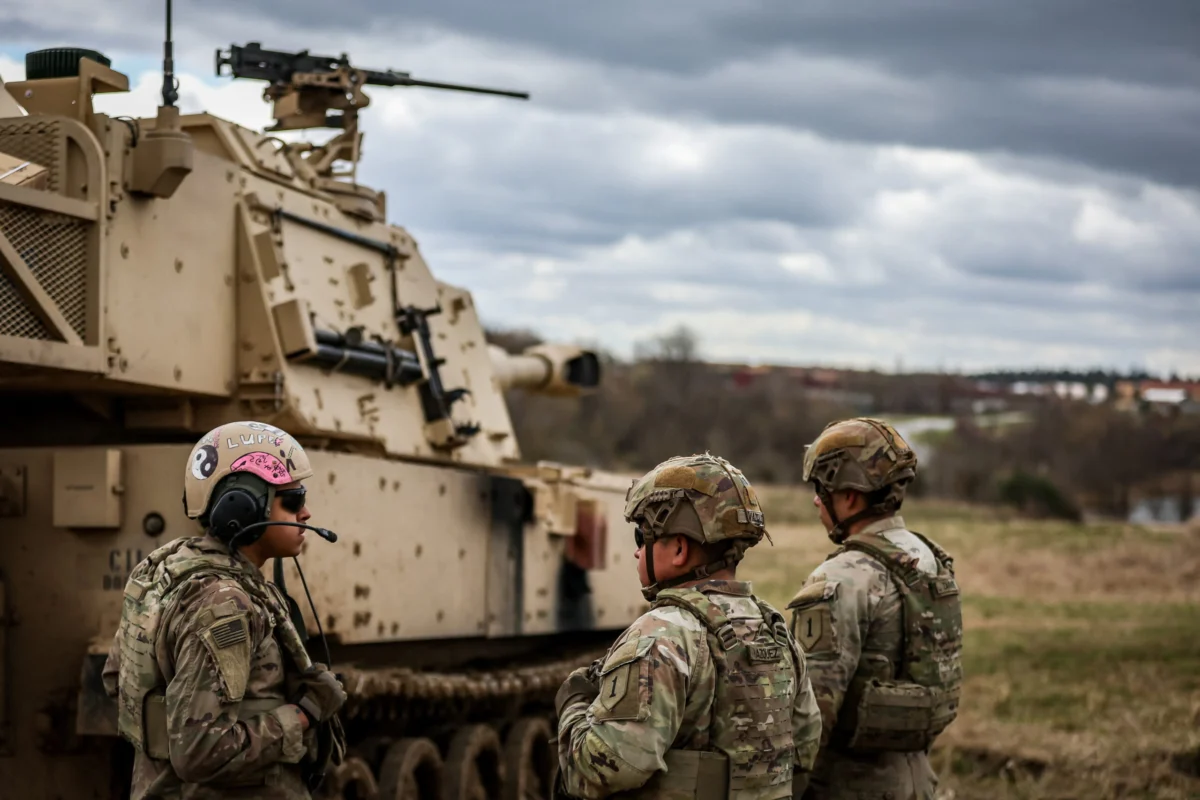
The United States has announced plans to withdraw approximately 5,000 troops from Germany over the next six to twelve months, a significant troop reduction that NATO is currently assessing. This move occurs against a backdrop of escalating tensions between the U.S. and its European allies concerning the ongoing conflict in Iran, with President Donald Trump expressing particular dissatisfaction with Germany’s stance. NATO spokesperson Allison Hart confirmed the alliance is working with the U.S. to understand the implications of this decision on force posture within Germany.
Shifting Strategic Landscape and Diplomatic Friction
The planned drawdown of American forces from Germany, a cornerstone of NATO’s presence in Europe for decades, signals a potential recalibration of U.S. military priorities and a broader shift in the transatlantic security architecture. This development is intricately linked to President Trump’s persistent criticism of European allies, most notably Germany, for what he perceives as insufficient support and engagement in the U.S.-led military actions against Iran.
The core of the diplomatic friction appears to stem from differing perspectives on the Iran conflict. President Trump has openly voiced his frustration with German Chancellor Friedrich Merz, who recently characterized the U.S. as being "humiliated" by Iran’s leadership. This statement drew a sharp rebuke from Trump, who publicly urged Merz to cease "interfering" in matters concerning Iran and instead focus on domestic issues within Germany. The U.S. President has, in the past, also leveled criticism at NATO itself, labeling it a "paper tiger" and "absolutely useless," further underscoring a growing disconnect in strategic outlooks between Washington and its traditional European partners.
Background: The Iran Conflict and Transatlantic Divides
The U.S. military involvement in the current conflict with Iran has been a point of contention for some time. While the exact nature and timeline of these military actions are not fully detailed in public statements, the U.S. has consistently advocated for a more robust international response to perceived Iranian aggression. However, European nations, including Germany, have often favored diplomatic solutions and expressed concerns about the potential for wider regional destabilization resulting from direct military confrontation.
Germany, as a key economic and political player within the European Union and a significant host nation for U.S. military assets in Europe, occupies a crucial position in this dynamic. Its approach to foreign policy, often characterized by a preference for multilateralism and de-escalation, has sometimes clashed with the more unilateral and assertive posture adopted by the Trump administration. This has led to recurring friction points, particularly concerning defense spending and burden-sharing within NATO, as well as strategic approaches to global security challenges.
The troop withdrawal can also be viewed within the broader context of the U.S.’s evolving strategic priorities. Analysts suggest that Washington may be re-evaluating its global military footprint, with a potential pivot towards the Indo-Pacific region, where China is increasingly viewed as a primary strategic competitor. This hypothetical reorientation would naturally lead to a reassessment of troop deployments in other theaters, including Europe.
Timeline and Key Events
While the official announcement of the troop withdrawal is recent, the underlying tensions have been building over an extended period.
- Past Years: Persistent U.S. pressure on NATO allies, particularly Germany, to increase defense spending to meet the alliance’s commitment of 2% of GDP. This pressure intensified under the Trump administration.
- Recent Months: Escalation of the conflict involving Iran, leading to increased U.S. military engagement and a more vocal stance from President Trump demanding greater support from allies.
- Specific Statements: Chancellor Merz’s public statement characterizing the U.S. as "humiliated" by Iran’s leadership, followed by President Trump’s direct criticism of Merz.
- NATO Summit (Previous Year): At the NATO summit held in The Hague, member states agreed to significantly boost defense spending, aiming for up to 5% of their budgets, a substantial increase from the previous 2% target. This agreement was partly in response to U.S. pressure and aimed at bolstering collective security.
- Current Announcement: The U.S. signals its intent to withdraw approximately 5,000 troops from Germany within the next six to twelve months.
- Ongoing Assessment: NATO and its member states are currently in the process of understanding the full implications and details of this troop reduction.
Supporting Data and Context
The presence of U.S. troops in Germany has historically been substantial, serving as a critical component of NATO’s collective defense posture and a forward-deployed element for U.S. military operations in Europe and beyond. While the exact number of U.S. service members stationed in Germany fluctuates, it has historically been in the tens of thousands. A withdrawal of 5,000 troops represents a significant reduction, impacting logistical capabilities, operational readiness, and the overall U.S. military footprint on the continent.
Germany hosts numerous U.S. military installations, including major bases like Ramstein Air Base, which serves as a vital hub for air operations and logistics. These bases are not only crucial for U.S. military readiness but also contribute significantly to the German economy through employment and procurement. The reduction in U.S. troop presence could therefore have economic repercussions in affected communities.
Furthermore, the troop reduction must be considered in light of NATO’s agreed-upon defense spending targets. The commitment made at the previous NATO summit to increase defense spending to up to 5% of GDP by member states was a direct response to calls for greater burden-sharing. The U.S. troop withdrawal could be interpreted as a catalyst for European nations to accelerate their investments in defense and take on greater responsibility for their own security, aligning with the spirit of that agreement.
Official Responses and Expert Analysis
NATO spokesperson Allison Hart acknowledged the alliance’s engagement with the U.S. to clarify the specifics of the troop withdrawal. "We are working with the U.S. to understand the details of their decision on force posture in Germany," Hart stated, emphasizing the ongoing nature of this assessment. She further added that the U.S. decision "underscores the need for Europe to continue to invest more in defence and take on a greater share of the responsibility for our shared security." Hart expressed confidence in NATO’s ability to maintain deterrence and defense capabilities as Europe strengthens its role within the alliance.
German Defence Minister Boris Pistorius indicated that Germany had anticipated a potential U.S. troop reduction. He stressed the imperative for European nations to assume greater responsibility for their own security. Pistorius pointed to Germany’s ongoing efforts in expanding its armed forces, expediting equipment procurement, and developing necessary infrastructure as evidence of the nation’s commitment to enhancing its defense capabilities. "Germany is on the right track" in this regard, he affirmed.
Former U.S. diplomat Donald Jensen provided an analytical perspective on the implications of the withdrawal. He suggested that the move reflects a fundamental shift in U.S. military objectives and could herald a long-term restructuring of Europe’s security framework. "The reduction or repositioning, whatever you want to call it, suggests a changing U.S. strategic set of objectives," Jensen commented, positing that more American troops might be redeployed to regions closer to China, which Washington increasingly perceives as a more significant threat than Russia.
Jensen further elaborated on the potential impact, stating that this military shift is likely to result in a "permanent change in that security architecture [of Europe], the final form of which we don’t know yet." He concluded by noting that the development "portends a more transactional view by Washington of our European partners." This perspective highlights a potential move away from traditional alliance commitments towards a more pragmatic, interest-based approach to international security partnerships.
Broader Impact and Implications
The U.S. troop withdrawal from Germany, while framed by some as a response to specific diplomatic disputes, carries significant implications for European security and the future of the transatlantic alliance.
Strengthening European Defense Autonomy:
The most immediate implication is the impetus it provides for European nations to bolster their own defense capabilities. The statement from German Defence Minister Pistorius and NATO’s Hart both emphasize the need for Europe to take greater ownership of its security. This could accelerate existing efforts to enhance military readiness, invest in advanced defense technologies, and foster greater interoperability among European forces. The increased defense spending agreed upon by NATO members may now be directed towards filling any perceived gaps created by the U.S. drawdown.
Reconfiguration of NATO’s Strategic Posture:
The withdrawal could lead to a significant reconfiguration of NATO’s operational and strategic posture in Europe. While the alliance remains committed to collective defense, the reduction in U.S. personnel may necessitate a redistribution of responsibilities and a greater reliance on the military contributions of other member states. This could, paradoxically, lead to a stronger and more cohesive European pillar within NATO, as outlined by NATO spokesperson Hart.
Geopolitical Realignments:
The potential pivot of U.S. military assets towards the Indo-Pacific, as suggested by analyst Donald Jensen, could have profound geopolitical consequences. A reduced U.S. military focus in Europe might create strategic vacuums or shift regional power dynamics. Conversely, it could also encourage European nations to develop more independent foreign policy and security strategies, less directly tied to U.S. directives.
Economic Considerations:
The economic impact on Germany and local communities hosting U.S. military bases warrants attention. While the exact scale of the economic effect is yet to be determined, a reduction in personnel often translates to decreased spending in local economies and potential job losses in support roles.
The Future of Transatlantic Relations:
The troop withdrawal, exacerbated by the ongoing diplomatic spat over the Iran conflict, underscores the evolving nature of transatlantic relations. While the core tenets of NATO remain in place, the relationship appears to be moving towards a more pragmatic and potentially less ideologically bound partnership. The emphasis on transactional relationships, as articulated by Jensen, suggests that future cooperation will be increasingly defined by mutual interests and tangible contributions.
In conclusion, the planned withdrawal of 5,000 U.S. troops from Germany is a multifaceted development with far-reaching implications. While ostensibly linked to disagreements over the Iran conflict, it also reflects broader strategic shifts and could serve as a catalyst for a more self-reliant and integrated European defense capability, while simultaneously reshaping the broader geopolitical landscape and the future of the transatlantic alliance. The full impact of this decision will unfold over the coming months and years as both the U.S. and its European allies adapt to this evolving security environment.