Kang Muslim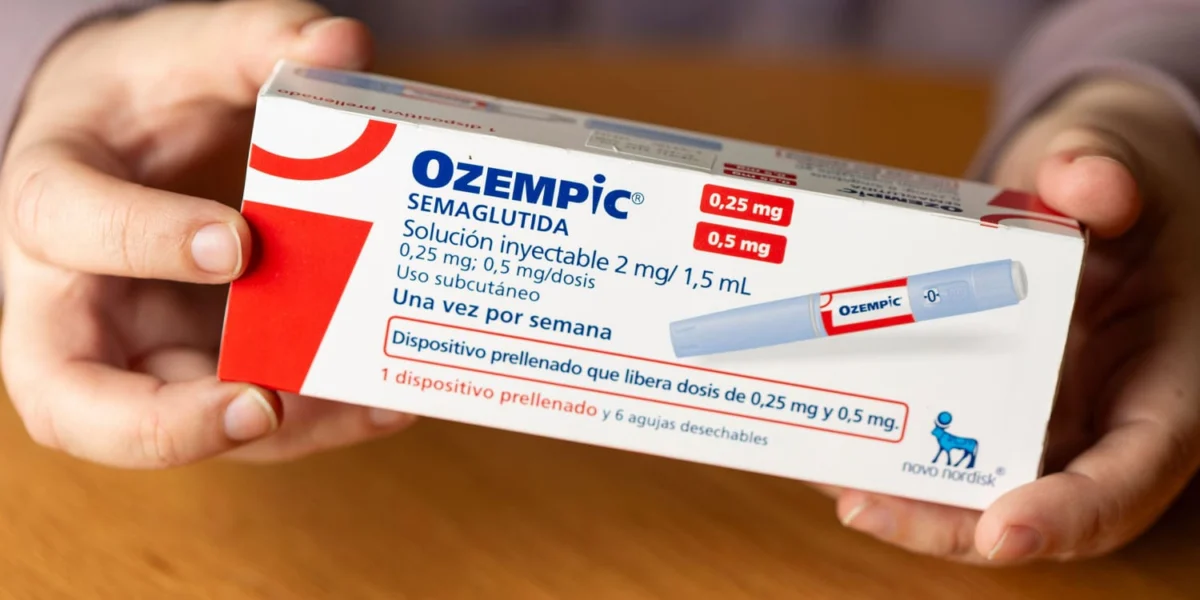
A landmark clinical trial has demonstrated that semaglutide, the active pharmaceutical ingredient in widely used weight-loss and diabetes medications such as Wegovy and Ozempic, may offer a significant new therapeutic pathway for treating alcohol use disorder (AUD). The study, published in the prestigious medical journal The Lancet, suggests that this class of drugs could fundamentally alter how medical professionals address the dual challenges of obesity and compulsive alcohol consumption. By targeting the brain’s reward circuitry, semaglutide appears to reduce the frequency of heavy drinking episodes and dampen the intense cravings that characterize addiction.
Alcohol use disorder remains one of the most pressing public health crises globally, characterized by a chronic inability to control or cease alcohol consumption despite adverse social, occupational, or health consequences. According to data from the World Health Organization (WHO), alcohol-related causes account for approximately five percent of all global deaths annually, totaling roughly three million fatalities. The condition is a primary driver of liver cirrhosis, various forms of cancer, and cardiovascular disease, yet it remains significantly undertreated.
The Current Landscape of Addiction Treatment
Despite the high prevalence and severe health consequences of AUD, the medical community has historically struggled with a limited pharmacological toolkit. To date, the United States Food and Drug Administration (FDA) has approved only three medications for the treatment of alcohol dependence: disulfiram, which induces an acute sensitivity to ethanol; acamprosate, which stabilizes brain chemistry disrupted by chronic drinking; and naltrexone, which blocks opioid receptors to reduce the "buzz" associated with alcohol.
While these medications provide relief for some, they are not universally effective and suffer from low patient adherence and significant underutilization. George Koob, Ph.D., a study co-author and the director of the National Institute on Alcohol Abuse and Alcoholism (NIAAA), emphasized the importance of expanding these options. "Very few medications are currently approved for alcohol use disorder, and these are vastly underutilized. A new option that is more accessible and more effective could be a gamechanger for closing the treatment gap," Koob stated in an official release from the National Institutes of Health (NIH).
The Rise of GLP-1 Receptor Agonists
The focus of addiction researchers has recently shifted toward glucagon-like peptide-1 (GLP-1) receptor agonists. Originally developed to improve glycemic control in patients with type 2 diabetes and later approved for chronic weight management, these drugs mimic a naturally occurring hormone produced in the gut and the brain. In the digestive system, GLP-1 regulates insulin secretion and slows gastric emptying; however, its receptors are also prevalent in the brain’s mesolimbic system—the area responsible for reward processing.
When an individual consumes alcohol or high-calorie "palatable" foods, the brain’s reward pathways release dopamine, creating a sense of euphoria. Scientists hypothesize that GLP-1 agonists modulate these pathways, essentially lowering the "reward" value of addictive substances. Previous research in animal models showed that rats and monkeys treated with GLP-1 agonists consumed significantly less alcohol. Furthermore, retrospective population studies indicated that diabetic patients prescribed these medications had lower rates of alcohol-related hospitalizations. Until now, however, robust clinical evidence in humans remained elusive.
Study Design and Methodology
The trial, led by Dr. Mette Kruse Klausen of Copenhagen University Hospital, was designed as a randomized, double-blind, placebo-controlled study—the gold standard for clinical evidence. The research team specifically targeted a cohort that reflected a common clinical reality: individuals struggling with both AUD and obesity.
The investigators recruited 108 adult participants who met the Diagnostic and Statistical Manual of Mental Disorders (DSM-5) criteria for moderate to severe alcohol use disorder. Each participant also had a body mass index (BMI) of 30 or higher. The cohort was split into two groups of 54. One group received a weekly subcutaneous injection of 2.4 milligrams of semaglutide, while the control group received a matching placebo of saline solution.
To ensure the integrity of the double-blind design, the researchers implemented rigorous controls. Because the semaglutide delivery pen produces a distinct mechanical "click" during administration, participants were blindfolded and wore headphones playing music during their weekly injections to prevent them from identifying whether they were receiving the active drug. The trial lasted 26 weeks, allowing the medication to reach a steady-state concentration in the participants’ systems.
In addition to pharmacological intervention, all 108 participants received up to ten sessions of cognitive behavioral therapy (CBT). This psychological support aimed to provide patients with coping mechanisms for cravings and strategies for avoiding high-risk drinking situations, ensuring that the drug’s effects were measured alongside standard-of-care behavioral treatment.
Quantitative Results and Biomarker Validation
The primary endpoint of the study was the reduction in the percentage of heavy drinking days (HDDs). For the purposes of the trial, a heavy drinking day was defined as consuming more than 60 grams of pure alcohol for men and 48 grams for women.
The results revealed a stark contrast between the two groups:
- Semaglutide Group: Experienced a 41.1 percentage point reduction in heavy drinking days.
- Placebo Group: Experienced a 26.4 percentage point reduction.
- Treatment Difference: An estimated 13.7 percentage point advantage for the semaglutide group.
Beyond the primary metrics, the semaglutide group showed improvements across nearly all secondary alcohol-related indicators. Total alcohol consumption volume decreased more significantly in the active treatment group, and participants reported fewer drinks per drinking day. Crucially, subjective craving scores were markedly lower for those on semaglutide.
To verify self-reported data, the researchers utilized objective biological markers. They measured levels of phosphatidyl ethanol (PEth), a biomarker that stays in the blood for weeks after alcohol consumption. The PEth levels in the semaglutide group dropped significantly, providing biological confirmation of the reduction in drinking. In contrast, the placebo group showed no statistically significant change in this biomarker.
Physical Health Improvements and Safety Profile
As expected, given semaglutide’s primary use as a weight-loss drug, the physical health of the active treatment group improved significantly. Participants taking semaglutide lost an average of 11.2 kilograms (approximately 24.7 pounds), compared to just 2.2 kilograms (4.8 pounds) in the placebo group. Reductions in waist circumference and blood pressure were also recorded.
Safety monitoring included regular blood work to check organ function. Researchers noted a significant decrease in alanine aminotransferase (ALT), an enzyme that indicates liver damage, suggesting that the reduction in alcohol intake was already yielding benefits for liver health. While some patients showed a slight elevation in amylase (a digestive enzyme), no symptomatic cases of pancreatitis—a known potential side effect of GLP-1 drugs—were reported.
The most common adverse effects were gastrointestinal, including nausea, vomiting, and stomach pain. These are typical for GLP-1 medications and were classified as mild to moderate. Despite these side effects, the dropout rate was remarkably low; only four individuals in the semaglutide group discontinued the trial due to adverse effects, and 81% of the total participants completed the full 26-week course.
Analysis of Clinical Effectiveness
One of the most compelling findings of the study was the "Number Needed to Treat" (NNT). The NNT is a statistical measure used to determine how many patients must be treated for one person to achieve a specific positive outcome. For semaglutide in this study, the NNT was 4.3.
In clinical terms, an NNT of 4.3 is considered highly effective, especially in the field of addiction medicine. For comparison, the NNT for currently approved AUD medications like naltrexone or acamprosate typically ranges from 7 to 12. This suggests that semaglutide may be nearly twice as effective as current standard-of-care medications for this specific patient population.
Nora Volkow, M.D., Director of the National Institute on Drug Abuse (NIDA) and a study co-author, noted the broader implications of these findings. "We’re beginning to see some of that potential for GLP-1s to treat drug addiction turn into reality," Volkow said. "Questions remain, but this is nonetheless very encouraging."
Limitations and Future Research
Despite the positive results, experts caution against viewing semaglutide as a universal "cure" for addiction. The study had several limitations that necessitate further investigation:
- Population Specificity: The trial only included participants with obesity (BMI ≥ 30). It is currently unknown if the drug would be equally effective for individuals of a healthy weight or if the weight loss itself contributed to the psychological shift in drinking habits.
- Demographics: The participants were predominantly white and recruited from a single clinical center in Denmark, which may limit the generalizability of the findings to more diverse populations.
- Substance Specificity: Interestingly, semaglutide did not appear to help participants quit smoking. Daily cigarette smokers in the study did not reduce their tobacco use, suggesting that the drug’s impact on the reward system may be specific to certain substances or behaviors.
- The Rebound Effect: A major concern involves what happens when treatment stops. Matt Field, a professor of psychology at the University of Sheffield, noted that GLP-1 drugs act like "brakes" on appetite. "When people stop taking them, they are essentially taking their foot off the brake," Field stated. There is a high risk that alcohol cravings and heavy drinking could return once the medication is discontinued, a phenomenon already observed in weight-loss patients who regain weight after stopping the drug.
Conclusion and Implications
The findings of this clinical trial represent a significant step forward in the integration of metabolic health and addiction medicine. By demonstrating that semaglutide can effectively reduce heavy drinking in patients with comorbid obesity, the study opens the door for a more holistic approach to treating these often-intertwined conditions.
As the medical community awaits larger, more diverse trials, the current data provides a strong foundation for the potential off-label use of GLP-1 agonists in addiction clinics. For the millions of people worldwide struggling with alcohol use disorder, particularly those who also face the health risks of obesity, semaglutide may soon represent a vital new tool in the quest for long-term recovery and improved public health.