Danny Garick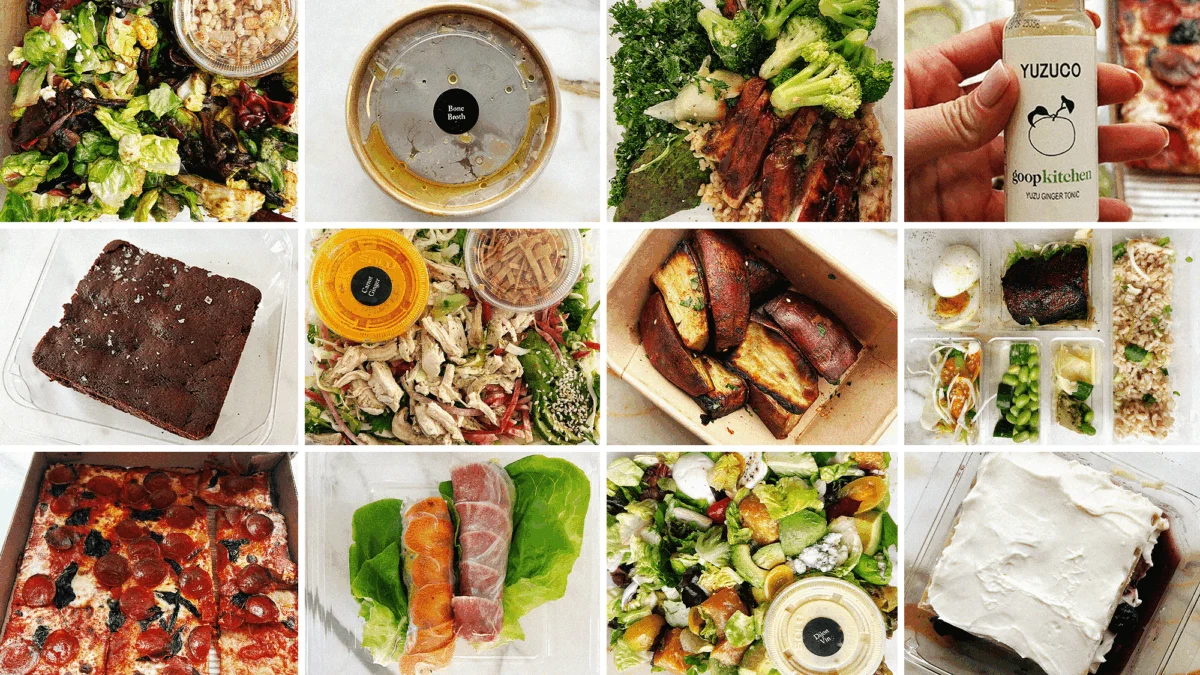
Goop Kitchen, the upscale fast-casual culinary brand founded by Academy Award-winning actress Gwyneth Paltrow and veteran chef Kim Floresca, has officially expanded its footprint to New York City, marking its first foray into the East Coast market. The venture, which first debuted in Los Angeles in 2021, opened its inaugural Manhattan ghost kitchen last week as part of a strategic multi-year rollout. This expansion follows the brand’s successful growth in Southern California and the San Francisco Bay Area, signaling a significant shift in the competitive landscape of wellness-focused, delivery-optimized dining in one of the world’s most demanding culinary markets.

The Manhattan opening is the first of seven planned locations across the borough, with a projected completion date for the New York expansion set for the end of 2026. Unlike traditional brick-and-mortar restaurants, Goop Kitchen operates primarily through a ghost kitchen model, focusing exclusively on pickup and delivery. This operational strategy allows the brand to maintain high ingredient standards while navigating the high overhead costs associated with New York City real estate. The expansion brings Goop’s signature "clean" eating philosophy to a bicoastal audience, offering a menu that is entirely gluten-free and devoid of refined sugars, seed oils, peanuts, and corn.
Strategic Evolution and Growth Chronology
The trajectory of Goop Kitchen reflects the broader evolution of the Goop brand, which began in 2008 as a lifestyle newsletter. Over the past 15 years, Goop has transitioned into a multi-faceted wellness empire, encompassing retail, skincare, and now, a sophisticated food service division. The culinary arm of the business was born from a collaboration between Paltrow and Kim Floresca, the Vice President of Culinary, whose background includes prestigious tenures at Michelin-starred institutions such as Per Se and The Restaurant at Meadowood.

The brand’s physical expansion began in March 2021 with its first location in Los Angeles. By 2023, the brand had established 11 locations across the Los Angeles metropolitan area, catering to a demographic that prioritizes dietary transparency and nutritional density. Earlier in 2024, the company moved into Northern California with three locations in the Bay Area. The move to Manhattan represents the most significant logistical challenge to date, requiring a recalibration of supply chains to ensure that organic produce and specialized ingredients—such as the brand’s signature cassava flour wraps—meet the same standards on the East Coast as they do on the West Coast.
Menu Engineering and Quality Control Standards
A defining characteristic of the Goop Kitchen model is its rigorous approach to quality control, specifically tailored for the delivery experience. In the development phase of new menu items, the culinary team implements a mandatory 45-minute waiting period before tasting. This protocol is designed to simulate the realistic time elapsed between a meal leaving the kitchen and arriving at a customer’s door. This ensures that textures, such as the crispness of the cauliflower "wonton" crisps or the structural integrity of the rice-paper-wrapped summer rolls, remain consistent during transit.

The Manhattan menu includes several "La-La Land" favorites alongside New York-exclusive items. Among the core offerings is the Brentwood Chinese Chicken Salad, which utilizes hand-pulled organic chicken, shredded bok choy, cabbage, and a carrot-ginger vinaigrette. The menu also features a diverse array of proteins, including whole rotisserie chickens and hot smoked salmon, as well as grain-free pastas and pizzas.
New York-specific additions, such as the chicken salad wrap—a reimagining of the traditional Waldorf salad—demonstrate the brand’s effort to localize its offerings. This wrap utilizes a grain-free tortilla from Coyotas, a brand known for its cassava flour-based products, aligning with Goop’s strict avoidance of corn and gluten. The "Pepperoni Potts" pizza, a gluten-free square pie, represents an attempt to compete in the New York market by offering a health-conscious alternative to the city’s storied pizza culture.

Market Context and Dietary Trends
The expansion of Goop Kitchen occurs amidst a significant rise in the "Food as Medicine" movement. Consumer data indicates a growing demand for transparency in ingredient sourcing, particularly regarding the use of seed oils—such as canola, soybean, and grapeseed oil—which have become a point of contention among wellness advocates due to their high omega-6 fatty acid content. By marketing a menu free from these oils and refined sugars, Goop Kitchen positions itself at the premium end of the fast-casual sector, competing with established players like Sweetgreen and Dig.
Supporting data from the National Restaurant Association suggests that the ghost kitchen market, valued at approximately $43 billion in 2020, is expected to reach over $70 billion by 2027. Goop Kitchen’s reliance on this model in New York City is a calculated move to capture the high volume of delivery orders in Manhattan while mitigating the risks associated with the city’s fluctuating foot traffic and high labor costs.

Financial and Operational Implications
The decision to focus on Manhattan as a hub for seven locations by 2026 suggests a high level of confidence in the scalability of the brand’s logistics. Operating seven ghost kitchens allows for a centralized prep system, which can drive down costs through bulk purchasing of organic and specialty ingredients. However, the price points of Goop Kitchen reflect its premium positioning. With salads and bowls ranging from $17.95 to $24.50, and side dishes like the garlic-roasted Japanese sweet potatoes priced at $10.50, the brand is targeting a high-income demographic that views wellness as a primary spending priority.
Industry analysts note that celebrity-led food ventures often struggle with long-term viability once the initial novelty fades. However, Goop Kitchen has attempted to insulate itself from this trend by focusing on culinary excellence and rigorous nutritional standards rather than relying solely on Paltrow’s fame. The involvement of Kim Floresca is central to this strategy, providing the brand with professional culinary credibility that distinguishes it from other "influencer-driven" food concepts.

Official Responses and Strategic Mission
While Goop has not released an official statement specifically regarding the Manhattan opening’s first-week revenue, sources close to the company indicate that the expansion is part of a broader mission to "democratize" access to the specific diet Paltrow has advocated for years. In previous interviews, Floresca has emphasized that the goal was to create a "culinary temple" that removes the guesswork for consumers with dietary restrictions.
"We wanted to create a menu where you don’t have to read the fine print," Floresca noted during the brand’s initial California launch—a philosophy that remains the cornerstone of the New York expansion. The focus on gluten-free and seed-oil-free cooking is not merely a marketing gimmick but a logistical commitment that requires specialized kitchen environments to prevent cross-contamination.

Broader Impact on the NYC Culinary Landscape
The arrival of Goop Kitchen in Manhattan is expected to influence local competitors to increase their transparency regarding ingredient lists and sourcing. As New York consumers become increasingly aware of the health implications of processed additives and certain cooking oils, the presence of a high-profile brand that strictly avoids these elements may set a new standard for the fast-casual industry.
Furthermore, the success or failure of Goop’s ghost kitchen model in New York will be closely watched by other national brands considering a similar entry strategy. Manhattan’s unique density and delivery infrastructure provide the ultimate testing ground for whether a premium, wellness-oriented brand can thrive without a traditional storefront.

As Goop Kitchen continues its rollout through 2026, its impact on the city’s dining habits will become clearer. For now, the brand’s arrival signifies a new era for Goop, moving from a source of lifestyle advice to a direct provider of the very products and meals it has long championed. The bicoastal presence of Goop Kitchen cements its status as a serious contender in the national food service arena, challenging the notion that "clean eating" is a niche market limited to the West Coast.