Jono Maryono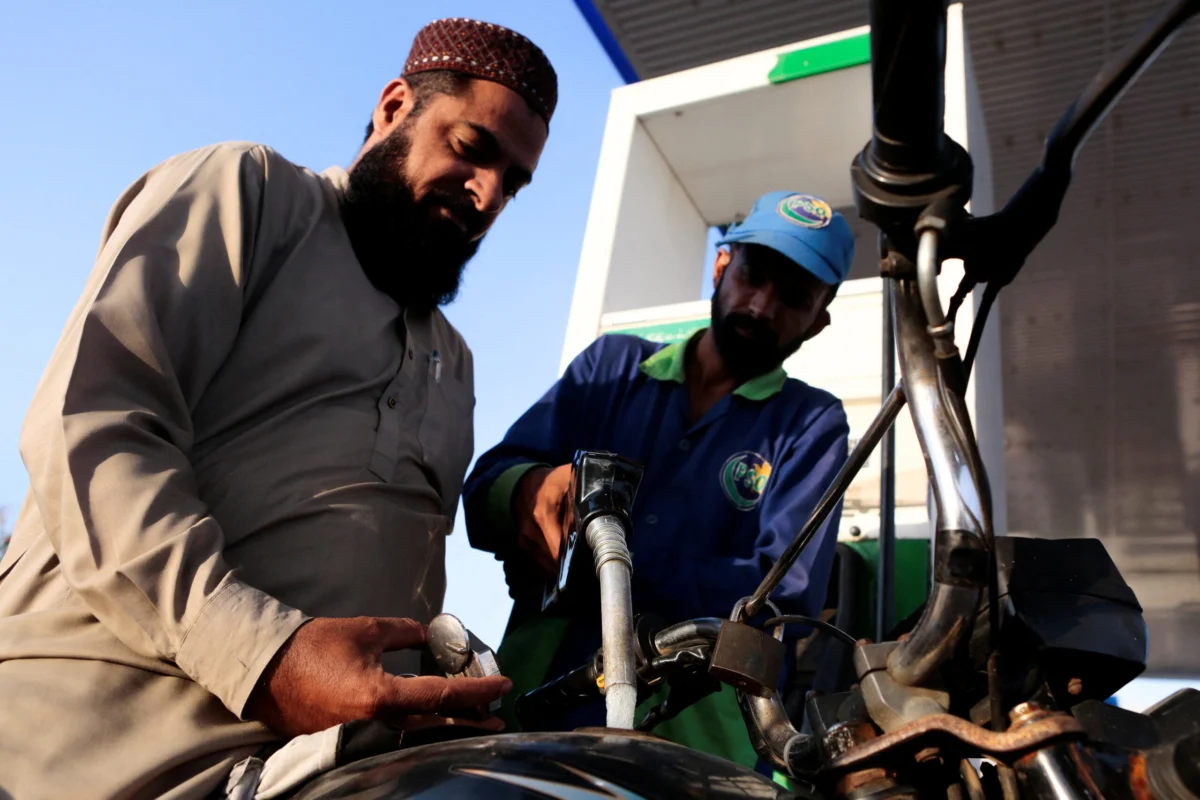
The most significant fuel price shock to impact Pakistan in over half a century is poised to trigger a cascade of crises, potentially destabilizing all facets of the economy and undermining the administration of Prime Minister Shehbaz Sharif. This burgeoning crisis, driven by a dramatic escalation in the nation’s fuel import expenditure, has ignited widespread concern among economic analysts and the general populace alike. The surge from an estimated $300 million to $800 million in the country’s oil import bill, as stated by Prime Minister Sharif himself earlier this week, has reportedly nullified two years of economic progress. Experts warn of severe ripple effects across critical sectors, from agriculture and transportation to the cost of essential goods, exacerbating the already dire cost-of-living challenges faced by Pakistani families.
The Economic Tremors of a Skyrocketing Import Bill
The stark reality of Pakistan’s escalating fuel import bill paints a grim picture of its economic vulnerability. Prime Minister Shehbaz Sharif’s revelation that the nation’s oil import costs have more than doubled, climbing from $300 million to $800 million, underscores the profound impact of the ongoing global conflict on the country’s financial stability. This substantial increase, which Sharif lamented has erased the economic gains of the past two years, signals a potential turning point for an economy already grappling with multifaceted challenges. Analysts are projecting increasingly severe knock-on effects that will permeate every layer of the economy.
Economist Kamran Butt, in a statement to Dawn newspaper, articulated the well-established economic principle that oil price hikes trigger a chain reaction. "Conventional economics tells us that oil price hikes trigger a chain reaction across the economy," Butt explained. "They increase transportation costs, push up the prices of daily-use commodities and food items, raise the overall cost of living, reduce purchasing power, increase poverty and unemployment, slow economic activity and eventually fuel public discontent as quality of life deteriorates." This widely accepted economic tenet is now playing out with alarming speed and intensity within Pakistan.
The State Bank of Pakistan (SBP) has taken a significant step in response to the escalating economic pressures, raising its key policy rate by a full percentage point to 11.5 percent. In its accompanying statement, the central bank acknowledged the gravity of the situation, noting, "The Committee noted that prolonging the Middle East conflict has intensified risks to the macroeconomic outlook. In particular, the global energy prices, freight charges and insurance premiums continue to remain significantly above pre-conflict levels. Furthermore, the supply chain disruptions have contributed to the prevailing uncertainty." This monetary policy adjustment signals the SBP’s attempt to curb inflationary pressures, a direct consequence of rising import costs.
Global Conflict, Local Vulnerability: Pakistan’s Precarious Position
While soaring fuel costs represent a global phenomenon, Pakistan finds itself particularly susceptible due to its heavy reliance on imported energy. This dependence exacerbates its already precarious balance-of-payments position, a critical indicator of a nation’s financial health. Fuel prices have a direct and immediate impact on inflation, as diesel powers essential transportation and agricultural machinery, including trucks, buses, tractors, and generators, which are integral to the food supply chain. Petrol prices, in turn, directly affect the cost of commuting and consumer transport.
The nation’s economic fragility is further compounded by its significant reliance on remittances from overseas workers, a substantial portion of whom are employed in the Gulf states. The ongoing conflict in the Middle East carries the potential to disrupt this vital source of foreign exchange, adding another layer of economic uncertainty. This confluence of factors – a swelling import bill, rising inflation, and potential disruption to remittances – is placing immense strain on an already fragile economy, weakened by years of persistent inflation, debt stress, and sluggish growth.
A Chronology of Escalating Concerns
The current economic predicament did not materialize overnight. It is the culmination of several interconnected factors, with the recent surge in global energy prices acting as a significant accelerant.

- Pre-Conflict Economic Landscape: Pakistan’s economy has been navigating a challenging path for years, characterized by high inflation, a substantial national debt, and a persistent deficit in its current account. Efforts to stabilize the economy through austerity measures and international financial assistance have yielded mixed results.
- Early Signs of Energy Price Volatility: Even before the recent escalation, global energy markets were experiencing fluctuations. However, the conflict in the Middle East dramatically amplified these trends, leading to unprecedented price spikes.
- The $300 Million to $800 Million Shock: The revelation by Prime Minister Sharif regarding the tripling of the oil import bill represents a critical inflection point. This dramatic increase, occurring over a relatively short period, has caught policymakers and the public off guard.
- Monetary Policy Response: The State Bank of Pakistan’s decision to raise the policy rate to 11.5 percent on April 27, 2026, signifies a proactive attempt to combat the inflationary pressures unleashed by higher import costs. This move, while necessary, also risks slowing down economic activity further.
- Public Protests and Political Ramifications: Reports of protests, such as the one by auto rickshaw drivers in Lahore on April 7, 2026, against rising fuel prices, underscore the growing public discontent. These protests are a stark indicator of the social and political fallout from the economic crisis.
Supporting Data: The Economic Impact
To further illustrate the gravity of the situation, consider the following data points:
- Trade Deficit: A significant increase in the fuel import bill directly widens Pakistan’s trade deficit. In the fiscal year 2022-23, Pakistan’s trade deficit stood at approximately $27.8 billion. A sustained rise in fuel imports could push this figure to alarming new heights, depleting foreign exchange reserves.
- Inflation Rates: Pakistan has been grappling with high inflation for an extended period. In March 2024, the Consumer Price Index (CPI) inflation was reported at 17.3 percent. The surge in fuel prices is expected to further exacerbate these figures, pushing essential goods beyond the reach of many households.
- Foreign Exchange Reserves: Pakistan’s foreign exchange reserves have been critically low for some time. The increased outflow of dollars to pay for fuel imports further strains these reserves, impacting the country’s ability to meet its international debt obligations and finance essential imports. As of early 2024, reserves hovered around $7-8 billion, barely covering a month of essential imports.
- Remittance Trends: While not directly caused by the conflict, any disruption to remittance flows from the Gulf region, which often account for over $2 billion per month, would be devastating. Any significant decline in this crucial revenue stream would amplify the balance of payments crisis.
The Tightrope Walk: Navigating Policy Options
The Pakistani government finds itself in a precarious position, facing a dilemma with no easy solutions. Analysts suggest that policymakers are caught between two unpalatable options: either pass the full brunt of global oil price increases onto consumers, risking widespread public anger and social unrest, or continue to subsidize fuel, thereby widening the budget deficit and potentially jeopardizing fiscal stability.
Pakistan’s adherence to a strict International Monetary Fund (IMF) program further constrains the government’s fiscal flexibility. The IMF’s oversight limits the extent to which the government can deviate from agreed-upon fiscal targets, including the level of fuel subsidies. Reports indicate that the government faced rebuffs from the IMF during April negotiations when it sought approval for higher fuel subsidies, highlighting the challenges of balancing domestic pressures with international financial commitments.
Kaiser Bengali, a former advisor for planning and development to the Sindh chief minister, expressed a critical view of the government’s approach. "We are in a state of absolute dependency, where even a $1bn tranche, which is a microscopic amount in global fiscal terms, can make the difference between survival and collapse," Bengali stated. He further criticized the current government’s focus on symbolic austerity measures, such as selling official vehicles or livestock. "The current government’s penchant for ‘austerity theatre’ – selling off official cars or symbolic goats and horses – is a joke that has been played out for 40 years. It does nothing to impact the oil market." This critique underscores the sentiment that superficial measures are insufficient to address the systemic economic challenges.
Broader Implications and Political Ramifications
The escalating economic crisis is inevitably intensifying pressure on Prime Minister Shehbaz Sharif’s administration. The rising cost of living, directly linked to soaring fuel prices, is fueling public anger and providing ammunition for opposition parties.
Aslam Ghauri of the JUI-F party articulated this political dynamic, stating, "The government’s flawed policies have imposed an economic war on the people." By strategically highlighting the burden of rising fuel costs on ordinary citizens, opposition parties aim to transform the economic emergency into a full-blown political crisis for the Sharif government. This political maneuvering is likely to dominate the national discourse and influence public opinion in the coming months.
The long-term implications of this crisis extend beyond immediate economic indicators. A sustained period of high inflation, coupled with a depreciating currency and a widening trade deficit, could lead to a prolonged period of economic stagnation. Furthermore, the social fabric of the nation is at risk, as increased poverty and unemployment can lead to heightened social tensions and instability. The government’s ability to navigate these complex challenges will be a defining factor in its tenure and the nation’s economic future. The international community, including the IMF and other lending institutions, will be closely monitoring Pakistan’s response, as its economic stability has broader regional implications. The path forward requires difficult policy choices, a commitment to structural reforms, and a clear strategy to insulate the most vulnerable segments of the population from the harshest economic realities.