Jono Maryono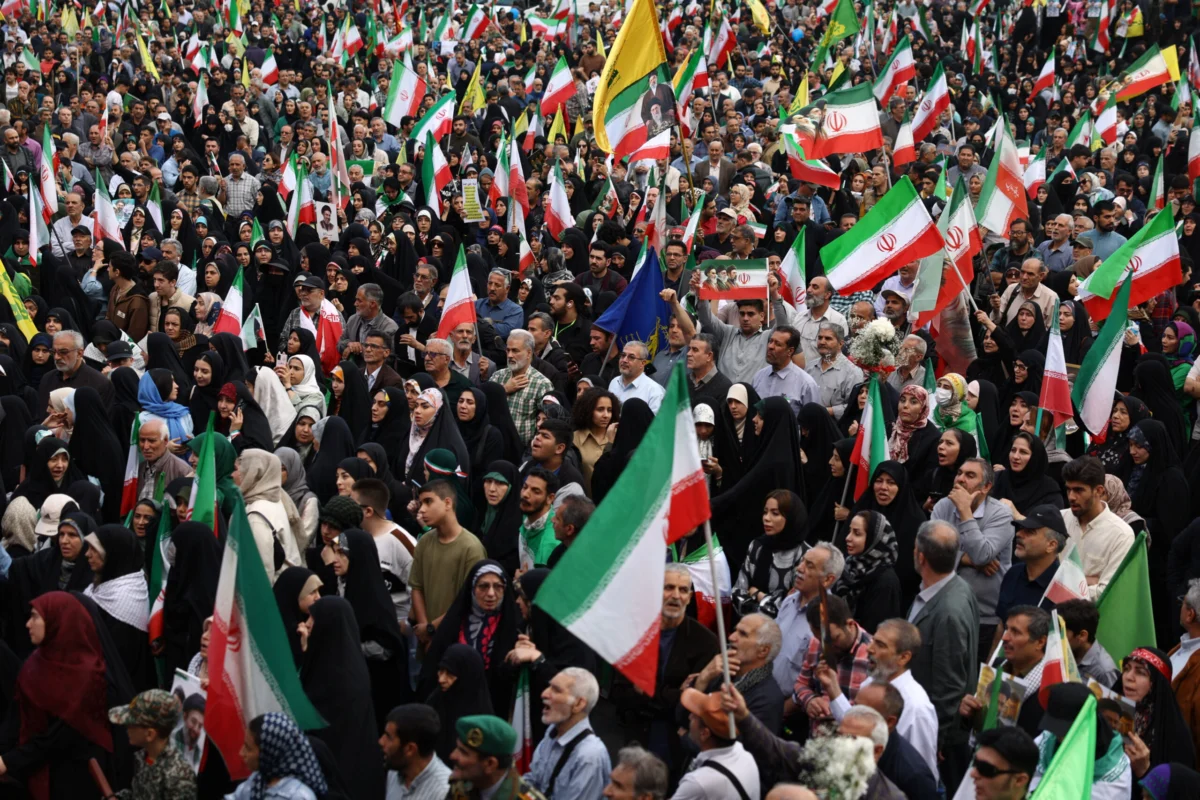
The escalating tensions in the Strait of Hormuz have sent shockwaves through global energy markets, with crude oil prices breaching the $120 per barrel mark for the first time in years. This surge, directly linked to heightened geopolitical instability in a critical waterway for oil transit, has consequently driven average gasoline prices in the United States to their highest point in four years, placing significant economic pressure on consumers and industries worldwide. The volatility underscores the strait’s indispensable role in the global energy supply chain and the profound impact that even localized friction can have on international commerce.
Escalating Tensions and Market Reaction
The immediate trigger for this dramatic price increase appears to be a series of incidents and heightened rhetoric involving Iran and international maritime forces within the Strait of Hormuz, a narrow chokepoint through which approximately 20-30% of the world’s seaborne oil trade passes daily. While specific details of recent confrontations remain fluid, reports indicate increased naval patrols, alleged harassment of commercial vessels, and defensive posturing by regional and international navies. This heightened state of alert has prompted oil traders to factor in a significant risk premium, reflecting the potential for supply disruptions.
Brent crude futures, the international benchmark, have seen a steep ascent, surpassing the $120 per barrel threshold. Similarly, West Texas Intermediate (WTI), the US benchmark, has experienced a commensurate rise, impacting downstream fuel markets. The psychological impact of prices reaching such levels is also a significant factor, often prompting a more cautious approach from consumers and businesses, potentially leading to reduced demand in the longer term if sustained.
Background: The Strait of Hormuz and its Geopolitical Significance
The Strait of Hormuz, a 21-mile wide waterway connecting the Persian Gulf to the Gulf of Oman and the open sea, has long been a focal point of geopolitical intrigue. Its strategic importance cannot be overstated. For decades, it has served as the primary artery for oil exports from major producers in the Middle East, including Saudi Arabia, Iran, Iraq, Kuwait, and the United Arab Emirates. Any threat to the free flow of oil through this strait has immediate and far-reaching implications for global energy security and economic stability.
The current escalation follows a period of complex diplomatic maneuvering and intermittent tensions between Iran and several Western nations, particularly the United States. Historical grievances, sanctions regimes, and differing interpretations of international maritime law have contributed to a precarious security environment in the region. The presence of naval assets from various countries, including those tasked with ensuring freedom of navigation, often leads to close encounters and the potential for miscalculation.
A Timeline of Escalation (Inferred and Contextual)
While specific dates of recent incidents leading to the current spike are not detailed in the initial report, the market reaction suggests a confluence of factors developing over a short period. Based on typical patterns of geopolitical friction impacting oil prices, a plausible timeline of events leading to the current market sentiment might include:
- Early April 2026: Increased reports of minor naval incidents or close encounters between Iranian vessels and international shipping or naval patrols within or near the Strait of Hormuz. These may have been initially dismissed as routine but began to create a low-level hum of concern among market participants.
- Mid-April 2026: A more significant incident, such as the alleged seizure of a commercial vessel or a direct confrontation between naval forces, is reported. This event would likely trigger initial price increases as risk assessments are revised.
- Late April 2026 (leading up to April 29th): Heightened rhetoric from political leaders on all sides, coupled with visible increases in naval deployments or defensive postures. This period would see the market anticipating further escalation, pushing prices upwards significantly. The image accompanying the report, dated April 29, 2026, depicts a rally in Tehran, suggesting a context of public engagement with national policies that may be contributing to the regional tensions.
- April 29th, 2026: The reporting date, indicating that global oil prices have definitively surpassed the $120 per barrel mark and US average gas prices have reached a four-year high. This represents the culmination of the preceding period of escalating tensions.
Supporting Data: The Impact on Consumers and Industry
The surge in oil prices has a direct and immediate impact on consumers through higher gasoline prices. In the United States, average gas prices hitting a four-year high translate to increased costs for commuters, truckers, airlines, and virtually every sector that relies on transportation. For example, if the average price of regular unleaded gasoline was previously around $3.50 per gallon, a significant increase could push it towards $4.50 or higher, representing a more than 25% jump. This impacts household budgets, potentially reducing discretionary spending and affecting consumer confidence.
Industrially, the ramifications are equally profound. Higher energy costs translate to increased operating expenses for manufacturers, agricultural producers (due to fuel for machinery and fertilizer production), and shipping companies. This can lead to price increases for a wide range of goods and services, contributing to inflationary pressures across the economy. For energy-dependent economies, the sustained high prices could also strain national budgets and impact trade balances.
Official Responses and Statements
In response to the escalating situation and its economic fallout, various official statements and reactions are to be expected:
United States: President Trump has previously linked the volatile energy markets to Iran’s pursuit of nuclear ambitions, suggesting a clear connection in his administration’s foreign policy. His administration is likely to reiterate calls for Iran to abandon its nuclear program and may impose further sanctions or diplomatic pressure. Statements from the White House would likely emphasize the need for stability in the Strait of Hormuz and the protection of international shipping lanes. Energy Secretary statements might focus on strategic petroleum reserve options and efforts to stabilize domestic energy markets.
Iran: Iranian officials are likely to maintain a defensive posture, asserting their right to national security and potentially framing any incidents as defensive actions or responses to perceived provocations. They may also use the situation to press for sanctions relief or to highlight what they perceive as unfair international pressure. State media would likely carry reports emphasizing national resolve and blaming external actors for regional instability.
International Bodies: Organizations such as the International Energy Agency (IEA) and the United Nations would likely issue calls for de-escalation and dialogue. The IEA might monitor global oil supplies and consider coordinated releases from strategic reserves if a significant supply disruption is imminent. Maritime organizations would be issuing advisories to shipping companies and reiterating the importance of safe passage.
Other Major Oil Consumers: Countries heavily reliant on oil imports, such as those in Europe and East Asia, would express concern and likely engage in diplomatic efforts to encourage de-escalation. They may also increase their own strategic petroleum reserves.
Broader Impact and Implications
The current standoff in the Strait of Hormuz, and its attendant surge in oil prices, carries significant broader implications:
- Economic Slowdown: Sustained high energy prices can act as a drag on global economic growth, leading to reduced consumer spending and business investment. This can exacerbate existing economic vulnerabilities and potentially trigger recessions in some regions.
- Inflationary Pressures: The increased cost of energy is a primary driver of inflation, impacting the cost of goods and services across the board. Central banks may face difficult decisions regarding interest rate policy, balancing the need to curb inflation with the risk of stifling economic activity.
- Geopolitical Realignment: Extended periods of instability in critical energy chokepoints can prompt countries to accelerate efforts to diversify their energy sources and supply chains, potentially leading to shifts in global energy alliances and investment patterns.
- Energy Security Concerns: The vulnerability of key maritime routes highlights the ongoing importance of energy security. Nations may redouble efforts to secure alternative supply routes, develop domestic energy resources, and invest in renewable energy technologies to reduce their dependence on volatile global markets.
- Impact on Climate Goals: While the immediate focus is on energy security and economic stability, prolonged reliance on fossil fuels due to supply concerns could, paradoxically, slow down the transition to cleaner energy sources if investments are diverted to securing existing fossil fuel infrastructure or exploring new, albeit temporary, fossil fuel sources.
The situation in the Strait of Hormuz serves as a stark reminder of the interconnectedness of global politics and economics. The price of oil, a fundamental commodity, is inextricably linked to the stability of crucial geopolitical regions, and disruptions there have tangible and far-reaching consequences for individuals and industries across the globe. The coming days and weeks will be critical in determining whether diplomatic efforts can de-escalate tensions and stabilize energy markets, or if the current volatility will become a sustained challenge for the global economy.