Ferry Irwandi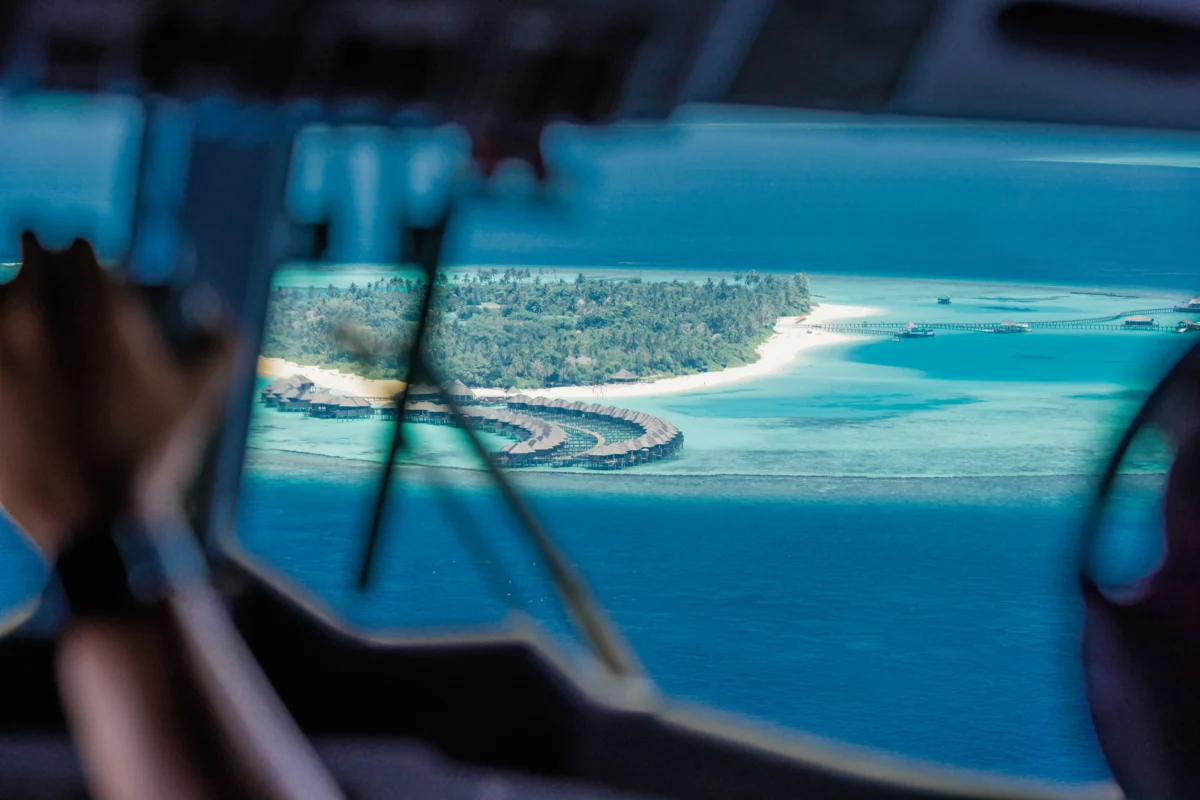
The Maldives, an archipelago synonymous with high-end luxury and seclusion, is currently undergoing a significant transformation in its tourism infrastructure and regulatory framework. As the nation prepares for a record-breaking influx of visitors in 2024, the Ministry of Tourism has signaled a shift toward modernized logistics and stricter social regulations. While the fundamental appeal of the Maldives—its visa-free entry for stays under 30 days and its "one island, one resort" concept—remains intact, travelers are now navigating a more complex landscape. From the phased opening of a multi-million dollar airport terminal to the implementation of a generational tobacco ban, the requirements for a seamless Maldivian escape have evolved. Understanding these changes is essential for budgeting, scheduling, and ensuring compliance with local laws.
Infrastructure Modernization: The Velana International Airport Expansion
A cornerstone of the Maldives’ economic strategy is the $800 million expansion of Velana International Airport (VIA). For decades, the airport’s capacity was a bottleneck for the nation’s tourism growth. The newly inaugurated terminal, which is part of a broader master plan to accommodate up to 7.5 million passengers annually, represents a significant leap forward in regional logistics. The new facility features advanced aerobridges, a massive increase in check-in counters, and streamlined immigration processing designed to eliminate the long queues that previously defined the peak season arrival experience.
However, the transition to the new terminal is being executed in phases. Travelers are advised that while many international carriers have migrated to the new facility, some regional and charter flights continue to operate from the older sections. This phased rollout necessitates that passengers verify their departure terminal with airlines at least 24 hours before travel. Despite these terminal changes, the secondary leg of Maldivian travel—transfers to outlying atolls—remains consistent. Resorts located in the North and South Malé Atolls continue to utilize high-speed boat transfers, while those in distant atolls like Baa, Lhaviyani, or Ari rely on seaplanes operated by Trans Maldivian Airways or Manta Air.
Regulatory Shifts: The Generational Smoking Ban and Vaping Prohibitions
In a bold move to align with global public health trends and protect its fragile ecosystem, the Maldivian government has introduced a generational smoking ban. This legislation dictates that any individual born on or after January 1, 2007, is legally prohibited from purchasing or using tobacco products within the country. For older travelers, smoking remains permitted, though it is increasingly restricted to designated areas within resorts and strictly regulated on local inhabited islands.
More significantly for the modern traveler is the absolute ban on vaping and e-cigarettes. Unlike tobacco, which is regulated by age, the Maldives has moved to ban the import and use of all electronic nicotine delivery systems. Customs officials at Velana International Airport have been instructed to confiscate these devices upon arrival. Travelers found attempting to bypass these regulations may face significant fines. This policy is not only a health measure but also an environmental one, as the disposal of lithium-ion batteries and plastic pods poses a severe threat to the archipelago’s marine environment.
Cultural Compliance and Import Restrictions
As an Islamic nation, the Maldives enforces strict customs laws that reflect its religious and cultural values. Travelers must be cognizant of prohibited items to avoid legal complications or delays at customs. The following items are strictly banned from entry:
- Religious Materials: Idols for worship or any material deemed offensive to Islam are prohibited.
- Food Products: Pork and any products containing pork derivatives are banned.
- Alcohol: While alcohol is readily available and legal for consumption within private resorts, it is illegal to bring personal supplies into the country. Any alcohol purchased at duty-free shops in transit will be confiscated and held by customs until your departure.
- Pornographic Material: The definition of pornography is broad and includes sex toys, which are routinely confiscated during baggage screenings.
The Economics of Maldivian Travel: Budgeting for Transfers and Taxes
One of the most common pitfalls for first-time visitors is underestimating the "hidden" costs of Maldivian logistics. Unlike most destinations where the journey ends at the airport, a Maldivian vacation requires a secondary, often expensive, transfer. Seaplane transfers are a premium service, with prices typically ranging from $270 to $450 per person. These transfers are often not included in the initial room rate and must be budgeted for separately.
Furthermore, the Maldivian government applies several taxes that can significantly impact the final bill. The Tourism Goods and Services Tax (TGST) currently stands at 16%, and a mandatory "Green Tax" of $6 per person, per day, is levied on all stays at tourist resorts. When booking, travelers should clarify whether their quoted price is "net" or inclusive of these fees. To mitigate the risk of a high "incidental" bill, there is a growing trend toward all-inclusive resorts. Properties such as those in the Soneva and Joali portfolios, as well as the Ozen Reserve Bolifushi, offer comprehensive packages that include premium spirits, fine dining, and even certain excursions, providing more predictable cost structures for luxury travelers.
Strategic Logistics: Resort Time and Diving Safety
A unique quirk of Maldivian travel is the concept of "Resort Time." To maximize daylight hours for guests, many resorts set their clocks one hour ahead of Malé Time (MVT). While this provides an extra hour of evening sunlight, it can cause confusion regarding flight departures. Travelers must always synchronize their departure logistics with the resort’s concierge to ensure they arrive at the airport according to the airline’s schedule, not the resort’s artificial time zone.
Additionally, the Maldives is a premier destination for scuba diving, particularly in UNESCO Biosphere Reserves like Baa Atoll. However, diving necessitates a strict adherence to safety protocols regarding air travel. Due to the risk of Decompression Sickness (DCS), the Divers Alert Network (DAN) and Maldivian dive centers recommend a minimum surface interval of 18 to 24 hours before flying. This is particularly critical for those utilizing seaplanes, which, while flying at lower altitudes than commercial jets, still experience pressure changes that can trigger DCS. Travelers are advised to schedule their last dive at least one full day before their departure date.
The Evolution of Honeymoon Perks and Demographic Policies
The Maldives has long been the world’s leading honeymoon destination, but the industry is seeing a shift toward more rigorous verification of marital status. To prevent the misuse of "honeymoon packages"—which often include room upgrades, private dinners, and spa credits—resorts are increasingly requiring proof of marriage. Travelers may be asked to present a marriage certificate dated within the last six to twelve months. Without this documentation, many resorts will downgrade the booking to a standard rate or revoke complimentary perks.
Simultaneously, the market is diversifying its demographic offerings. While resorts like Anantara Veli and Hurawalhi remain strictly adults-only to preserve a quiet atmosphere, other properties have invested heavily in family infrastructure. Resorts now offer sophisticated kids’ clubs with educational programs focusing on marine biology and sustainability. For families, the choice between an overwater villa and a beach villa is also a matter of safety; many resorts discourage or require waivers for families with young children staying in overwater units due to the lack of railings and the proximity to deep water.
Sustainability: Tourism in a Disappearing Nation
The most pressing context for Maldivian tourism is the climate crisis. With 80% of its 1,192 islands sitting less than one meter above sea level, the Maldives is one of the most vulnerable nations on Earth to rising sea levels. In response, the country has set an ambitious goal to reach Net Zero emissions by 2030. This national mandate has trickled down to the resort level, where sustainability is no longer an option but a necessity.
Leading resorts are now evaluated by their environmental footprint. Soneva Fushi, for instance, operates a "Waste-to-Wealth" center that recycles 90% of the resort’s waste. Gili Lankanfushi and Four Seasons Landaa Giraavaru have pioneered coral regeneration projects to combat the effects of coral bleaching caused by rising sea temperatures. For the modern traveler, choosing a resort with verified sustainable practices is a tangible way to support the preservation of the archipelago.
Fact-Based Analysis of Implications
The recent changes in the Maldives reflect a broader strategy to transition from a niche luxury market to a high-capacity, professionally managed global tourism hub. The airport expansion is a clear indicator that the Maldives expects to compete with major destinations like Dubai or Singapore for transit and tourism efficiency. However, the tightening of social and environmental regulations—such as the vaping ban and the smoking age limit—suggests that the government is unwilling to sacrifice its cultural identity or environmental health for unrestricted growth.
For the traveler, these developments mean that the "easy" Maldivian trip now requires more due diligence. The days of casual budgeting and spontaneous logistics are being replaced by a system that rewards early planning and cultural awareness. As the Maldives continues to balance its economic dependence on tourism with the existential threat of climate change, the visitor’s role is also evolving from a mere spectator to a participant in the island nation’s survival. Selecting resorts that prioritize the environment and adhering to local laws are essential steps in ensuring that this paradise remains accessible for future generations.