Jono Maryono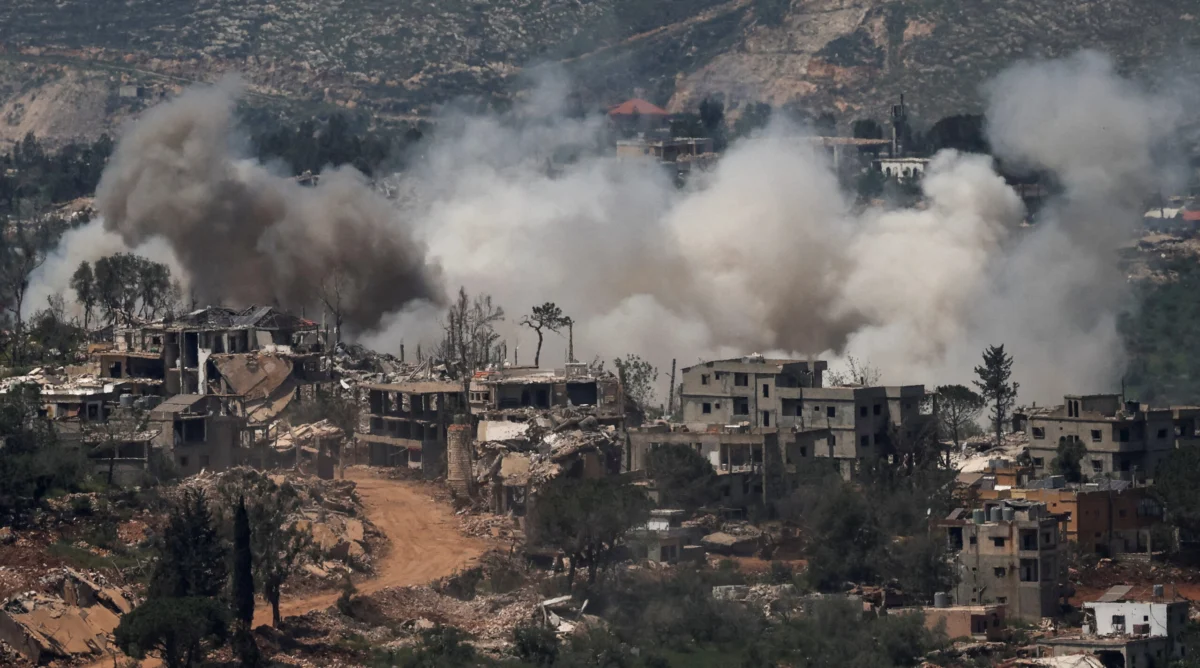
United Nations Secretary-General António Guterres has issued a stark warning, asserting that the escalating tensions between the United States and Iran in the Strait of Hormuz carry a significant risk of triggering a global food emergency. The pronouncements come amid a heightened geopolitical climate in the crucial waterway, a vital artery for international trade and a critical chokepoint for global energy supplies. The Secretary-General’s statement underscores the far-reaching consequences of regional conflicts, highlighting how localized disputes can have profound and destabilizing effects on the world’s most vulnerable populations.
The Strait of Hormuz, a narrow maritime passage connecting the Persian Gulf to the Gulf of Oman and the open ocean, is of paramount importance to the global economy. Approximately 20% of the world’s total petroleum liquids, including crude oil and refined products, pass through this strategic chokepoint annually. Any disruption to shipping in this region, whether through military action, increased naval presence, or retaliatory measures, could lead to severe price hikes in oil and gas, impacting industries and households worldwide. However, the UN chief’s concern extends beyond energy markets, directly addressing the potential for a catastrophic impact on global food security.
Background to the Hormuz Tensions
The current heightened tensions in the Strait of Hormuz are not an isolated incident but rather a complex culmination of years of geopolitical maneuvering, regional rivalries, and international policy shifts. The Strait has long been a focal point for strategic competition, particularly between Iran and the United States, along with its regional allies.
A History of Friction:
Since the Iranian Revolution in 1979, relations between Iran and the United States have been characterized by deep mistrust and sporadic confrontation. Iran, viewing the Strait as its sovereign territory and a critical defensive line, has historically asserted its right to control passage. Conversely, the United States, committed to ensuring freedom of navigation and the unimpeded flow of global commerce, particularly oil, maintains a significant naval presence in the region.
Key Incidents and Escalations:
- 1980s Iran-Iraq War: During this period, the Strait of Hormuz became a battleground, with both sides targeting oil tankers and shipping. The U.S. Navy was involved in escorting tankers and conducting naval operations to protect maritime traffic.
- 2010s Nuclear Deal and Sanctions: The international community’s efforts to curb Iran’s nuclear program led to a series of escalating sanctions, which Iran viewed as acts of economic warfare. Iran, in turn, has periodically threatened to close the Strait in retaliation.
- May 2019 Escalation: A series of suspicious attacks on oil tankers near the Strait of Hormuz, which the U.S. blamed on Iran, significantly raised tensions. This was followed by Iran’s downing of a U.S. drone in June 2019, narrowly averting direct military conflict.
- Recent Developments: Reports of increased Iranian naval activity and rhetoric, coupled with enhanced U.S. and allied naval patrols, have rekindled fears of a miscalculation leading to wider conflict.
The image accompanying this report, depicting smoke rising from explosions near the Israel-Lebanon border on April 27, 2026, although geographically distinct from the Strait of Hormuz, illustrates the broader regional instability that can indirectly fuel tensions in key maritime arteries. The interconnectedness of conflicts in the Middle East means that events in one theatre can have ripple effects across the region, potentially exacerbating existing flashpoints like the Strait of Hormuz.
The UN Chief’s Warning: A Global Food Emergency
The Secretary-General’s specific concern about a global food emergency is rooted in the intricate web of global supply chains and the role of the Strait of Hormuz in their functioning.
The Impact on Food Supplies:
- Fertilizer and Agricultural Inputs: Many countries rely on imports of fertilizers and other essential agricultural inputs, which are often transported via maritime routes that traverse the Strait of Hormuz. Disruptions to these shipments could severely impact agricultural production in importing nations, particularly in regions already facing food insecurity.
- Grain and Foodstuff Transport: A significant portion of global grain exports, a staple for billions, also transit through the Strait. A conflict or severe disruption would not only lead to increased shipping costs but could also result in outright shortages, driving up food prices to unaffordable levels for many.
- Economic Strain on Developing Nations: Developing countries, which often have limited foreign exchange reserves, are particularly vulnerable to rising food prices. A global food emergency would disproportionately affect these nations, potentially leading to widespread hunger, malnutrition, and social unrest.
Supporting Data and Projections:
Organizations like the Food and Agriculture Organization of the United Nations (FAO) and the World Food Programme (WFP) have consistently highlighted the fragility of global food systems. According to recent FAO reports, over 783 million people faced hunger in 2022, and a significant disruption in a major shipping lane like the Strait of Hormuz could push this number considerably higher. Furthermore, the FAO estimates that the cost of importing food has risen by an average of 20% globally over the past two years, a trend that would be dramatically amplified by a crisis in the Persian Gulf.
The World Bank has also warned that a sustained surge in food prices could push an additional 60 million people into extreme poverty. The Strait of Hormuz, as a conduit for a substantial volume of global trade, plays a critical role in moderating these prices. Any impediment to its smooth functioning would unravel years of progress in global food security efforts.
Potential Implications and Analysis
The implications of a protracted standoff in the Strait of Hormuz, as warned by the UN chief, are multifaceted and severe.
Economic Ramifications:
- Energy Price Volatility: Oil prices would likely skyrocket, impacting transportation costs, manufacturing, and household budgets globally. This could trigger a wave of inflation and potentially push economies into recession.
- Disruption to Global Trade: Beyond energy and food, a conflict in the Strait would disrupt a vast array of other global trade routes, leading to shortages of manufactured goods and raw materials, further exacerbating economic instability.
- Financial Market Instability: Increased geopolitical risk would undoubtedly lead to volatility in global financial markets, with investors seeking safe havens and potentially withdrawing capital from riskier assets.
Geopolitical Repercussions:
- Regional Destabilization: A conflict in the Strait could quickly draw in regional powers, potentially igniting a wider conflagration with devastating humanitarian consequences.
- Shifting Global Alliances: The crisis could force nations to re-evaluate their alliances and foreign policy stances, leading to a realignment of geopolitical forces.
- Humanitarian Crisis: Beyond food shortages, a conflict could lead to mass displacement of populations, an increase in refugees, and a strain on international aid organizations.
Analysis of the "Who Holds the Cards" Question:
The question of "Who holds the cards in Iran-US talks?" is central to de-escalating the current situation. Both sides possess significant leverage, but also considerable vulnerabilities.
- Iran’s Leverage: Iran’s ability to threaten or disrupt shipping in the Strait of Hormuz is its primary leverage. Its asymmetric warfare capabilities and willingness to engage in risky maneuvers pose a significant challenge to naval powers. Furthermore, its regional influence through proxy groups can also be a factor.
- U.S. Leverage: The United States possesses superior military power, a robust naval presence in the region, and extensive economic sanctions capabilities. Its alliances with regional partners also provide significant diplomatic and military backing.
However, a direct military confrontation would be costly for both sides, with no clear winner. Iran faces internal economic challenges exacerbated by sanctions, while the U.S. would face significant economic and human costs, as well as potential international backlash. The "cards" held by each side are therefore precarious, making a diplomatic resolution the most rational, albeit challenging, path forward.
Official Responses and International Efforts
In response to the escalating situation, various international actors have been engaged in diplomatic efforts to de-escalate tensions and prevent a wider conflict.
United Nations’ Role:
The UN Secretary-General’s consistent calls for de-escalation and dialogue aim to remind the international community of the shared responsibility to maintain peace and security. The UN can serve as a platform for multilateral diplomacy, facilitating communication channels between adversaries and encouraging adherence to international law.
Statements from Related Parties (Inferred):
While specific statements from the U.S. and Iran regarding the UN chief’s latest warning may not be immediately available, historical patterns suggest their reactions would be guarded.
- United States: The U.S. would likely reiterate its commitment to freedom of navigation and condemn any actions that threaten maritime security. It would also likely emphasize its defensive posture and readiness to respond to aggression.
- Iran: Iran would likely assert its sovereign rights in the Strait and accuse the U.S. of provocative actions and unwarranted interference. It might also highlight the impact of sanctions as a driver of its actions.
Regional Actors:
Other regional powers, such as Saudi Arabia and the United Arab Emirates, would likely express grave concerns about the potential for conflict and its impact on regional stability and their own economies. They would likely urge restraint and support diplomatic initiatives.
Broader International Community:
European nations and other major global players would likely echo the UN’s calls for de-escalation and dialogue, emphasizing the need to avoid any actions that could lead to a humanitarian and economic catastrophe.
Chronology of Key Events (Recent and Relevant)
To understand the current context, a brief chronology of recent developments is crucial:
- Late 2025 – Early 2026: Reports of increased Iranian naval exercises and rhetoric regarding control of the Strait of Hormuz.
- March 2026: U.S. announces an increased naval presence in the Persian Gulf, citing "heightened threats to maritime security."
- April 15, 2026: A minor maritime incident involving a commercial vessel and an unidentified craft near the Strait of Hormuz leads to a temporary halt in shipping. Both Iran and the U.S. issue conflicting accounts.
- April 27, 2026: The image provided shows explosions in southern Lebanon, highlighting broader regional instability, which indirectly contributes to the heightened security concerns in the Strait of Hormuz.
- April 28, 2026: UN Secretary-General António Guterres issues a strong warning about the risk of a global food emergency due to the U.S.-Iran standoff in the Strait of Hormuz.
Conclusion
The warning from UN Secretary-General António Guterres regarding a potential global food emergency stemming from the U.S.-Iran standoff in the Strait of Hormuz is a grave reminder of the interconnectedness of global security and the profound consequences of regional conflicts. The Strait’s critical role in global trade, particularly for energy and food, means that any disruption carries the potential for catastrophic humanitarian and economic fallout. As tensions persist, the international community faces the urgent imperative of pursuing diplomatic solutions, fostering dialogue, and de-escalating a situation that threatens not only regional stability but the very sustenance of millions worldwide. The question of who holds the cards in potential talks remains complex, but the stakes—a global food emergency—demand that all parties prioritize peace and cooperation over confrontation.