
 Johny Marice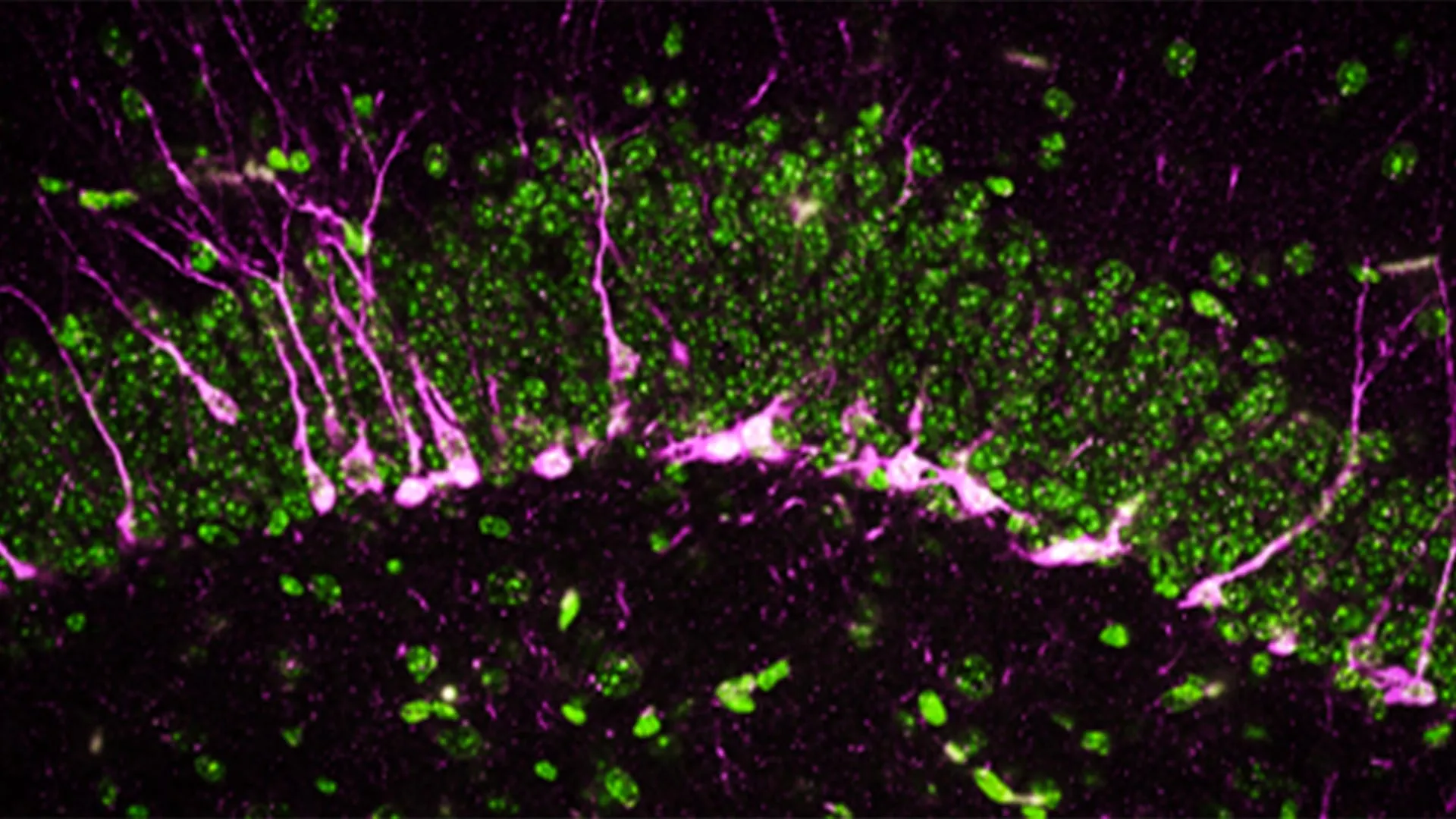
Researchers at Johns Hopkins Medicine have unveiled a promising new avenue in the fight against Alzheimer’s disease, fueled by a recently funded study from the National Institutes of Health (NIH). This groundbreaking work centers on a specific protein within the brain, known for its role in generating a seemingly minor, yet critically important, gas. This gas, hydrogen sulfide, long associated with an unpleasant odor, is now being recognized for its profound influence on cognitive function and its potential to shield brain cells from the ravages of neurodegenerative conditions. The findings, which originate from rigorous experiments conducted on genetically engineered mice, were led by Dr. Bindu Paul, an associate professor of pharmacology, psychiatry, and neuroscience at the Johns Hopkins University School of Medicine.
The Unlikely Guardian: Cystathionine γ-lyase and Hydrogen Sulfide
The protein at the heart of this research is Cystathionine γ-lyase, or CSE. While commonly known for its ability to produce hydrogen sulfide – the compound responsible for the characteristic smell of rotten eggs – CSE appears to play a far more significant role in the intricate processes of memory formation. Dr. Paul’s team has meticulously documented how the absence of this protein leads to demonstrable impairments in learning and memory in their animal models. This revelation opens up a critical dialogue about how a substance once dismissed as a mere byproduct can be a vital component of healthy brain function.
The research, meticulously detailed in the prestigious journal Proceedings of the National Academy of Sciences, aims to unravel the complex mechanisms by which CSE operates. The ultimate goal is to determine whether enhancing its activity could offer a protective shield for brain cells, thereby slowing the progression of devastating neurodegenerative diseases like Alzheimer’s. Alzheimer’s disease, a progressive and irreversible brain disorder, currently affects an estimated 6.7 million Americans over the age of 65, according to the Alzheimer’s Association, with this number projected to rise significantly in the coming decades. The lack of consistently effective treatments that halt or reverse its course underscores the urgent need for innovative therapeutic strategies, making this research particularly timely and significant.
Hydrogen Sulfide: A Delicate Balance for Neuronal Health
Prior scientific investigations had hinted at the neuroprotective capabilities of hydrogen sulfide in mice. However, a significant hurdle has always been the gas’s inherent toxicity at higher concentrations, rendering direct delivery to the brain a hazardous proposition. This inherent danger has shifted the scientific focus from direct administration to understanding how to safely maintain the extremely low, yet vital, levels of hydrogen sulfide naturally present within neurons. The current study by Dr. Paul’s team directly addresses this challenge by illuminating the role of CSE in regulating these critical levels.
The new findings provide compelling evidence: mice engineered to be deficient in the CSE enzyme exhibited marked difficulties with memory and learning. Furthermore, these mice displayed elevated levels of oxidative stress, a form of cellular damage linked to aging and disease; evidence of DNA damage, a precursor to cellular dysfunction; and a compromised integrity of the blood-brain barrier. These are all pathological hallmarks commonly observed in individuals suffering from Alzheimer’s disease, as highlighted by Dr. Paul, the study’s corresponding author. The blood-brain barrier, a highly selective semipermeable membrane that separates the circulating blood from the brain and extracellular fluid of the central nervous system, is crucial for protecting the brain from harmful substances. Its disruption in Alzheimer’s disease allows inflammatory molecules and toxic proteins to enter the brain, exacerbating neuronal damage.
A Legacy of Research Paves the Way
This latest work stands on the shoulders of years of dedicated research spearheaded by Dr. Solomon Snyder, a renowned professor emeritus of neuroscience, pharmacology, and psychiatry. His pioneering efforts have consistently pushed the boundaries of our understanding of brain function and disease. As far back as 2014, Dr. Snyder’s team published seminal findings in Nature, reporting that CSE played a crucial role in supporting brain health in mouse models of Huntington’s disease, another devastating neurodegenerative disorder. Their earlier experiments involved utilizing mice genetically engineered to lack the CSE protein, a strain first developed in 2008 when this protein was initially linked to the regulation of blood vessel function and blood pressure. This earlier work established a foundational understanding of CSE’s broader physiological roles beyond its gaseous byproduct.
More recently, in 2021, Dr. Snyder’s group observed that CSE was not functioning optimally in mice exhibiting Alzheimer’s-like pathology. Crucially, they found that even very small, carefully administered injections of hydrogen sulfide provided significant protection to brain function in these compromised animals. These prior studies, however, primarily focused on mice possessing additional genetic mutations specifically associated with neurodegenerative diseases. The current research distinguishes itself by isolating and meticulously examining the intrinsic role of CSE itself, independent of other disease-specific genetic factors.
"This most recent work indicates that CSE alone is a major player in cognitive function and could provide a new avenue for treatment pathways in Alzheimer’s disease," stated Dr. Snyder, who retired from the Johns Hopkins Medicine faculty in 2023, emphasizing the independent significance of these findings. His continued involvement as a co-corresponding author underscores the enduring impact of his contributions to the field.
Decoding Memory Loss: The CSE Deficiency Connection
To precisely elucidate how CSE influences memory, the scientists employed a comparative approach. They meticulously contrasted the cognitive performance of mice lacking the CSE protein with their genetically normal counterparts, utilizing the same mouse strain that was originally developed in 2008. A key experimental tool employed was the Barnes maze, a widely recognized test designed to assess spatial memory – the ability of an animal to remember directions and navigate its environment based on learned cues.
In this carefully controlled setup, mice are tasked with learning to escape a brightly lit arena by locating a hidden shelter. At the age of two months, both the normal mice and those lacking CSE demonstrated comparable proficiency, successfully finding the hidden escape route within a three-minute timeframe. However, a striking divergence emerged by six months of age. The CSE-deficient mice began to struggle significantly, exhibiting a marked decline in their ability to locate the escape route. In contrast, their normal littermates continued to perform with consistent success.
"The decline in spatial memory indicates a progressive onset of neurodegenerative disease that we can attribute to CSE loss," explained Dr. Suwarna Chakraborty, the study’s first author and a dedicated researcher in Dr. Paul’s laboratory. This progressive deterioration observed in the CSE-deficient mice serves as a powerful indicator of the protein’s essential role in maintaining cognitive health over time.
Brain Architecture Under Siege: Cellular Changes Mimicking Alzheimer’s
Beyond behavioral assessments, the researchers delved into the cellular underpinnings of these cognitive deficits, examining how the absence of CSE impacts brain structure and function at a microscopic level. The hippocampus, a brain region critically involved in learning and memory consolidation, is characterized by its continuous generation of new neurons, a process known as neurogenesis. Disruptions in this fundamental process are a well-established hallmark of numerous neurodegenerative diseases, including Alzheimer’s.
Employing a sophisticated array of biochemical and analytical methodologies, the research team observed a significant reduction or complete absence of key proteins essential for neurogenesis in the brains of mice lacking CSE. This molecular deficit directly explained the impaired ability of these mice to generate new brain cells, a crucial component of healthy cognitive function.
Further microscopic investigations, utilizing high-powered electron microscopes, revealed overt structural damage within the brains of these CSE-deficient mice. The scientists identified substantial breaks and disruptions in blood vessels, a clear indication of damage to the integrity of the blood-brain barrier. This finding is particularly significant as a compromised blood-brain barrier is another consistent feature observed in Alzheimer’s disease pathology. Moreover, the research indicated that newly formed neurons in these mice experienced considerable difficulty in migrating to the hippocampus, the very region where they are meant to integrate and contribute to memory formation.
"The mice lacking CSE were compromised at multiple levels, which correlated with symptoms that we see in Alzheimer’s disease," commented Dr. Sunil Jamuna Tripathi, a co-first author and researcher in Dr. Paul’s lab. This multi-faceted disruption, affecting everything from molecular signaling to gross anatomical structure, paints a grim picture of the consequences of CSE deficiency and highlights its profound connection to Alzheimer’s-like pathology.
Charting a Course for Novel Alzheimer’s Therapies
The implications of these findings are substantial, particularly given the immense public health burden of Alzheimer’s disease. As noted by the U.S. Centers for Disease Control and Prevention, Alzheimer’s disease affects over 6 million individuals in the United States, a figure that continues to escalate alarmingly with an aging global population. The current therapeutic landscape offers limited options, with no treatments consistently demonstrating the ability to halt or significantly slow the disease’s relentless progression.
The research team at Johns Hopkins Medicine posits that targeting CSE and, by extension, modulating its production of hydrogen sulfide, could represent a paradigm shift in Alzheimer’s treatment development. This approach offers a novel therapeutic strategy focused on protecting existing brain function and potentially mitigating the neurodegenerative cascade. By understanding and harnessing the protective capabilities of hydrogen sulfide at physiological levels, scientists may be able to develop interventions that can preserve cognitive abilities and improve the quality of life for millions affected by this debilitating disease.
The current study was made possible through substantial funding from the National Institutes of Health, with specific grants including 1R01AG071512, P50 DA044123, 1R21AG073684, O1AGs066707, U01 AG073323, AG077396, NS101967, NS133688, and P01CA236778. Additional crucial support was provided by the Department of Defense (HT94252310443), the American Heart Association, the AHA-Allen Initiative in Brain Health and Cognitive Impairment, the Solve ME/CFS Initiative, the Catalyst Award from Johns Hopkins University, the Valour Foundation, the Wick Foundation, the Department of Veterans Affairs Merit Award (I01BX005976), the Louis Stokes Cleveland Department of Medical Affairs Veterans Center, the Mary Alice Smith Funds for Neuropsychiatry Research, the Lincoln Neurotherapeutics Research Fund, the Gordon and Evie Safran Neuropsychiatry Fund, and the Leonard Krieger Fund of the Cleveland Foundation.
The collaborative nature of this research is further underscored by the extensive list of contributors. In addition to Drs. Paul, Snyder, Chakraborty, and Tripathi, the study included Richa Tyagi and Benjamin Orsburn from Johns Hopkins; Edwin Vázquez-Rosa, Kalyani Chaubey, Hisashi Fujioka, Emiko Miller, and Andrew Pieper from Case Western University; Thibaut Vignane and Milos Filipovic from the Leibniz Institute for Analytical Sciences in Germany; Sudarshana Sharma from Hollings Cancer Center; Bobby Thomas from Darby Children’s Research Institute and the Medical University of South Carolina; and Zachary Weil and Randy Nelson from West Virginia University School of Medicine. This multidisciplinary effort highlights the complex and collaborative landscape of modern biomedical research, bringing together diverse expertise to tackle a formidable global health challenge. The collective effort promises to accelerate the translation of these fundamental discoveries into tangible therapeutic benefits for patients.








