Layla Zulfa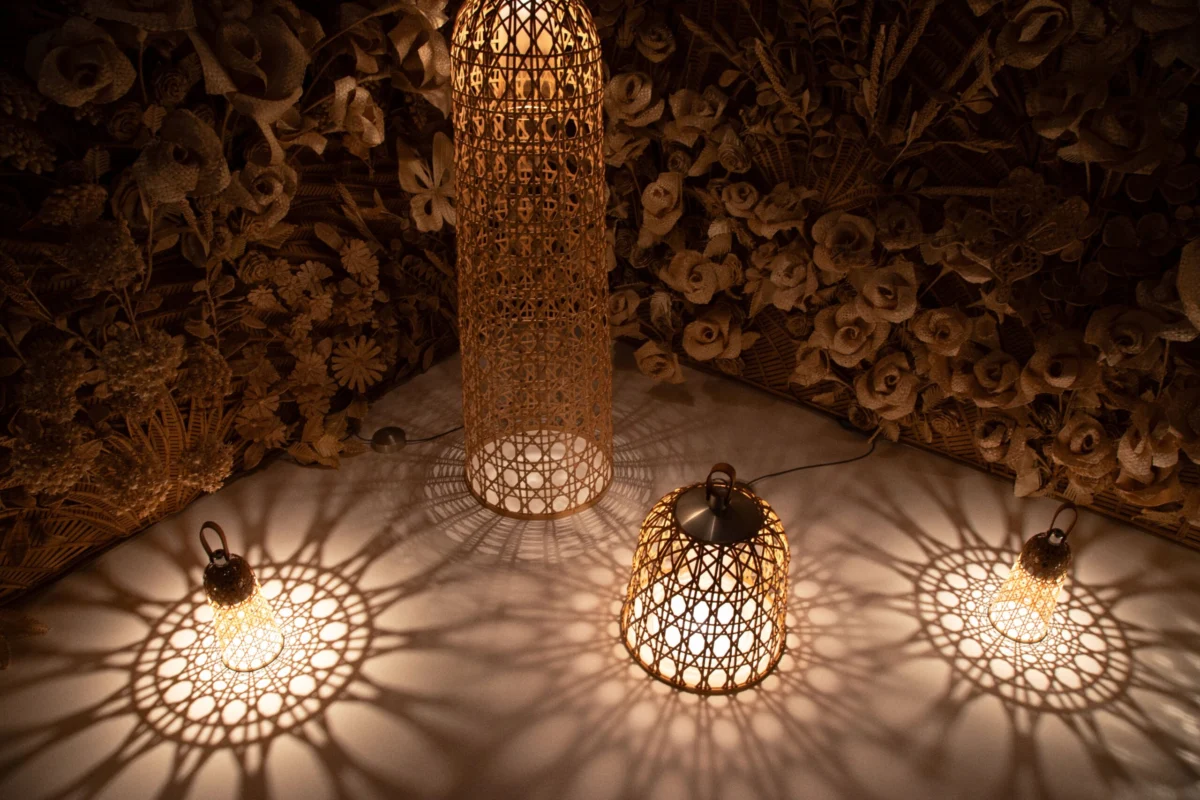
Milan Design Week 2026 has concluded, solidifying its status as the world’s premier confluence of furniture design, architectural innovation, and luxury lifestyle branding. This year’s iteration, encompassing both the Salone del Mobile fairgrounds and the city-wide Fuorisalone events, was characterized by a sophisticated blending of historical preservation and cutting-edge technology. Editorial observers from leading design institutions noted a distinct shift toward "private-public" exhibitions, where historic Milanese palazzos and apartments, often closed to the general public, were repurposed as immersive showrooms. The 2026 circuit also highlighted a resurgence of 1990s-inspired minimalism, an expansion of outdoor living as a primary residential focus, and a significant commitment to circular manufacturing processes.
.jpg)
Chronology and Strategic Kick-off of the 2026 Design Circuit
The event commenced on Sunday, April 19, 2026, with an immediate influx of international visitors at Malpensa Airport. Historically, Milan Design Week attracts over 300,000 attendees from more than 150 countries, and the 2026 figures are expected to align with these record-breaking metrics. The initial days of the fair were marked by unseasonably warm weather and high solar intensity, which facilitated a robust schedule of outdoor installations and garden-based previews.
For professional attendees, the strategy for navigating the dense itinerary involved balancing high-intensity fairground visits at Rho Fiera with the more curated, atmospheric experiences in the city’s historic center. The first 48 hours were dominated by previews in the Brera and Cinque Vie districts, where established brands and emerging designers alike leveraged the city’s architectural heritage to provide context for their new collections.

The Architectural Synthesis: Historic Palazzos as Modern Showrooms
One of the most significant trends observed in 2026 was the "private apartment" exhibition model. Dimorestudio, the AD100 design firm led by Britt Moran and Emiliano Salci, exemplified this by furnishing a private apartment within the Palazzo Olivazzi. The space, originally designed in 1947 by the renowned Italian architect Osvaldo Borsani, remains under the ownership of the original commissioning family.
The Dimorestudio installation, titled "Interni Venosta," utilized a "light touch" approach, integrating rectilinear sofas, lacquered wood tables, and polished steel vases into Borsani’s existing stone and wood interiors. This curation underscored a broader industry movement toward residential authenticity, where new products are displayed within lived-in environments rather than sterile gallery spaces. Observers noted that the bas-relief fireplace niche with carved seating became one of the most photographed architectural details of the week, signaling a renewed interest in mid-century Italian craftsmanship.

Urban Repurposing and the Intersection of Public Infrastructure
The 2026 circuit demonstrated a unique engagement with Milan’s public infrastructure. 6:AM Glassworks chose the Guido Romano Roman Pool in the Porta Romana neighborhood as the venue for their latest presentation. Following the success of their 2025 installation at Piscina Cozzi, the brand utilized the pool’s changing rooms and light-filled volumes to showcase new Murano glass works.
The exhibition, titled "OVER AND OVER AND OVER AND OVER," explored the concept of repetition in artisanal glassmaking. Key pieces included glistening architectural slabs, candy-striped sconces, and coat rails constructed from reclaimed glass. The centerpiece was a wall of blown glass cubes stacked on a steel structure, a design previously utilized as seating for a Bottega Veneta fashion show. This trend of utilizing functional public spaces—such as 1930s-era rationalist pools—highlights the design industry’s ability to find beauty in utilitarian urban environments.

Regional Highlights: The Artisanal Charm of Cinque Vie
The Cinque Vie district, known for its narrow medieval streets, remained a focal point for high-end artisanal craft. Osanna Visconti’s presentation combined her signature bronze creations with all-black vintage pieces sourced from Dimorestudio, creating a stark, high-contrast aesthetic. Nearby, the brand Arjumand transformed traditional textile display by installing a canopied bed beneath a dramatic tent, emphasizing a "transportive" and "divine" consumer experience.
Collaborations were also a major theme in this neighborhood. Laboratorio Paravicini, a purveyor of hand-decorated ceramics, partnered with silversmith Natalia Criado to produce a collection that departed from traditional prettiness in favor of a more experimental, "funky" aesthetic. These localized exhibitions demonstrate that while the Fiera focuses on mass-market scalability, the city center remains the laboratory for avant-garde experimentation.

The Convergence of Fashion and Furniture
The involvement of luxury fashion houses in Milan Design Week reached a new level of integration in 2026. The "home" is increasingly seen as a vital extension of a brand’s identity.
- Louis Vuitton: The brand showcased its latest "Objet Nomades" collection, featuring a substantial collaboration with the late decorator Pierre Legrain. The presentation focused on luxury textiles and high-concept furniture within a historic palazzo setting.
- Hermès: The French house emphasized tactile luxury through hammered metal pieces and blankets with a southwestern, "bohemian minimalist" flair.
- Loro Piana: The "Studies Chapter 1: On the Plaid" collection featured tapestry-like fabric panels, embroidered metals, and fine cashmere, positioning the textiles as art gallery-grade objects.
- Dior: In collaboration with Noé Duchaufour-Lawrance, Dior presented portable glass lamps. The scenography featured a large-scale rattan floral installation by Thai artists Korakot Aromdee and Vasana Saima, inspired by the Villa Les Rhumbs gardens.
- Ralph Lauren: The American brand hosted a dinner at its Milanese palazzo to debut the "Sterling Square" (Art Deco, urban lines) and "Saddlebrook" (floral jacquards, country finishes) collections.
Talent Scouting and Experimental Platforms: Alcova and Nilufar
For those seeking emerging talent, Alcova and Nilufar Gallery provided the most comprehensive overviews. Alcova 2026 utilized Franco Albini’s Villa Pestarini, a private residence from 1939, as a primary venue. This choice allowed designers to engage in a direct dialogue with Rationalist architecture.

Key emerging designers highlighted included Kiki Goti, who presented marble furniture alongside Saridis of Athens, and Sophie Dries, who collaborated with Issé. In the district of Loreto, Sophie Lou Jacobsen’s "Disco Aperitivo" collection celebrated the "golden age of clubbing" through bejeweled glassware and enameled copper plates, suggesting a shift toward more playful, social-centric design.
Nilufar’s "La Casa Magica," curated by Valentina Ciuffi, explored spirituality and rituals. The exhibition featured a mix of "witchy, techy, and folk art" influences, including paper pulp sculptures by Davide Monaldi and delicate glass fixtures by Anita Morvillo. This curated approach caters to the growing "collectible design" market, which seeks unique, narrative-driven pieces over mass-produced furniture.

Technological Innovation and Sustainable Systems
Sustainability was not merely a buzzword in 2026 but a core engineering requirement. Kohler’s collaboration with Flamingo Estate resulted in the "Reverie" freestanding tub, constructed from over 80% recycled materials. The installation at the Padiglione d’Arte Contemporanea integrated pollinator baths, emphasizing the link between luxury bathware and environmental stewardship.
In the EuroCucina section of the Fiera, Fisher & Paykel unveiled the "Nature–Ritual" showcase. The exhibit utilized hand-carved Tōtara wood and volcanic basalt to frame high-efficiency appliances. The focus was on "turning routines into rituals," with technology such as dual-temperature zone refrigeration and fabric care closets designed to minimize energy consumption while maximizing product longevity.

Market Analysis: The Resurgence of the ’90s and Outdoor Living
A definitive aesthetic trend observed at Minotti was the return of ’90s sleek minimalism. Low-slung leather sofas, chrome accents, and lacquered wood finishes evoked a sense of "nouveau-classic" sophistication. This nostalgia for the late 20th century reflects a market desire for clean lines and "quiet luxury" in a post-maximalist era.
Furthermore, the "outdoor living room" has become a permanent fixture in the luxury market. Brands like Roche Bobois, Miele, and Molteni presented expansive systems designed to withstand the elements while providing the comfort of interior spaces. Antolini’s collaboration with Bang & Olufsen produced the "Beosound Haven," a sculptural outdoor speaker made of natural stone, signaling that high-end acoustics and surfaces are now essential components of landscape design.

Broader Impact and Industry Implications
The success of Milan Design Week 2026 underscores the resilience of the physical exhibition model in an increasingly digital world. The event serves as a critical economic engine for Northern Italy and a vital networking hub for the global design community.
Industry analysts suggest that the 2026 trends point toward a future where the boundaries between art, fashion, and furniture are permanently blurred. The move toward sustainable materials and the repurposing of historic architecture reflects a broader cultural shift toward "conscious luxury." As the fair concludes, the global design market looks toward a year defined by these principles: a respect for the past, a commitment to the planet, and an unwavering focus on the ritual of living.