Layla Zulfa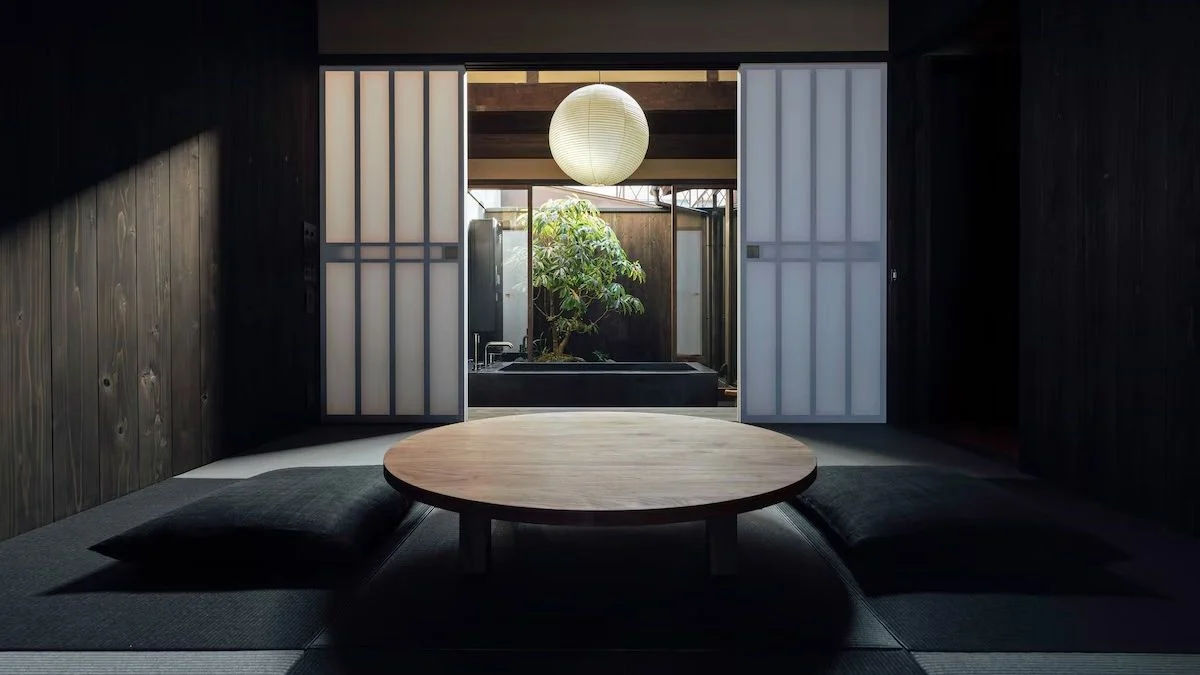
Kyoto remains a cornerstone of Japanese identity, functioning as the nation’s cultural and spiritual center for over a millennium. As international travel to Japan reaches record-breaking levels in the post-pandemic era, the city’s hospitality sector is undergoing a significant transformation. While traditional ryokans and luxury hotels have long dominated the landscape, a new tier of high-design short-term rentals is emerging. These properties, often renovated from historic "machiya" (traditional wooden townhouses), offer a synthesis of ancient aesthetics and contemporary luxury. By prioritizing architectural preservation alongside modern amenities, these Airbnbs provide travelers with an immersive local experience that a standard hotel suite cannot replicate. This shift reflects a broader trend in global tourism toward "slow travel" and cultural authenticity, where the accommodation itself becomes a primary component of the journey.
The Evolution of the Kyoto Machiya and the Regulatory Landscape
To understand the significance of these design-forward stays, one must look at the history of the machiya. These structures served as the homes and workspaces of Kyoto’s merchant and artisan classes for centuries. Characterized by narrow facades and deep interior layouts—earning them the nickname "unagi no nedoko" or "eel’s beds"—machiyas were designed to navigate the tax laws of the Edo period, which were often based on street frontage. However, the maintenance of these wooden buildings is notoriously difficult, and many were demolished in the late 20th century to make way for modern apartment blocks.
The preservation movement gained momentum in the early 2000s as local residents and architects recognized the loss of the city’s historic fabric. This coincided with the 2018 implementation of Japan’s Private Lodging Business Act, known as the Minpaku Law. This legislation was designed to regulate the burgeoning short-term rental market, requiring hosts to register their properties and adhere to strict safety and fire codes. While the law initially led to a decrease in available listings, it ultimately filtered the market, paving the way for professionalized, high-quality stays that respect the architectural integrity of Kyoto’s neighborhoods.
Architectural Preservation Meets Modern Luxury: Featured Properties
The current market for Kyoto Airbnbs is defined by a commitment to "wabi-sabi"—the Japanese aesthetic of finding beauty in imperfection and transience—integrated with high-end functionalism. Several properties across the city’s historic districts exemplify this balance.
The Obune House and the Art of Kurotani Paper
Located near the Kiyomizu Gozo Station, the Obune House is a prime example of how local craftsmanship can be integrated into modern hospitality. The property features extensive use of Kurotani Japanese paper, a craft with an 800-year history. A local artist was commissioned to fashion this traditional material into sliding doors and fixtures, softening the interior light. The architectural highlight is an integrated open-air bath set within a private courtyard garden. This feature, known as a rotenburo, allows guests to engage in the traditional Japanese ritual of bathing while remaining connected to the outdoor environment. Priced from approximately $611 per night, the home balances the density of its two-bedroom layout with a spacious communal kitchen and living area, catering to families seeking a central hub.
The Dream Machiya Villa: A Study in Spatial Depth
In the vicinity of Kyoto Station, the Dream Machiya Villa showcases the traditional wood-beam architecture that defines the city’s heritage. This two-story structure is notable for its three distinct courtyards, which serve as "lungs" for the house, providing natural light and ventilation to the deep interior. The design incorporates tatami rooms—floored with traditional rush mats—that offer flexible living spaces. Despite its historic bones, the villa includes a sleek, modern kitchen and a hot tub, reflecting the demands of the contemporary high-end traveler. With a capacity for up to nine guests and a nightly rate starting at $931, it represents the premium end of the communal rental market.
Maana Homes and the Minimalist Aesthetic
The Maana Home collection, including properties in Kiyomizu and Higashiyama-ku, represents a more curated, minimalist approach to the machiya renovation. The Luxury Maana Kiyomizu Home, starting at $852 per night, utilizes slipcovered linen furniture, earthenware ceramics, and oversized washi paper lanterns to create a serene, monochromatic environment. The Higashiyama-ku location offers a similar atmosphere but on a larger scale, accommodating up to five guests. These properties often feature interior gardens that act as focal points for meditation and tea ceremonies. The inclusion of on-site cafes and Aesop toiletries further aligns these rentals with the boutique hotel experience, targeting a demographic that values aesthetic cohesion.
Data and Economic Impact of Kyoto’s Tourism Sector
The rise of high-end Airbnbs is supported by robust tourism data. According to reports from the Kyoto City Tourism Association, the city saw a dramatic resurgence in international visitors throughout 2023 and 2024. In particular, there has been a notable increase in "high-value" tourists—those who stay longer and spend more on authentic cultural experiences.
Statistical analysis shows that visitors opting for private home rentals in Kyoto spend approximately 25% more in local neighborhood businesses, such as small grocery stores and independent cafes, compared to those staying in large-scale hotels in the city’s commercial core. This decentralization of tourist spending is a key objective for municipal planners who are attempting to mitigate the effects of "over-tourism" in concentrated areas like the Gion district.
Challenges and Official Responses
The integration of short-term rentals into residential neighborhoods has not been without friction. Residents in historic districts have occasionally raised concerns regarding noise and the erosion of community privacy. In response, the Kyoto City Government has implemented some of the strictest regulations in Japan. For instance, in certain residential zones, minpaku operations are only permitted during the off-peak seasons to ensure that the primary character of the neighborhood remains residential.
Inferred statements from local tourism officials suggest a strategic pivot toward "quality over quantity." By encouraging the development of luxury machiya stays, the city aims to attract a demographic that is more likely to respect local customs and contribute to the preservation of the city’s architectural heritage. "The goal is to foster a symbiotic relationship where tourism funds the expensive restoration of our historic buildings," notes a conceptual analysis of the city’s 2030 tourism vision.
Chronology of Kyoto’s Modern Tourism Development
- 1994: Kyoto’s historic monuments are designated as a UNESCO World Heritage site, sparking a global interest in the city’s preservation.
- 2003: The "Visit Japan" campaign is launched, setting the stage for a decade of rapid tourism growth.
- 2014-2016: Kyoto is repeatedly voted the "World’s Best City" by major travel publications, leading to a surge in hotel development.
- 2018: The Private Lodging Business Act (Minpaku Law) takes effect, formalizing the Airbnb market and requiring strict licensing.
- 2020-2022: The COVID-19 pandemic halts international travel, forcing many rental operators to pivot to long-term stays or undergo extensive renovations.
- 2023-Present: The market re-opens with a focus on high-design, luxury renovations, catering to a new wave of affluent international travelers.
Broader Implications for the Future of Urban Travel
The success of Kyoto’s design-forward Airbnbs offers a blueprint for other historic cities worldwide. It demonstrates that private-sector hospitality can play a vital role in urban conservation. When a 100-year-old machiya is converted into a luxury rental, it is often saved from the threat of demolition, and its original craftsmanship is showcased to a global audience.
Furthermore, these stays are redefining the "local" experience. By providing amenities like dedicated workspaces and full kitchens, properties such as the Kinkaku-ji Town House (priced from $315 per night) cater to the growing "digital nomad" and "bleisure" (business and leisure) segments. These travelers stay for weeks rather than days, integrating more deeply into the fabric of the city.
In conclusion, the best Airbnbs in Kyoto are more than mere places to sleep; they are functional museums of Japanese design. As the city continues to navigate the complexities of being a global tourist magnet, these high-concept stays provide a sustainable path forward. They honor the past through meticulous renovation while embracing the future through modern luxury, ensuring that Kyoto remains not just a relic of history, but a living, breathing heart of Japanese culture.