
 Ana Megawati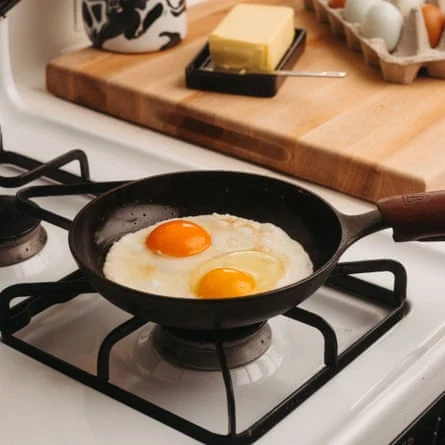
The modern kitchen, once a sanctuary of culinary creation, has increasingly become a battleground of environmental and health concerns, with microplastics infiltrating our cutting boards and "forever chemicals" (per- and polyfluoroalkyl substances, or PFAS) lurking in our pans. This pervasive contamination has transformed the simple act of preparing a meal into a source of considerable apprehension for many consumers. The escalating awareness stems from a confluence of scientific discovery, heightened media attention, and proactive regulatory responses, prompting a re-evaluation of everyday kitchen essentials.
The Silent Invasion: Microplastics in Our Food System

Microplastics, defined as plastic particles smaller than 5 millimeters, are ubiquitous in our environment, from the deepest oceans to the highest mountains. Their presence in the kitchen, particularly originating from plastic cutting boards, represents a direct pathway into our food. Studies have indicated that chopping on plastic surfaces can release millions of microscopic plastic particles over time, which can then adhere to food and be ingested. These particles are not merely inert; research has begun to unravel the potential health implications of microplastic ingestion. The concerns range from physical irritation and inflammation in the digestive tract to the potential for these particles to carry adsorbed toxins, acting as vectors for harmful chemicals into the body. While the long-term health effects on humans are still under extensive investigation, initial studies suggest links to cellular damage, oxidative stress, and disruption of the gut microbiome.
The timeline of microplastic awareness has accelerated dramatically in recent years. While plastic pollution has been a known environmental issue for decades, the specific threat of microplastics gained significant traction in the early 21st century with pioneering research highlighting their widespread distribution. In the kitchen context, concerns about microplastic shedding from various utensils and storage containers have intensified as detection methods improve and public understanding grows. The recent classification by the Environmental Protection Agency (EPA) of microplastics as drinking water contaminants marks a pivotal moment, signaling official recognition of their pervasive threat and laying the groundwork for future monitoring and regulation. This move underscores the urgency with which environmental and health agencies are now approaching this invisible contaminant.
The Enduring Threat: PFAS, the "Forever Chemicals"
Equally, if not more, alarming is the widespread presence of PFAS, often dubbed "forever chemicals" due to their extraordinary persistence in the environment and human body. These synthetic compounds, first developed in the 1930s, gained prominence for their unique properties, including water and oil repellency, heat resistance, and non-stick capabilities. Consequently, they became integral to numerous consumer products, most notably non-stick cookware, stain-resistant fabrics, waterproof apparel, and food packaging. For decades, the convenience offered by PFAS-coated pans made them a kitchen staple.
However, the scientific community has increasingly linked exposure to certain PFAS to a spectrum of adverse health outcomes. These include increased cholesterol levels, liver damage, thyroid disease, reduced fertility, developmental effects in children, and an elevated risk of certain cancers, such as kidney and testicular cancer. The insidious nature of PFAS lies in their ability to accumulate in the human body over time and their extremely slow degradation rate, leading to their "forever" moniker. A significant chronology of events marks the unfolding crisis: from initial corporate secrecy and environmental contamination revelations in the late 20th century to major lawsuits and voluntary phase-outs of specific compounds like PFOA (perfluorooctanoic acid) and PFOS (perfluorooctane sulfonic acid) by the early 2000s. Despite these actions, newer generation PFAS compounds have emerged, and the widespread contamination of soil, water, and air continues to pose a global challenge.
Regulatory Actions and Public Awareness Campaigns
The growing body of research detailing the dangers of microplastics and PFAS has spurred significant regulatory attention and public discourse. The EPA’s classification of microplastics as drinking water contaminants, as announced in April 2026, is a crucial step. This classification initiates a process for the EPA to investigate the occurrence of microplastics in public water systems, assess their health risks, and potentially set national primary drinking water regulations, including maximum contaminant levels (MCLs). For PFAS, the EPA has been aggressively working on establishing national drinking water standards, proposing stringent MCLs for several PFAS compounds, and designating them as hazardous substances under the Superfund law. These actions reflect a global trend, with many countries and regions, including the European Union, implementing stricter regulations on PFAS manufacturing and use, and exploring measures to mitigate microplastic pollution.
Beyond regulatory bodies, media and popular culture have played a vital role in amplifying public awareness. Documentaries like Netflix’s "The Plastic Detox," which premiered in March 2026, have brought these complex scientific issues into mainstream consciousness. Such productions, while sometimes employing alarmist tones to capture attention, effectively highlight the ubiquity of these contaminants and empower viewers to seek healthier alternatives. Consumer advocacy groups have also been instrumental, campaigning for transparent labeling, advocating for safer product standards, and providing resources for individuals to make informed choices.
Empowering Consumers: The Path to a Detoxified Kitchen
Amidst these unsettling revelations, the overarching message from experts and consumer guides is not one of panic, but of empowerment through informed action. The goal is not to discard every item in your kitchen in a single sweep, but to embark on a gradual, mindful transition towards safer, more sustainable alternatives. Small, deliberate swaps can significantly reduce daily exposure to microplastics and PFAS, transforming your kitchen into a healthier environment for food preparation.
Recognizing this need, consumer platforms like The Filter, The Guardian’s dedicated guide to vetted products, have invested considerable resources into identifying and testing kitchen tools free from these harmful substances. Their rigorous evaluation process involves comprehensive laboratory testing, expert consultations, and real-world user assessments to ensure that recommended products meet stringent safety and performance criteria. The Filter’s commitment is to help consumers navigate the complex marketplace, offering trusted recommendations for items that are not only safe but also durable and effective.
Below are six exemplary plastic-free kitchen upgrades, meticulously tested and endorsed by The Filter, designed to help you safely prep, cook, store, and clean:
The Best Non-Toxic Pan: Our Place Titanium Always Pan Pro
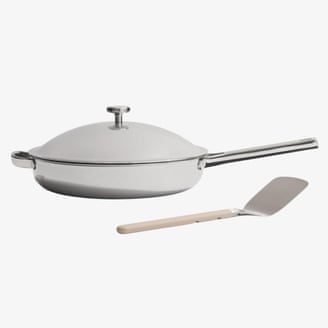
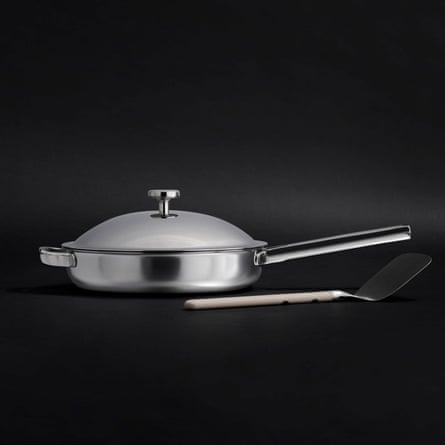
In the quest for non-toxic cookware, the Our Place Titanium Always Pan Pro stands out as a groundbreaking innovation. Drexel Food Lab professionals, tasked with evaluating 13 pans from seven leading cookware brands for their freedom from PFAS and other "forever chemicals," crowned this pan as the best overall. Traditional non-stick pans often rely on fluoropolymer coatings that degrade at high temperatures, releasing potentially harmful fumes and particles. These coatings typically have a maximum safe operating temperature of around 500°F (260°C). The Our Place Titanium Always Pan Pro, however, revolutionizes this by being "the first non-stick without a coating," as the brand asserts. It utilizes patented technology that creates a naturally non-stick, textured titanium surface capable of withstanding temperatures up to 1,000°F (538°C). This eliminates the common anxiety associated with accidentally overheating a non-stick pan.
During Drexel’s rigorous testing, the pan demonstrated rapid and even heating, ensuring consistent cooking results. Eggs effortlessly slid off its surface, and proteins seared uniformly, a testament to its superior non-stick properties despite the textured design. Furthermore, a significant advantage for busy households is its dishwasher-safe nature, a rarity for many non-stick options. Priced at $179, often available for $129 on platforms like Amazon, this pan represents a durable, high-performance, and genuinely non-toxic alternative to conventional non-stick cookware. Its robust titanium construction also promises exceptional longevity, making it a worthwhile investment for health-conscious cooks.
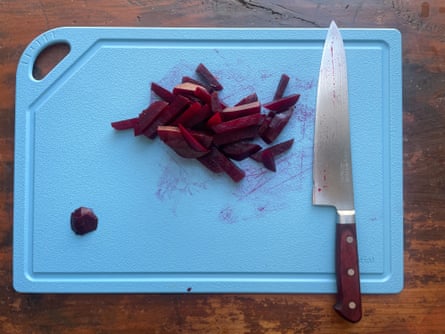
The Best Microplastic-Free Cutting Board: Material Kitchen MK Free Board
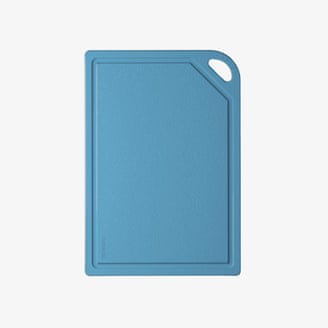
Plastic cutting boards have long been a staple in kitchens due to their affordability and lightweight nature. However, the abrasive action of knives on these surfaces is a significant source of microplastic shedding, directly contaminating food. The Material Kitchen MK Free Board offers an ingenious solution by utilizing a plant-based bioplastic, a material technically still a plastic but derived from renewable biological sources rather than petroleum. This innovative composition means it delivers the familiar lightweight, durable, and easy-to-clean attributes of traditional plastic boards without the associated microplastic risk.
Food writer Marian Bull, in her comprehensive testing of microplastic-free cutting boards, found the MK Free Board particularly adept for preparing raw meat. Its slim profile and light weight made it as convenient to grab as a spatula, streamlining the cooking process. Cleanup was described as "a breeze," and crucially, the board did not retain odors, a common problem with some conventional plastic or even wooden boards. The integrated small juice groove proved effective in containing liquids, preventing spills during tasks like carving a whole chicken. This board, available for $48, offers an eco-conscious and practical upgrade for everyday food preparation, mitigating microplastic exposure while maintaining high functionality.
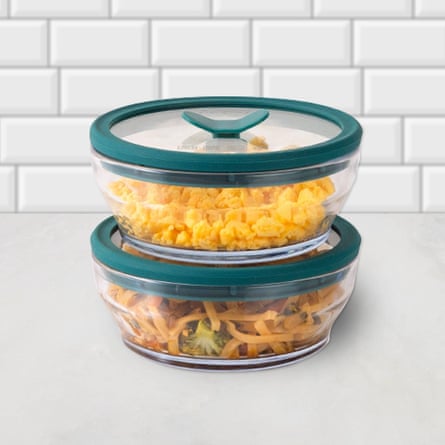
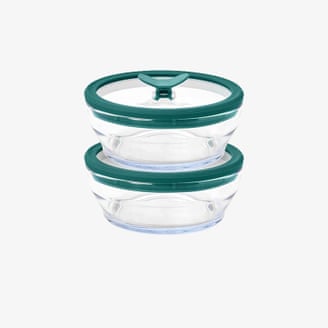
The Best Plastic-Free Food Storage Containers: Anyday Glass Dishes
Effective and safe food storage is a cornerstone of a healthy kitchen, yet many conventional plastic containers pose risks of chemical leaching, especially when heated. Anyday Glass Dishes offer a robust and versatile plastic-free alternative, praised by food writer Emily Farris as "a gamechanger for storing and reheating leftovers." Made from thick, durable glass, these containers are inherently inert, ensuring no chemicals leach into your food. Their resilience allows them to transition seamlessly from the fridge or freezer to the microwave, oven, or even an air fryer, withstanding temperatures up to 500°F (260°C).
A standout feature is their innovative design, which allows them to double as cookware. Equipped with vented lids, these dishes facilitate steaming and reheating food directly within the container, significantly reducing the need for additional pots and pans and, consequently, cutting down on dishwashing. Farris also highlighted their leak-proof design, providing peace of mind even when packing liquid-rich foods like soup for a child’s school lunch. This combination of safety, versatility, and convenience, available from $39.99 for a two-cup round dish multipack, makes Anyday Glass Dishes an indispensable tool for minimizing food waste and simplifying meal management in a plastic-free kitchen.
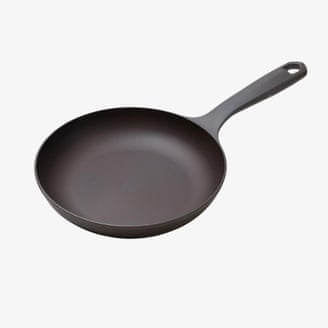
The Best Cast Iron Pan: Field Company No 5 Chef Skillet
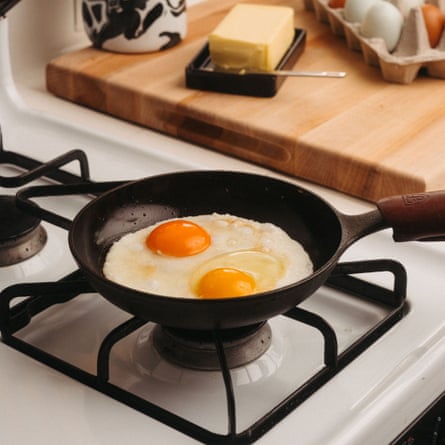
Cast iron has long been celebrated for its natural non-stick properties (when properly seasoned), exceptional heat retention, and inherent non-toxicity, making it a timeless choice for a chemical-free kitchen. However, its traditional heft can be a barrier for many home cooks. The Field Company No 5 Chef Skillet addresses this common drawback, transforming the cast iron experience with a remarkably lightweight design. At just 2.2 lbs, this skillet challenges the perception of cast iron as an "arm-workout-inducing" piece of cookware.
The reviewer noted their initial surprise, wondering if the package was empty upon retrieval. Despite its lighter weight, it maintained all the benefits of cast iron. Its compact shape and subtly sloped sides are ingeniously designed for tasks like perfectly cooking and flipping eggs, which slid out effortlessly thanks to its natural, well-developed seasoning. Beyond eggs, the skillet proved versatile in tests, producing "mouth-watering chicken thighs, leafy greens and a fluffy Dutch pancake." This new iteration of a classic kitchen tool, priced at $125, makes the benefits of cast iron accessible to a broader audience, combining traditional non-toxicity and performance with modern ease of use.
Tawashi Scrub Brush
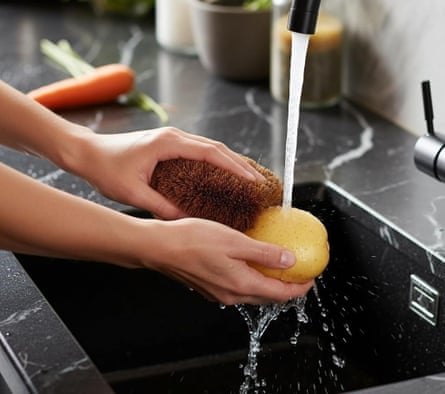
The choice of cleaning tools in the kitchen is often overlooked when considering plastic exposure, yet conventional plastic sponges and brushes can shed microplastics into wastewater and onto surfaces. The Tawashi Scrub Brush offers a simple yet highly effective natural alternative, rooted in a century-old Japanese tradition. This low-tech cleaning tool, crafted from natural coconut fibers, exemplifies durability and efficiency without contributing to plastic pollution.
Its bristles are designed to be sturdy enough to tackle the most stubborn residues and baked-on gunk from various cookware surfaces, including robust cast iron and delicate stainless steel, without causing damage. The reviewer attested to its exceptional longevity, noting that after over a year of constant use, even enduring dishwasher cycles, the brush showed minimal signs of wear. Beyond its durability, the Tawashi brush’s natural composition means it is biodegradable at the end of its lifecycle, presenting a truly sustainable option for kitchen cleanup. Available for $11.99 for a pack of three on Amazon, it is an affordable and environmentally responsible swap for maintaining a clean and chemical-free kitchen.

The Best Induction-Safe Pots and Pans: Caraway 12-Piece Ceramic Cookware Set With Complimentary Storage
For those embracing modern cooking technologies like induction stovetops, finding safe and efficient cookware is paramount. The Caraway 12-Piece Ceramic Cookware Set emerges as a top recommendation, having been rigorously tested among 10 leading induction-safe cookware sets by kitchen writer Bernadette Machard de Gramont. This set distinguishes itself not only by its induction compatibility but also by its ceramic coating, which is typically mineral-based and free from the questionable chemicals associated with traditional non-stick surfaces, including PFAS.
The Caraway set is designed for versatility without being overwhelming, comprising four essential pieces that cover most culinary needs, complete with matching lids and an ingenious, tidy storage system. Machard de Gramont lauded its performance across various cooking tasks, from searing to braising, noting its ability to heat quickly without overshooting and to maintain temperature evenly, providing a sense of controlled cooking. The pots and pans strike an ideal balance between substantiality and manageable weight, making them easy to maneuver in daily use. Their non-stick ceramic surfaces performed flawlessly with challenging foods like eggs, ensuring quick and effortless cleanup. Available from $445, often reduced from $675, this Caraway set, with its appealing "sage" color option, represents a significant upgrade for any kitchen aiming for both aesthetic appeal and uncompromising safety.
Broader Implications and Future Outlook
The journey towards a truly detoxified kitchen is part of a larger societal shift towards greater awareness of environmental health and sustainable living. The increasing consumer demand for products free from microplastics and "forever chemicals" is driving innovation across the manufacturing sector, prompting companies to invest in safer materials and more transparent production processes. This movement is not just about individual product choices but signifies a collective effort to mitigate the widespread presence of these persistent contaminants in our homes and ecosystems.
As scientific understanding deepens and regulatory frameworks evolve, the kitchen will continue to be a focal point for these discussions. The role of informed consumer guides, rigorous product testing, and educational initiatives will remain critical in empowering individuals to make choices that protect both their personal health and the planet. The transition to a kitchen free of ubiquitous toxins is an ongoing process, but with the availability of vetted, high-quality alternatives, it is a journey that every household can confidently undertake.








