Layla Zulfa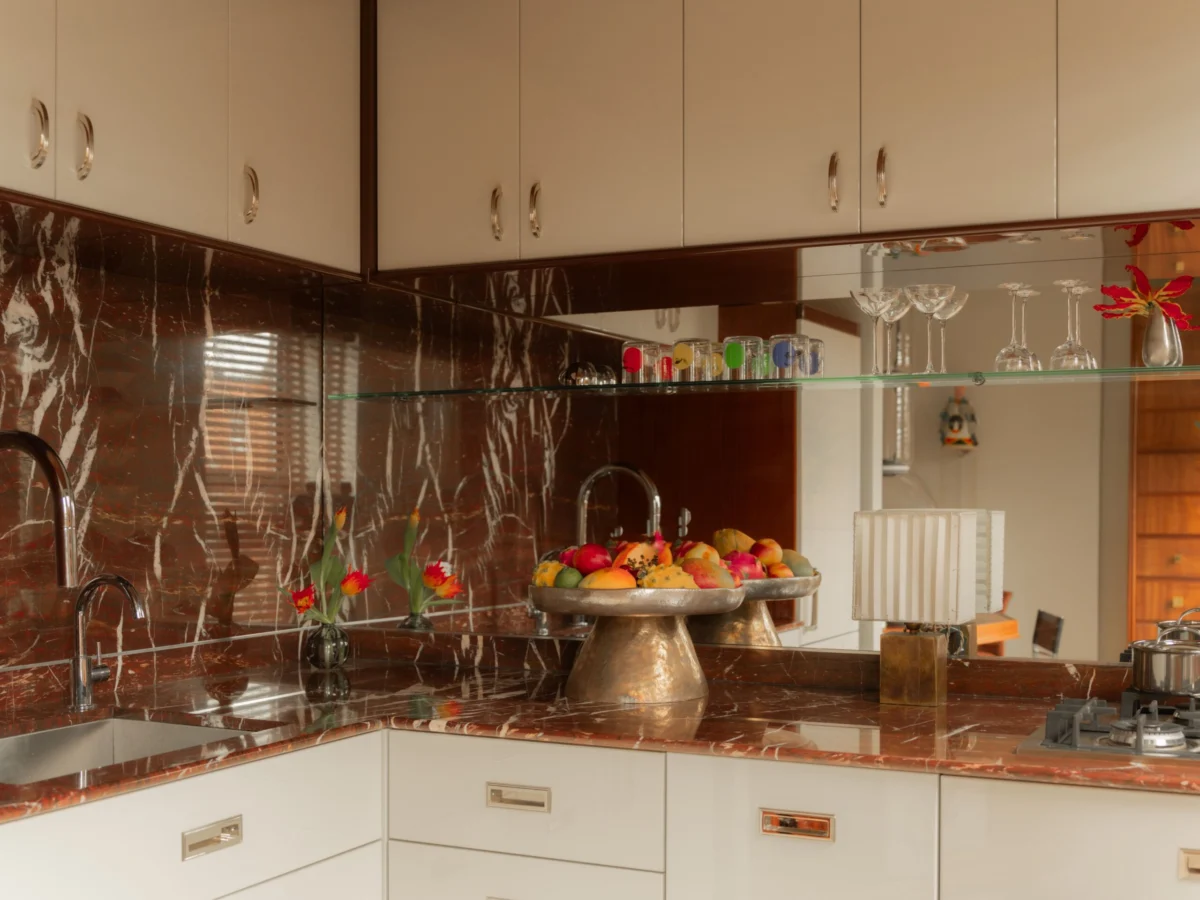
The residential kitchen is undergoing a fundamental transformation as 2026 approaches, defined by a dual movement toward monumental scale and sophisticated concealment. Industry experts and leading designers observe that the "heart of the home" is no longer just a site for food preparation but a high-performance hub that blends traditional craftsmanship with advanced automation. From workstation sinks extending over six feet to cabinetry that rotates on its own axis, the innovations of 2026 reflect a shift in consumer priorities toward entertaining, sustainability, and multifunctional living.
The Evolution of the Kitchen: From Utility to Multi-Functional Hub
The trajectory of kitchen design over the past decade has moved from the clinical minimalism of the 2010s toward a more textured, "lived-in" luxury. According to market data from the National Kitchen & Bath Association (NKBA), homeowners are increasingly investing in renovations that prioritize "connection" and "social flow." This shift is largely attributed to the post-pandemic realization that the kitchen must serve as a classroom, an office, and a social club simultaneously.

As 2026 nears, the design language is splitting into two distinct paths. On one hand, there is a push for "monumentalism"—oversized features like massive islands and expansive sinks that command attention. On the other, "invisible tech" is rising, where high-tech appliances and storage solutions are tucked away behind seamless panels to maintain a serene, clutter-free aesthetic.
Scaling Up the Cleanup Zone: The Rise of the Workstation Sink
One of the most significant physical changes in the 2026 kitchen is the expansion of the sink. Once a utilitarian basin for washing dishes, the sink has evolved into a comprehensive "workstation." Manufacturers are responding to the demand for larger entertaining spaces by introducing sinks of unprecedented length.
Kohler recently debuted the Synthos Workstation, a modular system of undermount basins and multi-level ledges that can extend up to six feet. This allows the sink to function as a buffet station, an ice trough for beverages, or a multi-person prep area during large gatherings. Michael Seum, Vice President of Industrial Design at Kohler, notes that as cooking and entertaining increasingly overlap, the sink must transition from a cleanup zone to a primary social anchor.

Other manufacturers are pushing these boundaries even further. Ohio-based Create Good Sinks has introduced 16-gauge stainless steel models reaching 74 inches, with an apron-front version measuring 84 inches. Elkay and Ruvati have similarly launched "supersinks" featuring integrated accessories such as colanders, cutting boards, and basket strainers. While these dimensions are less practical for urban apartments, they are becoming standard in high-end residential developments and "McMansions," where they also serve secondary functions like dog-washing stations.
A Departure from Minimalism: The Resurgence of Earthy Reds and Deep Stones
The "all-white" kitchen, which dominated the design world for nearly two decades, is officially being replaced by a moodier, more organic palette. The trend for 2026 favors deep, earthy hues—specifically reds, ochres, and terracottas—that provide warmth and a sense of permanence.
High-profile designers are leading this aesthetic pivot. Athena Calderone, known for her influential Brooklyn townhouse, recently chose a dusky red Kinnekulle limestone for her Manhattan apartment’s kitchen island. Similarly, designer Mark Grattan opted for Rouge Griotte marble for his countertops and backsplash. This move toward "warm maximalism" is supported by stone suppliers like ABC Stone, who report a surge in interest for Rosso Collemandina and Rosso Lavante.

Tina Ramchandani, a prominent New York-based designer, suggests that these earthy tones resonate because they connect the indoors with nature. "It’s a turn from the stark whites and cold grey-and-whites that have been so popular," Ramchandani says. "These stones feel dynamic and provide a tactile quality that clinical surfaces lack."
Ceramics Beyond the Backsplash: Tile Counters and Custom Hardware
Ceramic, one of the world’s oldest building materials, is seeing a resurgence in 2026 through innovative applications. Moving beyond the standard backsplash, ceramics are now appearing on countertops and as custom cabinet hardware.
A notable trendsetter in this space is Noz Nozawa, who is currently renovating her San Francisco kitchen with ceramic tile countertops—a move she describes as an homage to 1990s suburban aesthetics but updated with modern technology. Unlike the tile counters of the past, 2026 versions utilize advanced grout technology that is significantly more resistant to stains and bacteria.

Sustainability is a major driver of this trend. Tile can often be sourced locally, reducing the carbon footprint associated with quarrying and shipping large stone slabs from overseas. Brands like Fireclay and Heath are partnering with furniture makers like Artek to create ceramic-clad tables and surfaces. Furthermore, Nest Studio and ceramicist Jonathan Castro have expanded their collaborations to include handmade, ribbed ceramic hardware, offering a durable and colorful alternative to traditional metal pulls.
Innovation in Concealment: Rotating Cabinetry and Invisible Storage
As the kitchen becomes more integrated into the living area, the ability to hide "visual noise" has become a priority. The 2026 kitchen utilizes clever engineering to maximize storage while maintaining a minimalist facade.
German manufacturer Hettich has introduced "FurnSpin," a fitting that allows cabinets of any height to rotate 360 degrees on their own axis. This allows a kitchen island corner to transition from a closed, solid surface to an open shelving unit with a single motion.

In the luxury sector, Henrybuilt has developed the "Invisible Bar Block," a customizable cutlery and tool system tucked seamlessly into bar counters. Scott Hudson, CEO and founder of Henrybuilt, compares a good kitchen to a professional workshop, arguing that the best tools should be within arm’s reach but out of sight when not in use. This "stealth wealth" approach to design allows for high functionality without compromising the room’s architectural lines.
Advanced Hydration and the Evolution of Appliances
Technology in 2026 is becoming increasingly specialized, particularly in the realm of water delivery. The "beverage center" is moving from a separate fridge to the primary faucet.
Zip Water and Kohler have both launched multi-functional beverage systems. The Zip Water HydroTap and Kohler’s Aquifer 4-in-1 system can dispense chilled, boiling, or sparkling water from a single, filtered source. These systems are now offered in premium finishes like brushed brass and gunmetal to match high-end decor.

In the refrigeration sector, Whirlpool has addressed a specific consumer obsession: "nugget ice." Previously, pellet ice (popularized by fast-food chains) required a standalone countertop machine. For 2026, Whirlpool has integrated these dispensers directly into the doors of French-door refrigerators, marking a significant engineering milestone in residential appliance design.
The Social Kitchen: Integrated Study Zones and Family Workstations
The layout of the 2026 kitchen reflects a changing social dynamic where children and adults coexist in the same space for different purposes. Designers are increasingly asked to incorporate "study halls" or workstations adjacent to the kitchen.
Wendy Labrum, a Chicago-based designer, notes that clients are prioritizing connection over separation. "We’re often asked to incorporate small study areas or workstations adjacent to the kitchen," Labrum explains. Rebekah Zaveloff of Imparfait Design has taken this a step further by designing "kids’ offices" separated from the kitchen by glass doors, allowing for supervision without the noise of a busy household.

Sustainability and Circular Design: Built-in Composting Systems
With environmental regulations tightening globally, sustainability has moved from an optional feature to a structural requirement. In cities like New York, where composting is now mandated, designers are integrating waste management directly into the cabinetry.
PCD Studios designer Jordan Ross highlights systems that use heat and motion to transform food waste into usable soil overnight, all contained within a kitchen drawer. For those using countertop solutions, the "Composer One" garbage disposal has introduced a high-design approach to waste, featuring a "drain iris" that seals shut for near-silent operation and stylish finishes like forest green and bright orange.
Broader Impact and Market Implications
The trends for 2026 suggest a robust market for high-end kitchen renovations, even amidst economic fluctuations. According to industry analysis, the "monumental" kitchen trend is expected to drive up property values in the luxury sector, as these features are increasingly viewed as essential for modern entertaining.

Furthermore, the move toward local sourcing (ceramics) and energy-efficient appliances (advanced hydration systems) aligns with global ESG (Environmental, Social, and Governance) goals. As the kitchen continues to absorb the functions of other rooms, its role as the central nervous system of the home is only set to strengthen. The 2026 kitchen is not just a place to eat; it is a meticulously engineered environment designed for the complexities of modern life.