Reynand Wu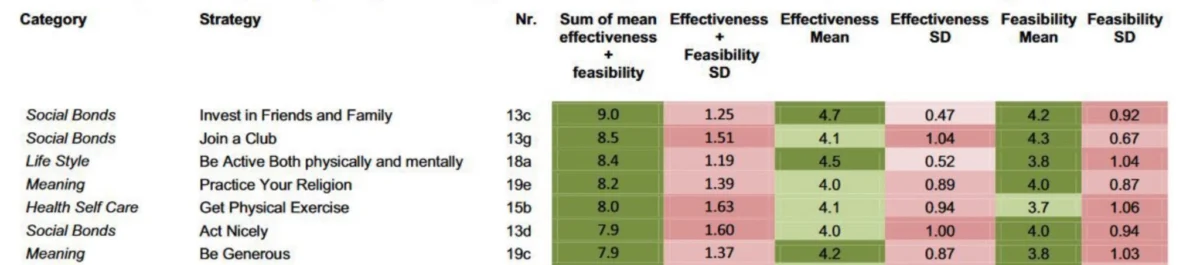
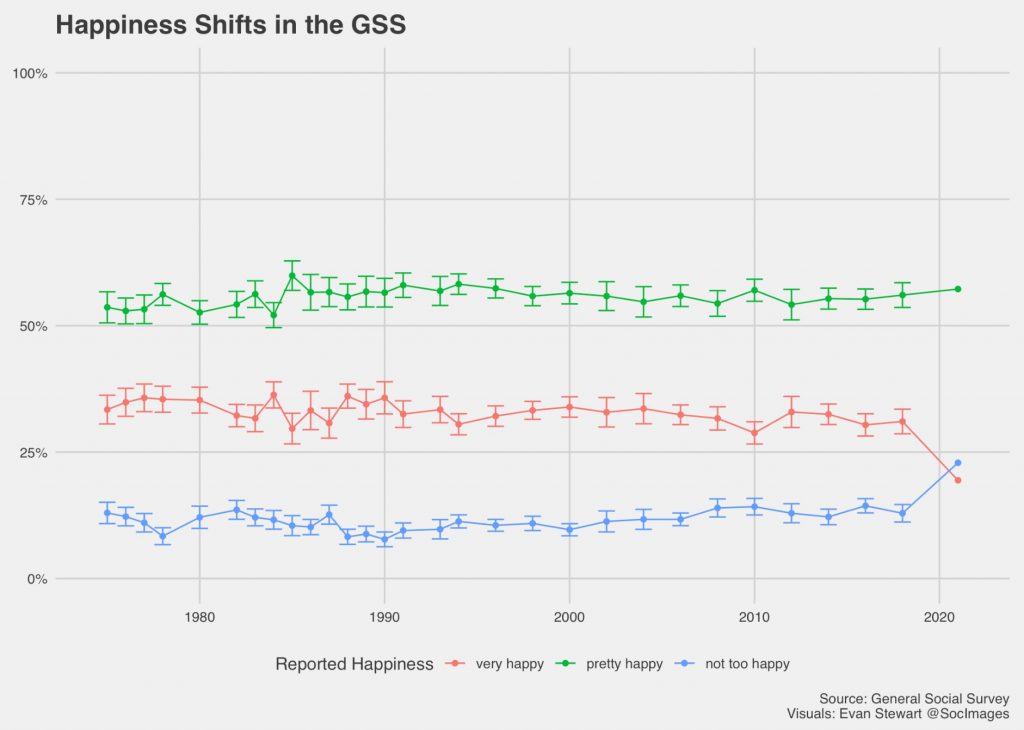
The dawn of a new year has brought with it not only a surge in COVID-19 cases across the nation but also a sobering continuation of a concerning trend: a significant decline in self-reported happiness among the populace. Data from the latest General Social Survey (GSS) reveals that the dip in national well-being, first observed early in the pandemic, has not abated, underscoring a deepening societal challenge that extends beyond the immediate health crisis. This sustained decline in perceived happiness necessitates a re-evaluation of how society approaches well-being, moving beyond individualistic self-help narratives to embrace collective and policy-driven solutions, with social relationships identified as a paramount factor.
The Unfolding Crisis of Well-being: A Post-Pandemic Reality
The General Social Survey: A Bellwether of National Mood
The General Social Survey, a highly respected sociological survey conducted by NORC at the University of Chicago, has consistently tracked societal trends, including self-reported happiness, since 1972. Its latest findings paint a stark picture: a notable decrease in the percentage of Americans identifying as "very happy" and a corresponding increase in those reporting themselves as "not too happy." While the GSS acknowledges that part of this recent shift could be influenced by a new online administration method, the consistency of this pattern with NORC’s previous pandemic tracking surveys lends significant weight to the conclusion that this is a genuine and persistent phenomenon. This data serves as a critical indicator, signaling a widespread psychological strain that has permeated American life over the past two years.
Tracing the Decline: A Chronology of Discontent
The initial drop in self-reported happiness coincided directly with the onset of the COVID-19 pandemic in early 2020, as the nation grappled with unprecedented lockdowns, economic uncertainty, and a pervasive sense of fear. Surveys from that period, such as those highlighted by The Society Pages, quickly identified this decline, marking an abrupt departure from pre-pandemic baselines. As the pandemic evolved through various waves – from the initial lockdowns to the Delta and Omicron surges – and as new challenges like supply chain disruptions, rising inflation, and escalating political polarization emerged, the opportunity for a rebound in collective happiness appears to have been stifled. The continuity of the GSS trend into the most recent data period suggests that the initial shock has transitioned into a more chronic state of diminished well-being, indicating that the underlying stressors have become embedded in the daily lives of many Americans. This sustained downturn stands in contrast to previous periods of national crisis, where resilience often led to quicker recovery in psychological metrics.
The Multifaceted Impact of the COVID-19 Era
Beyond the Virus: Economic and Social Stressors
The decline in national happiness cannot be solely attributed to the direct health impacts of the virus. The pandemic triggered a cascade of secondary effects that have profoundly influenced mental and emotional states. Economic instability, characterized by widespread job losses, business closures, and later, inflationary pressures, introduced significant financial anxiety for millions. Social isolation, enforced by public health measures, severed crucial interpersonal connections, leading to increased feelings of loneliness and a breakdown of community structures. The disruption of routines, the challenges of remote work and schooling, and the constant barrage of alarming news contributed to widespread burnout and chronic stress. Furthermore, the pandemic exacerbated pre-existing mental health challenges, with studies from the World Health Organization (WHO) and the Centers for Disease Control and Prevention (CDC) reporting significant increases in symptoms of anxiety, depression, and stress-related disorders across various demographic groups. For instance, a WHO scientific brief in March 2022 indicated a 25% global increase in the prevalence of anxiety and depression during the first year of the pandemic, with young people and women disproportionately affected.
A Global Perspective on Declining Well-being
The United States is not alone in experiencing a downturn in national well-being. The annual World Happiness Report, which ranks countries based on various indicators including social support, freedom, and healthy life expectancy, has also noted shifts in global happiness patterns. While some countries demonstrated remarkable resilience, the overall trend has been towards increased distress in many nations. Factors such as trust in government, perceived corruption, and the strength of social safety nets have been identified as crucial buffers against the pandemic’s psychological toll. This global context underscores that while specific national policies and cultural factors play a role, the overarching challenges of a global health crisis, economic disruption, and social fragmentation have presented a universal threat to human well-being. The consistent observation across diverse surveys and nations suggests a fundamental disruption to the social fabric and individual psychological states that transcends local specificities.
Expert Consensus: Rebuilding Happiness Through Social Connection
Amidst these challenging findings, a beacon of hope emerges from the field of happiness research. A recent study, which has garnered significant attention, particularly within academic circles and social media, offers crucial insights into potential pathways for enhancing life satisfaction. This research, published in the Journal of Happiness Studies by leading experts like Ed Diener, Shigehiro Oishi, and Louis Tay, systematically surveyed and interviewed experts in happiness and well-being to identify interventions most likely to improve life satisfaction based on current scientific understanding. The findings critically highlight the indispensable role of social relationships, not merely as a personal pursuit but as a collective societal imperative.
Unpacking the Research: A Deeper Dive into Expert Insights
The study employed a rigorous methodology, involving interviews and surveys with a panel of distinguished scholars in positive psychology and well-being research. These experts were asked to rank various personal and policy solutions based on their efficacy in boosting life satisfaction, drawing upon their extensive knowledge of the research literature. The high degree of consensus among these experts, indicated by low standard deviations in their ratings, lends significant credibility to the identified solutions. This collaborative approach moves beyond individual academic perspectives to synthesize a collective understanding of what truly matters for human well-being. The study’s design aimed to distill the "conventional wisdom" of the field, providing a practical guide for individuals and policymakers alike.
Beyond Individualism: The Power of Policy Solutions
One of the most striking aspects of the expert consensus study is its dual focus on both personal and policy-level interventions. Traditionally, the discourse around happiness often gravitates towards individual effort and the booming self-help industry, suggesting that well-being is primarily a matter of personal choice and internal mindset. However, the experts in this study unequivocally emphasized that individual happiness is deeply intertwined with collective well-being and structural factors. The inclusion of policy solutions signals a paradigm shift, recognizing that governmental and societal frameworks play a critical role in creating environments conducive to flourishing. This perspective aligns with sociological principles that underscore how macro-level forces shape individual experiences, challenging the notion that happiness is solely an individual responsibility. It calls for a societal commitment to fostering conditions that support well-being, rather than leaving individuals to navigate complex challenges in isolation.
The Primacy of Relationships: Friends, Family, and Community
Crucially, many of the top-ranked solutions identified by these experts, for both personal and policy interventions, revolved explicitly around social relationships. On a personal level, investing time and energy in friends and family, and actively joining clubs or community groups, were identified as highly effective strategies for enhancing life satisfaction. These recommendations underscore the fundamental human need for connection, belonging, and mutual support. From a policy standpoint, experts highlighted initiatives such as promoting voluntary work or civil service and actively working to reduce loneliness as key governmental priorities. The strong agreement among experts on the value of social bonds, evidenced by their high ratings and low variability, suggests that fostering robust social networks and mitigating social isolation are not merely beneficial but essential components of a comprehensive well-being strategy. This emphasis on relational aspects resonates deeply with decades of sociological and psychological research linking strong social ties to improved mental health, physical health, and overall life satisfaction.
The Sociological Imperative: Understanding and Fostering Social Capital
The Pervasive Threat of Loneliness: Data and Impact
The expert consensus on reducing loneliness as a policy priority is particularly pertinent given the rising rates of social isolation, even before the pandemic. Studies have consistently shown that loneliness is not just an unpleasant feeling but a significant public health concern, comparable in its health risks to smoking or obesity. Research from organizations like the AARP and national health surveys has revealed that a substantial percentage of adults, particularly younger generations and older adults, report feeling lonely. The pandemic further exacerbated this "loneliness epidemic," as physical distancing measures and the shift to virtual interactions reduced opportunities for meaningful in-person connection. Chronic loneliness has been linked to increased risks of depression, anxiety, cardiovascular disease, dementia, and premature mortality. Addressing loneliness through targeted policies and community initiatives therefore becomes a critical public health intervention, not merely a social nicety.
Social Capital as a Foundation for Resilience
The insights from the expert study reinforce core sociological concepts, particularly the idea of social capital. Coined by scholars like Robert Putnam, social capital refers to the networks of relationships among people who live and work in a particular society, enabling that society to function effectively. It encompasses elements like trust, reciprocity, and civic engagement. Strong social capital fosters resilience, both at individual and community levels, providing support systems during crises and promoting collective action. The decline in happiness observed in the GSS data can be partially understood as a depletion of social capital, where weakened social bonds leave individuals more vulnerable to stress and adversity. Investing in social relationships, whether through personal commitment or public policy, is therefore an investment in the very fabric of society, strengthening its capacity to navigate challenges and promote widespread well-being. This perspective elevates the discussion from individual psychological states to the health of the entire social ecosystem.
Charting a Path Forward: Implications for Policy and Society
The findings from the General Social Survey and the expert consensus study provide a clear mandate for action, suggesting that improving national well-being requires a multifaceted approach centered on strengthening social connections.
Public Health and Community Development
Integrating social well-being into public health strategies is paramount. This includes funding community-based programs that foster social interaction, such as senior centers, youth clubs, and volunteer initiatives. Urban planners can contribute by designing public spaces—parks, plazas, community centers—that are conducive to spontaneous interaction and collective gathering. Policies that support affordable housing and accessible transportation can also indirectly strengthen social ties by reducing geographical barriers to connection. Furthermore, public health campaigns can raise awareness about the importance of social connections for mental and physical health, de-stigmatizing loneliness and encouraging active participation in community life.
The Role of Institutions: Education and Workplace
Educational institutions have a vital role in cultivating social skills and fostering a sense of belonging from an early age. Implementing social-emotional learning curricula, promoting extracurricular activities, and creating inclusive school environments can equip students with the tools to build and maintain strong relationships. In the workplace, particularly in an era of increased remote and hybrid work, employers must prioritize strategies to combat isolation and foster a sense of community among employees. This can involve organizing team-building activities, creating virtual "water cooler" spaces, and ensuring managers are trained to support employee well-being beyond just productivity metrics. Policies that promote work-life balance can also free up time for individuals to invest in their personal relationships and community engagement.
Addressing Structural Barriers to Connection
It is also crucial to acknowledge and address the structural inequalities that impede social connection for certain populations. Economic disparities, racial segregation, and lack of access to safe public spaces can significantly limit opportunities for meaningful social interaction. Policy interventions must consider these systemic barriers, working to create more equitable access to resources and opportunities for social engagement across all demographics. This might include funding for community centers in underserved areas, initiatives to bridge digital divides that exacerbate isolation, and policies that promote diversity and inclusion in community organizations. The goal is to ensure that the benefits of strong social capital are accessible to everyone, not just a privileged few.
Conclusion: A Collective Endeavor for a Happier Future
The persistent decline in self-reported happiness, underscored by the latest General Social Survey data, presents a pressing challenge for society. While the pandemic undoubtedly catalyzed this trend, the underlying factors point to a deeper need for enhanced social connection. The expert consensus in happiness research provides a clear roadmap: investing in social relationships, both personally and through deliberate policy interventions, is not merely a feel-good aspiration but a scientifically supported imperative for improving life satisfaction. Moving beyond individualistic solutions, a collective endeavor is required—one that integrates insights from sociology, public health, urban planning, and education to build communities where strong social bonds are prioritized and nurtured. By recognizing that individual well-being is inextricably linked to collective well-being, society can embark on a more intentional path toward a happier, more resilient future for all.